

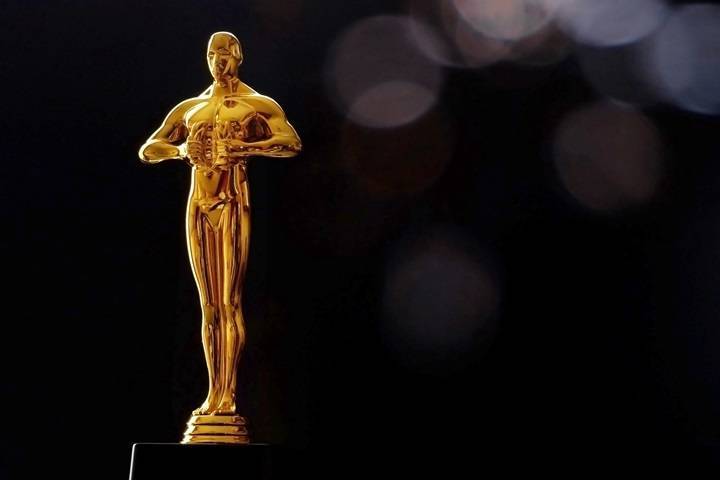
The Academy Award, otherwise known to the world by the sobriquet ‘Oscar,’ represents the broadest event ever observed in the industry of cinematography. Once every year, all those enormous stars and immense minds collect for one and single reason-to commemorate fantastic film creations where either thrilling action or art performances and narrating mesmerizes cinema fans in theaters across the world.
A Brief History of the Oscars
The first Academy Awards were held at the Hollywood Roosevelt Hotel on May 16, 1929. The Academy of Motion Picture Arts and Sciences organized the event, the purpose being a show recognizing excellence in the different aspects of filmmaking: acting, directing, screenwriting, and production.
From there, the Oscars have grown into an event watched by millions annually around the world, celebrating excellence in the best of cinema. The statuette itself-a gold-plated figure with a sword in hand standing atop a film reel-has become an artistic expression of the symbol of excellence and attainment the industry has to offer.
The Award Categories
The Oscars now boast 23 competitive categories, which recognize achievements in the following varied disciplines:
Best Picture: The award granted to producers for the outstanding film of the year.
Best Director: Recognition to outstanding achievement for directing and executing.
Best Actor/Actress: Recognition given to the year’s most riveting lead performances.
Best Supporting Actor/Actress: Recognizes the outstanding achievement for supporting performance.
Best Original Screenplay and Best Adapted Screenplay: From original pieces down to screenplays based on pre-existing material, great work in storytelling deserves to be in the limelight.
Technical Categories: Best in Cinematography, Best in Film Editing, Best in Visual Effects, among others.
Timeless Moments in Oscar History

First Best Picture Winner: Wings, a silent film, won the first-ever Best Picture Oscar in 1929.
Record-Breaking Wins: Titanic, 1997; Ben-Hur, 1959; and The Lord of the Rings: The Return of the King, 2003, have won 11 each on separate occasions, which is a record in the context of the most Oscars won by one film.
Diversity Milestones: In 1940, Hattie McDaniel became the first African American to take home an Oscar for her role in Gone with the Wind. Parasite, in 2019, became the first non-English language film to take Best Picture.
Memorable Speeches: Brando’s refusal of his Best Actor Oscar in 1973 to protest Native American treatment is one of the strongest moments in Oscar history.
The Significance of the Oscars
A bigger truth about the Oscars is that they are not just about an awards ceremony but a reflection of art and collaboration that keeps the engine of the film industry running. An Oscar potentially brings great change in an artist’s career, opening up more doors and making their work better known.
This is a time to acknowledge the changes in the thinking of societies and their cultures. Discussions on diversity and inclusion swirl around as it makes representative voices available on this platform for all kinds of art to be shared regarding calling out awareness of their cause.
Selection of Winners
The members include over 10,000 professional members in the different fields of movies within the academy. Voting for the nominees is selected by the members in the different branches then all the members of the Academy vote to the Best Picture Category.
Members vote for each nomination, considering artistic and technical merits, as well as overall storytelling, to make sure winners are indeed those who have made outstanding achievements in the field of cinema.
Fun Facts About the Oscars
Longest Ceremony: The longest-running Oscar ceremony was held in 2002 and topped more than 4 hours in length.
Youngest Winner: Best Supporting Actress Tatum O’Neal, 10 years old, Paper Moon, 1973.
Most Awards by an Individual: Walt Disney, with 22 competitive Oscars besides 4 honorary awards.
Record Nominations: Meryl Streep, with 21 acting nominations and three wins.
Frequently Asked Questions About the Oscars
When are the Oscars held?
The Oscars are usually held in late February or early March every year.
Who hosts the Oscars?
The ceremony is also hosted by one celebrity or comedian, though there are cases when a year had multiple hosts and even when no one hosted it at all.
How are nominees selected?
The nominees are chosen in a vote by members of the Academy; each branch nominates in its category.
What does statuette Oscar mean?
The Oscar is the signal of excellence in filmmaking and one of the most demanded prizes in the world of entertainment.
How can one watch the Oscars?
The show will be broadcast over significant television and digital platforms around the world.
The Oscars are still the most anticipated events in entertainment, where the brightest and brightest of stars converge. From historic wins to unforgettable speeches, the ceremony lives on the magic of cinema, inspiring, entertaining, and making it connect with audiences across the world. The Oscars are surely a testament to storytelling and the undying appeal of the silver screen-be one a cinephile or an amateur movie-watcher.