


The year 2025 promises an unforgettable moment for celestial enthusiasts-a time when multiple planets within the solar system align. Such events occur once in a long while, when many or all planets align either actually in a straight line or apparently so in the sky. More commonly referred to as a planetary alignment, it provides an exceptionally great chance to view the stellar dance of these celestial bodies and also know more about the cosmos.
What is planetary alignment?
A planetary alignment occurs when the planets in our solar system appear to align in a straight line from our point of view on Earth. While not a perfect alignment in a straight line, it’s a visual phenomenon caused by the orbital paths of the planets around the Sun. These are rare occurrences that depend on the different positioning of each of the planets in their orbits.
The alignment includes visible planets like Venus, Mars, Jupiter, and Saturn, which promise to put up quite a view in the night skies toward 2025.
When Will the 2025 Planetary Alignment Occur?
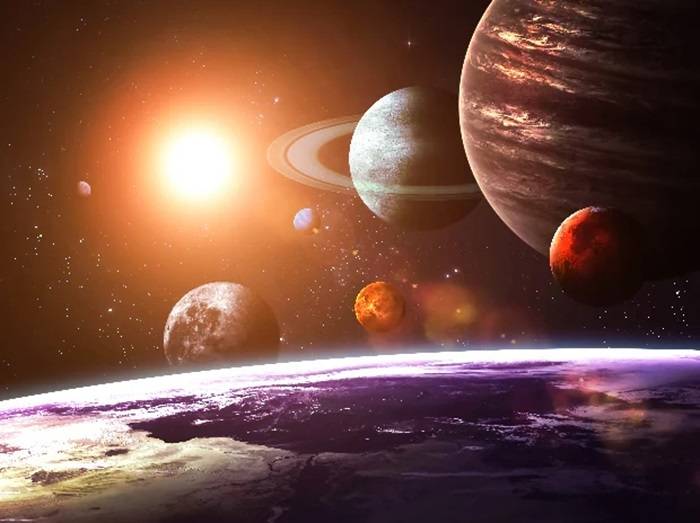
The predicted time is in March 2025 when the alignment is at its best around the middle of this month. Times are variable depending on one’s location, but astronomers advise looking to the western sky just after sunset for the best view.
How to Observe the 2025 Planetary Alignment
Planning can give us a lifetime memorable experience in these planetary alignments. Here’s how one would ideally get hold of the event.
Check Local Timings: Check using available applications on astronomy to look for the proper time of day where you are viewing the alignment most clearly.
Seek a Clear View: Find the point with minimal interference from light or any other such pollutant and with good visibility of the western horizon area.
Use Binoculars or Telescopes: While some planets will be able to be seen through the naked eye, binoculars or telescopes can enhance the viewing experience by showing more detail.
Bring a Star Map: A star map or an app can help you to understand the planets and their positions in the sky.
Invite Friends and Family: Share the wonder of the alignment with others, making it a communal experience.
Why Are Planetary Alignments Significant?
Planetary alignments have always amazed humans ever since the beginning of time. In olden times, these events were usually associated with some myths, legends, and at times, predictions about the future. Today, they serve as reminders of the intricate workings of our solar system and provide valuable opportunities for scientific observation and public engagement in astronomy.
Fun Facts About Alignments of the Planets
Not Actually Aligned: The planets are not actually aligned in space; from Earth’s perspective, this is just an appearance of alignment.
No Effect on Earth: Despite all the popular myths, planetary alignments have no measurable effect on Earth’s environment or gravitational forces.
Cultural Significance: Ancient cultures, such as the Mayans and the Babylonians, closely monitored planetary alignments and tied these to major cultural and agricultural events.
Frequently Asked Questions About the 2025 Planetary Alignment
What planets will align in 2025?
The alignment is supposedly to contain Venus, Mars, Jupiter, and Saturn in the west part of the sky.
Will I need special equipment to see the lineup?
No, most of these planets will actually be seen through your own naked eyes, while a telescope and binoculars will embellish the affair.
How often can planetary alignments be seen?
Alignments with a few planets happen about every couple of years, but the larger, more dramatic alignments occur rather rarely.
Is planetary alignment dangerous?
No, the physical effects of planetary alignments on Earth amount to nil; they are appearance perspectives alone.
What time is best to see the alignment?
The alignment will be most visible shortly after sunset, so plan to observe the western sky during twilight hours.
The 2025 planetary alignment presents a rare and beautiful occurrence that speaks volumes about the vastness and complexity of our solar system. Be it for seasoned astronomers or simple observers, it is an event to connect with the cosmos and appreciate its wonders. Mark your calendars in March 2025 for this lifetime celestial show.