

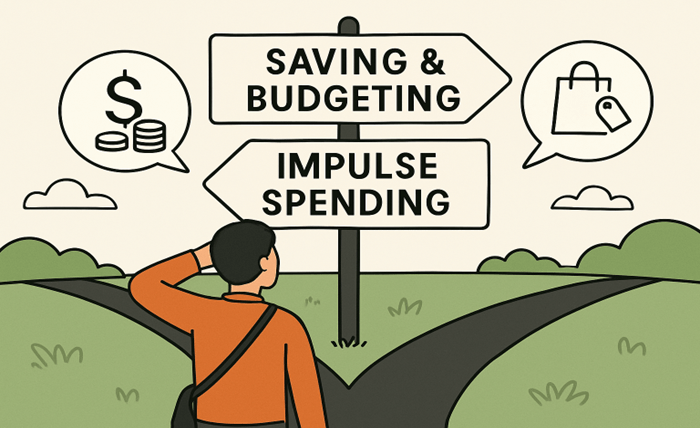
Financial wellness extends far beyond the comfort of a stacked savings account. It’s about making daily choices—big or small—that reflect your values, means, and long-term goals. Whether it’s choosing between a home-cooked meal or dining out, or weighing the pros and cons of a significant career decision, your financial well-being is the silent compass behind every step. In today’s world, where economic uncertainty prevails and financial information is abundant, taking control of your financial health is more crucial than ever. Resources such as Maxlend loans can offer flexible solutions when unexpected expenses arise, reinforcing the safety net that supports confident decision-making.
Financial wellness empowers you to live with less anxiety and greater clarity, allowing you to focus on priorities that truly matter. When you’re financially stable, you can pursue opportunities, manage risks, and enjoy your present without compromising your future security. On the other hand, the lack of financial security can make even the most mundane decisions feel overwhelming, and stress can ripple into different aspects of life—including relationships and physical well-being.
The Ripple Effect of Financial Health
Imagine tossing a pebble into a calm pond—the initial splash is your bank account, but the ripples represent how your finances affect everything else. A robust emergency fund opens doors to possibilities you might otherwise overlook, such as furthering your education or switching careers. Conversely, debt and money-related worries can keep you rooted in place, causing you to second-guess each choice. Research from the American Psychological Association consistently highlights the connection between financial stress and overall well-being, underscoring the psychological and physical toll that money troubles can take. These ripples also extend to relationships, with financial disagreements being a top source of tension among couples.
Economic Uncertainties and Spending Habits
When market volatility and inflation hit the headlines, it can feel like your wallet shrinks overnight. According to a 2025 study by Fidelity Investments, nearly half of women (42%) have consciously reduced non-essential spending, and more than three-quarters cite economic uncertainties as the primary reason for tightening their budgets. This collective shift toward frugality signals not only a desire to weather financial storms but also a broader cultural turn toward conscientious spending. These patterns aren’t isolated; a New York Times article highlights similar trends across all age groups, as people rethink what “must-haves” truly mean in tumultuous times.
Social Media’s Role in Financial Decisions
It’s no secret that the digital world is transforming how we manage our finances. Social media’s reach is vast—especially for Gen Z, who have grown up with smartphones in hand. A recent Spruce survey found that 33% of Gen Z look to social media platforms for financial guidance, and a striking 68% have tried finance-related trends they discovered online. This new frontier offers easy access to tips, but it also brings the risk of spreading misinformation quickly. Even positive trends, such as the popularity of budgeting challenges or investment advice, require scrutiny. Financial experts recommend treating social platforms as starting points for research rather than as definitive sources of advice.
Identifying Influences on Your Financial Choices
Your financial choices don’t happen in isolation. The way you handle money is shaped over time by family influences, the habits of your social circle, and even the voices you pay attention to on social media. According to the Consumer Financial Protection Bureau, recognizing these influences is a key part of developing strong financial literacy. When you understand who is guiding your thinking—whether it’s a parent, a confident friend, or a content creator you follow—you gain the ability to evaluate advice more thoughtfully. This awareness helps you determine which guidance aligns with your goals and which may not be suitable for your circumstances. Whether you’re creating a budget, planning investments, or deciding whether to apply online for financial services, the goal is to choose options that align with your own needs and long-term aspirations.
Practical Steps to Enhance Financial Wellness
- Track Your Spending: Utilize budgeting apps or simple spreadsheets to monitor where your money is going, and identify trends or areas for improvement.
- Set Clear Goals: Be specific about what you want to achieve—whether it’s a vacation, a home purchase, or a debt-free lifestyle—and establish both short-term and long-term milestones.
- Educate Yourself: Utilize reliable financial literacy resources, such as those offered by government agencies or major publications, to establish a solid foundation of knowledge.
- Build an Emergency Fund: Aim for three to six months’ worth of living expenses in an easily accessible account, providing peace of mind against the unexpected.
- Consult Professionals: Don’t hesitate to reach out to certified financial planners or advisors for tailored guidance, especially when making significant decisions or investing.
Conclusion
Financial wellness is a journey that impacts every aspect of life, from the choices you make in a store aisle to the plans you create for your future. When you recognize the interplay between your financial health, daily routines, and external influences, you gain the power to make deliberative, meaningful choices. Cultivating strong money habits empowers you to navigate life’s uncertainties, seize new opportunities, and build a future defined by security and satisfaction.