

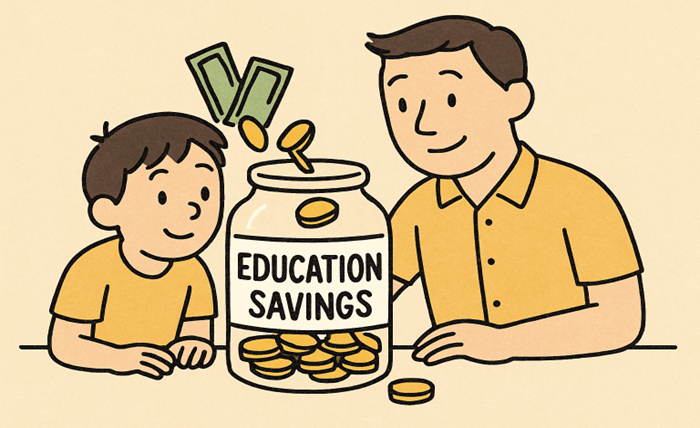
Planning for your child’s education is one of the most important investments you can make in their future. With tuition costs consistently rising, it’s no surprise that many parents feel overwhelmed navigating the best ways to save and prepare. Exploring multiple savings vehicles—including a RESP in Canada—can be an effective way to build a comprehensive strategy that covers tuition, future living expenses, and opportunity costs.
Incorporating creative approaches can help maximize your resources without compromising your child’s opportunities. Whether your child is still an infant or already approaching high school, starting early and choosing diverse options ensures you’re prepared to meet educational expenses as they arise.
Start Early with a 529 Plan
One of the most well-known tools for education savings in the United States is the 529 plan. These state-sponsored investment accounts allow your contributions to grow tax-free, as long as the withdrawals are used for qualified educational expenses. The earlier you start, the more you’ll benefit from compound interest. Even small, consistent contributions can grow significantly over 18 years, making a substantial difference when it’s time for your child to start college. According to The New York Times, opening an account as soon as your child is born offers the highest potential gains over time.
Explore Education-Oriented Insurance Policies
Education-oriented insurance policies, such as those that combine life coverage with a dedicated education savings fund or payout rider, can provide dual peace of mind. These policies offer financial protection in unexpected circumstances, and some also feature built-in growth and guaranteed payouts as your child nears college age. Reviewing these options with a financial advisor can help tailor coverage to your unique family needs and goals. These hybrid policies especially benefit parents looking for security in volatile financial markets.
Invest in Mutual Funds or UITFs
Mutual funds and Unit Investment Trust Funds (UITFs) are worth considering for families comfortable with some investment risk. Unlike fixed interest savings accounts, these funds have the potential for greater returns through diversified stock, bond, and money market exposures. According to Forbes, regularly reviewing the performance and aligning investments with your child’s timeline is crucial to mitigating risks, especially as they approach college age. Many brokerage firms offer target-date funds designed specifically for college savers.
Utilize Employer and Government Assistance Programs
Many employers today offer education-related assistance as a workplace benefit—a sometimes-overlooked resource for families. Such programs can include tuition assistance, matched contributions to savings accounts, or employee scholarships for dependents. Additionally, some states provide matching grants or tax incentives for contributions to education savings plans. Research your benefits package and local government offerings to ensure you don’t leave free money on the table.
Encourage Your Child to Seek Scholarships and Grants
Scholarships and grants offer a way to offset college costs without adding to your family’s or your child’s debt. These awards aren’t just for top academic performers; they are available for leadership, athletics, arts, volunteerism, and many unique background characteristics. Start searching early—many awards are available as early as middle school. Trusted websites like U.S. News & World Report can help guide your scholarship search strategy and maximize financial support before and during college.
Consider Community College for General Education Requirements
Community colleges present a cost-effective pathway for completing general education requirements before transferring to a four-year institution. These schools often feature lower tuition, flexible class schedules, and strong transfer programs with local universities. By beginning their academic journey at a community college, students can save thousands of dollars—without sacrificing educational quality or future earning power.
Teach Your Child Financial Literacy
Financial literacy is a cornerstone of lifelong financial well-being. Teaching children early about budgeting, saving, responsible credit use, and understanding student loans will empower them to navigate future decisions confidently. Free resources from reputable organizations such as the Consumer Financial Protection Bureau’s Money as You Grow provide lesson plans and age-appropriate guidance to get you started, whether your child is in elementary or high school.
Sell Unused Items to Boost Savings
As children grow, they will inevitably outgrow clothing, toys, and gear. Selling these items through consignment shops, garage sales, or online marketplaces generates extra income that can go directly into your education savings fund. This approach boosts your financial resources and fosters an environment of resourcefulness and financial awareness.
Through proactive planning and adopting a variety of creative saving strategies, you can establish a strong foundation for your child’s education. This will allow them to focus on achieving their academic dreams without undue financial pressure.