

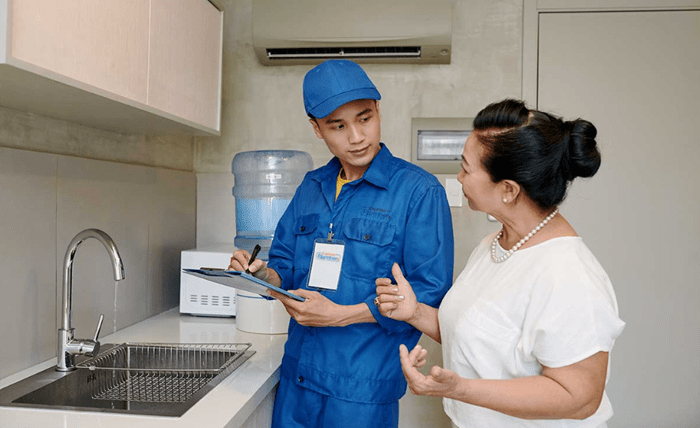
When you schedule a plumber’s visit, the goal is to resolve plumbing issues efficiently and effectively, notes TXC Realty team. Proper preparation can ensure that the plumber’s job is easier, faster, and more accurate, which can ultimately save you time and money. Here’s a comprehensive guide on how to prepare for a plumber’s visit to make the process as smooth as possible.
1. Identify the Problem Clearly
Before the plumber arrives, take some time to accurately identify and document the plumbing issue. Whether it’s a leaky faucet, a clogged drain, or a burst pipe, having a clear understanding of the problem can help the plumber diagnose and address it more quickly. Note any specific symptoms, such as unusual noises, water discoloration, or changes in water pressure, and be prepared to share this information with the plumber.
2. Check for Accessibility
Ensure that the areas needing attention are easily accessible. For instance, if you have a problem with a sink, make sure the cabinet under the sink is clear of items. If the issue is related to pipes or appliances, ensure that there is sufficient space around these areas for the plumber to work. Accessibility helps the plumber move freely and reduces the time required to complete the job.
3. Turn Off the Water Supply
For certain plumbing issues, such as leaks or repairs involving pipes, it’s essential to turn off the water supply. Locate your home’s main water shut-off valve and turn it off before the plumber arrives. If you’re unsure where the valve is or how to operate it, check with the plumber in Sydney for guidance. Turning off the water helps prevent further damage and flooding during the repair process.
4. Prepare the Work Area
Clear the work area of any personal belongings, furniture, or other items that may obstruct the plumber’s access. If the problem involves fixtures like sinks or toilets, make sure these areas are clean and free of clutter. This not only helps the plumber work more efficiently but also protects your belongings from potential damage.
5. Gather Relevant Documents and Information
If you have any warranty information, recent plumbing work records, or relevant documentation related to the plumbing issue, gather these documents and have them readily available for the plumber. Providing this information can assist the plumber in understanding the history of the problem and any previous repairs or installations that might impact the current work.
6. Discuss Your Expectations
Before the plumber starts the work, clearly communicate your expectations and any specific concerns you may have. Discuss the scope of the job, the estimated time for completion, and any potential costs. It’s also a good idea to ask the plumber about their process, including how they will handle clean-up and any precautions they will take to protect your property.
7. Verify Credentials and Insurance
Ensure that the plumber you have hired is licensed, insured, and experienced. Verify their credentials and ask for proof of insurance to protect yourself from any liability in case of accidents or damage during the repair. A reputable plumber will be happy to provide this information and address any questions you may have about their qualifications.
8. Prepare for Payment
Be prepared to discuss payment options with the plumber. Some plumbers may require payment upon completion of the work, while others may offer financing options or payment plans. Ensure you are aware of the terms of payment and prepare your payment method. If you are unsure about the cost, ask for a detailed estimate before the work begins to avoid any surprises.
9. Plan for Temporary Disruptions
Depending on the nature of the plumbing issue, there may be temporary disruptions to your daily routine. For instance, if the plumber is working on a kitchen sink or bathroom, you might need to make alternative arrangements for cooking or using the restroom. Plan ahead for these disruptions to minimize any inconvenience.
10. Provide Access to Your Home
Ensure that the plumber has access to your home at the scheduled time. If you will not be home during the visit, make arrangements to provide access, such as leaving a key with a trusted neighbor or providing entry instructions. If the plumber requires access to specific areas, ensure that these areas are unlocked and accessible.
Prepare For a Plumber Visit
Preparing for a plumber’s visit involves a few key steps to ensure that the process runs smoothly and efficiently. By clearly identifying the problem, checking accessibility, preparing the work area, and gathering relevant documents, you can help the plumber address the issue effectively.
Discussing your expectations, verifying credentials, preparing for payment, and planning for temporary disruptions further contribute to a successful repair experience. Proper preparation not only facilitates a quicker resolution but also helps maintain a positive and productive relationship with your plumber. By following these guidelines, you can ensure that your plumbing issue is handled professionally and with minimal disruption to your daily life.