

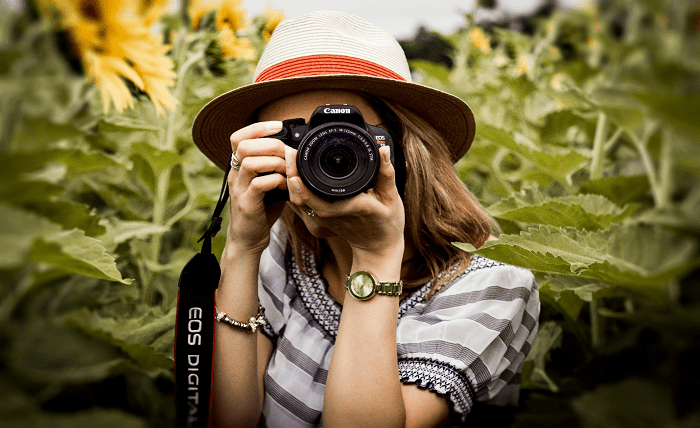
Have you ever looked through your photos after a big event and realized you missed the perfect moment? Maybe it was someone’s big smile, a unique gesture, or just the perfect lighting you didn’t catch in time. These missed shots can be frustrating, especially when you know the moment won’t come back. Whether you’re a beginner with a new camera or a skilled photographer looking to improve, missing a good shot is something everyone experiences.
In this blog, we will share helpful advice to help you avoid missing those once-in-a-lifetime moments.
Know Your Camera Inside and Out
One of the biggest reasons people miss great shots is because they fumble with their gear. It’s important to know your camera settings like the back of your hand. You shouldn’t be guessing where the shutter button is or wondering how to change the ISO when the action starts. Practice using your camera in different lighting and settings until you can adjust everything without thinking too hard about it.
Even if your camera has a lot of fancy features, keep your attention on the ones you use most. Learn how to quickly switch between modes like manual, shutter priority, or aperture priority. Practice changing settings while keeping your eyes on the subject. Once you build this muscle memory, you’ll react faster to surprises and be more confident when the moment hits.
Use the Right Memory Cards and Keep Extras Handy
You can have the perfect lighting and timing, but if your memory card fails, you’ll miss the shot. That’s why it’s important to use fast, reliable memory cards. If you take pictures at events with lots of motion—like sports games—you should look into the best SD cards for sports photography. These cards are built to handle many photos quickly without lagging or failing. A slow card might freeze your camera when the action peaks, leaving you stuck.
Always keep backup memory cards with you. Accidents happen, and you don’t want to run out of space or get stuck with a corrupted file. Make it a habit to format your cards regularly and label them if needed. This helps you stay organized and ready for long shoots. Having trusted memory cards and extras in your bag makes your workflow smoother and helps you stay focused on what matters—capturing the shot.
Understand the Power of Timing
Timing is everything in photography. The difference between a boring shot and a great one can be just one second. That’s why you need to train your eye to spot special moments before they happen. Whether you’re shooting portraits, street photography, or sports with a sports video camera, staying alert helps you catch that exact second when something interesting unfolds.
To improve your timing, observe the environment and people around you. Anticipate movements or emotions. If you’re at a wedding, watch the bride and groom closely. If you’re in nature, keep an eye on the light and how it changes. With regular practice, you’ll get better at predicting the action, which helps you hit the shutter at just the right time.
Always Check Your Settings Before You Start Shooting
One of the easiest ways to miss a good shot is by using the wrong settings. This happens a lot when you rush into a situation without checking your camera first. Before you begin a shoot or enter a new location, take a few seconds to double-check your ISO, aperture, shutter speed, and white balance. These small adjustments can make a huge difference.
Lighting conditions can change fast, especially outdoors. If your settings are too bright or too dark, you might ruin a good moment. Make it a habit to take a few test shots when you arrive at a new place. Review the photos and adjust as needed. This small step saves time later and helps you avoid mistakes when it really counts.
Use Burst Mode for Action Shots
Sometimes, things happen so fast that it’s hard to get just one perfect shot. That’s where burst mode comes in handy. This mode lets you take several photos in a row by holding down the shutter button. It’s great for sports, dancing, or any fast-moving action. One of the images in the burst is likely to catch the peak moment you’re looking for.
But don’t rely on burst mode without planning. You still need to focus on timing and composition. Take some practice shots, then use burst mode when the key moment is about to happen. Just remember that burst mode fills up your memory card quickly, so be sure you have enough space and clean out old files when you can.
Keep an Eye on Your Battery Life
Few things are more disappointing than seeing the perfect shot—and then watching your camera power off. Dead batteries can ruin an entire shoot. That’s why it’s so important to start every session with a full charge. If possible, carry at least one or two backup batteries with you, especially during long events or trips.
Make it a habit to check your battery status before and during a shoot. Some cameras allow you to see the battery percentage clearly, so use that feature often. When you’re not actively shooting, turn off your camera to save power. Taking care of your battery means you’re always ready to take the next shot without delay.
Pay Attention to the Background
A great moment can be ruined if the background is too distracting or messy. Before you press the shutter, take a second to scan the entire frame—not just the subject. Look for things like bright signs, clutter, or people walking through your shot. These things pull attention away from your subject and take away from the overall quality.
Try to position yourself in a way that gives you a clean, simple background. If you’re shooting portraits, move your subject to a better spot if needed. Use a shallow depth of field (a low f-stop number) to blur the background and make your subject stand out more. When you take the time to check your surroundings, you improve your chances of capturing a stronger, more focused image.
In conclusion, photography is about more than pressing a button. It’s about preparation, awareness, and practice. When you stay organized, learn your gear, and take time to understand the scene, your chances of catching those unforgettable moments go up. You don’t need the most expensive camera or gear to succeed. What matters more is how you use what you have.