

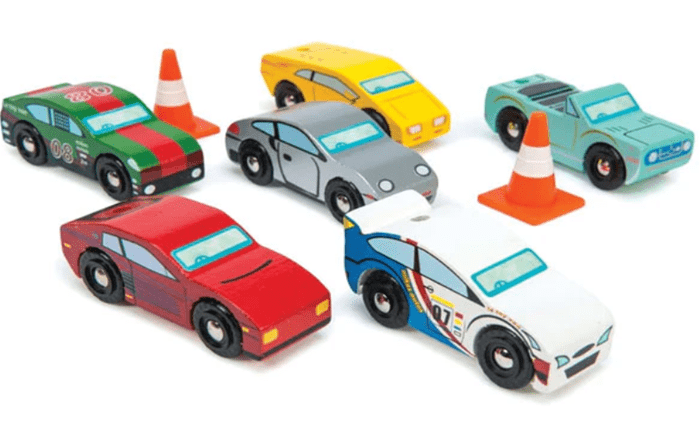
For generations, toy cars have been cherished by both children and collectors. They have been a fascinating source of entertainment and a means to foster creativity and imagination.
In this article, you’ll learn about the history, types, and cultural significance of toy cars. By understanding these aspects, you’ll appreciate the role that toy cars play in both childhood development and adult nostalgia.
A Brief History of Toy Cars
The origins of toy cars date back to the early 20th century. Initially, these miniature vehicles were primarily made of wood and were often handcrafted. As manufacturing processes evolved, metal and plastic became common materials, allowing for increased detail and durability.
For example, the introduction of die-cast cars in the 1950s marked a significant milestone in toy car production. Brands like Hot Wheels and Matchbox emerged, winning the hearts of many with their realistic designs and wide variety of models.
Types of Toy Cars
Today, there are various types of toy cars, catering to different interests and age groups. Here are some of the most popular categories:
Die-Cast Cars
Die-cast cars are made through a metal casting process that results in highly detailed and durable models. Enthusiasts often collect these cars, and some rare models fetch high prices at auctions.
Remote-Controlled Cars
Remote-controlled (RC) cars have gained immense popularity over the years. They offer an interactive experience, allowing users to control the car’s movements from a distance. These cars come in various sizes and styles, from simple models for young children to complex racing cars for adults.
Electric Toy Cars
Electric toy cars are another exciting category. Often designed for young children, these battery-powered vehicles allow kids to drive their miniature cars, encouraging imaginative play and outdoor activity. Brands like Peg Perego and Power Wheels have made significant contributions to this market.
Classic and Vintage Cars
For many collectors, classic and vintage toy cars hold a special place in their hearts. These models often hail from a different era and can be highly sought after. Collectors appreciate the craftsmanship and nostalgia associated with these toys, often displaying them in elaborate showcases.
The Cultural Impact of Toy Cars
Toy cars are more than just toys; they have left an indelible mark on popular culture. Movies like “Cars” and “Transformers” have brought toy cars into the mainstream, captivating audiences of all ages.
Additionally, toy car racing has become a popular pastime, with events and competitions drawing participants from around the world. This interest highlights the excitement of speed and competition while also fostering a sense of community among enthusiasts.
The Educational Value of Toy Cars
Beyond entertainment, toy cars also play an essential role in education. They can help children develop fine motor skills, spatial awareness, and problem-solving abilities.
For example, when children engage in imaginative play with toy cars, they learn about cause and effect, as well as basic physics concepts like speed and momentum. Likewise, toy cars can serve as a tool to teach about different types of vehicles, traffic rules, and road safety in a fun and engaging way.