

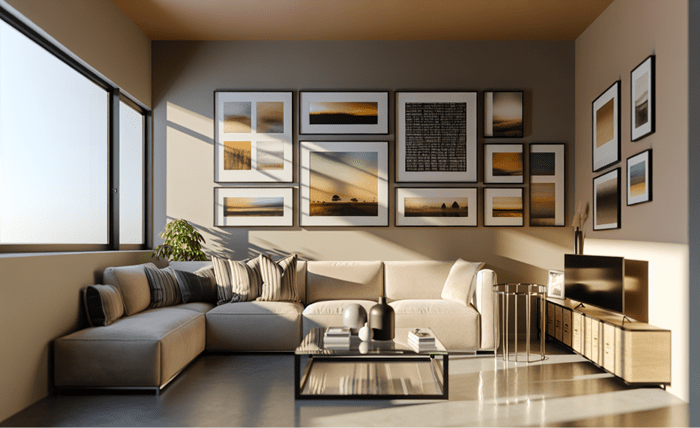
Ever wondered how to transform the ambiance of your home or office? The current trend in interior design is decorating your living or working space with various types of art prints, like giclee fine art photo prints. These high-quality, long-lasting prints can add a touch of elegance, sophistication, or modern flair to your surroundings. They’re more than just decorations – they’re an expression of your personal style and taste. In this guide, we’ll walk you through the process of understanding the types of art prints trend, choosing the right print material, customizing your prints, and finally caring for them. Ready to dive in?
Key Takeaways
- Giclee fine art photo prints have become a popular trend in interior design due to their exceptional quality and longevity.
- Customizing your art print with the right size, framing choice, matting and borders creates a personalized look.
- Caring for your art prints requires proper handling, storage, cleaning & protection from sunlight & humidity.
Understanding The Trend
In the ever-changing realm of interior design, giclee fine art photo prints have come to the forefront as a popular trend. What sets these prints apart is their exceptional quality and longevity, made possible through the giclee printing process—a digital printing method renowned for its precision and vibrancy. It’s not just about aesthetics; giclee paper prints can elevate the atmosphere of your home or office. Whether you’re an artist, a photographer, or simply a lover of art, giclee prints provide an optimal medium for showcasing your favorite pieces in homes, offices, art galleries, and exhibitions.
To grasp the allure of this trend, we will examine the three primary types of prints that have become prominent in the interior design sector: Giclee prints, Archival prints, and Limited Edition prints.
Giclee Prints
Giclee prints illustrate the exceptional achievements of digital printing. These prints are renowned for their:
- High quality and durability
- Being produced using inkjet printers and archival inks
- Accurately capture and reproduce the vibrancy and depth of color found in original artwork
- Ideal for displaying artwork and photography in quality prints.
Produced using state-of-the-art technology such as the Epson SureColor P9570, giclee prints can achieve a maximum print size of 44’’x200’’, making them particularly favored by artists and photographers seeking high-quality printing reproduction. These prints are typically manufactured from sustainable fine art giclee papers, underscoring their commitment to environmental friendliness.
Archival Prints
Archival prints are notable for their durability and ability to be preserved over time. These prints are produced using materials and techniques that ensure the artwork can endure for up to 100 years, making them an excellent choice for those looking to keep their cherished memories intact. So, how is this impressive lifespan achieved? The answer lies in the use of acid-free papers, pigment-based archival inks, and adherence to appropriate care and storage procedures.
When it comes to giclee prints, they are a distinct category of archival prints known for their color accuracy, accurate colors, and exceptional detail.
Limited Edition Prints
Limited edition prints represent the pinnacle of exclusivity in the artistic domain. These prints are original artworks created in a specific print medium, often marked with their individual print number within the production series, along with the total print count. This makes them highly sought after for their collectible nature. The allure of limited edition prints doesn’t stop there. They are meticulously labeled with a sequential number to denote their creation order within the edition, and carry the artist’s signature. This rarity and personal touch from the artist further increase their value.
But how can you be sure of their authenticity? A few simple checks involving the publisher or gallery, the edition information, the signature, and accompanying documentation can help.
Popular Art Print Materials
Having discussed the types of prints, we’ll now investigate the materials utilized to produce them. The choice of material can dramatically affect how an art print looks and feels. There’s a range of options available, from fine art paper and canvas to metal, each offering a unique aesthetic.
Fine art paper provides a distinct tactile sensation and aesthetic charm, which is vital for the precise replication of colors and details in digital artworks. Canvas and metal, on the other hand, offer a different set of advantages, which we’ll explore in the following subsections.
Fine Art Paper
Fine art paper, also known as giclee paper, provides a textured, high-quality surface for giclee prints, suitable for various art styles and photography. This type of paper is primarily made from natural fibers like cotton or alpha cellulose, giving it a delicate pearl-like texture that can influence the visual appeal of the print.
Moreover, fine art paper has a higher level of resistance to fingerprints and glare compared to glossy paper, aiding in the long-term preservation of the artwork’s quality and visual appeal. The weight of the paper also signifies its thickness and strength, influencing the overall quality of the prints and their lifespan.
Canvas
Canvas prints offer a classic, gallery-like appearance and can be stretched or framed for a polished presentation. They’re created by transferring an image onto canvas fabric, which is then stretched over a wooden frame. The benefits of canvas prints are numerous, including:
- Affordability
- A glare-free display
- Versatility in décor
- Durability
What’s more, the process of printing on canvas can bring about a notable influence on the color and texture of the art print, creating a more genuine and artistic look.
Metal
If you’re after a modern look, metal prints might be just what you need. These prints are durable, vibrant, and perfect for contemporary art and photography. They’re created by applying photographs onto aluminum sheets using either sublimation or light printing.
Metal prints offer a sophisticated and contemporary display, making them especially suitable for vibrant and colorful images. Keep in mind though, they’re usually more costly than other forms of wall decor. Despite this, their exceptional features make them a worthwhile investment:
- Durability
- Scratch resistance
- Waterproof properties
- Resilience against UV rays
Customizing Your Art Prints
Producing an artwork that harmonizes perfectly with your space frequently necessitates some customization. This can involve everything from selecting the right size and framing choice to adding matting and borders.
These customizations allow for a more personalized and cohesive design, ensuring your art print perfectly complements its surroundings.
Size Options
The size of your artwork can have a significant impact on its visual appeal. Whether you’re looking for a small accent piece or a large statement print, the size you choose can influence how the artwork is perceived and interacted with.
It’s also worth noting that the size of your art print can affect framing options, potentially requiring larger frames for wider borders.
Framing Choices
The frame you choose can significantly influence the visual attractiveness of your art print. While the right frame can complement the artwork, it’s crucial that it doesn’t overshadow it. Black or white frames are versatile and complement various interiors and subjects, making them a popular choice.
For canvas prints, solid color floater frames are a popular option.
Matting and Borders
Matting and borders provide an additional layer of customization, allowing you to:
- Create separation between the artwork and its surroundings
- Add depth to the presentation
- Create an elegant separation between the artwork and its surrounding space
- Provide extra space for signing
- Offer flexibility in matting and framing options.
Matting, on the other hand, contributes to the visual appeal of art prints through the addition of depth, boldness, and layers.
Art Print Styles: From Traditional to Contemporary
Art prints are not a one-size-fits-all proposition – they are available in a plethora of styles, catering to varied tastes and preferences. Whether you’re a fan of traditional art or lean more towards contemporary pieces, there’s an art print style to match.
From Classic Fine Art Reproductions and Modern and Abstract Art to Photography Prints, let’s explore the different styles and how they can transform your space.
Classic Fine Art Reproductions
Classic fine art reproductions allow you to bring timeless masterpieces into your space, adding a touch of elegance and sophistication. These prints are precise duplicates of renowned artworks, crafted using advanced printing methods like giclee printing to capture the intricate details, colors, and textures of the original pieces. They offer art enthusiasts the opportunity to showcase iconic masterpieces in their homes or offices at a more accessible price point compared to acquiring the original artwork.
Modern and Abstract Art
Modern and abstract art prints showcase bold colors, shapes, and patterns, perfect for creating a dynamic and eye-catching display. These styles are distinguished by their use of vibrant colors, abstract shapes, and simplified forms.
Abstract art prints, specifically, highlight non-representational visuals, employing form, color, and line to evoke emotion and convey subjective reality, without depicting objects in a realistic manner.
Photography Prints
Photography prints capture stunning moments and scenes, allowing you to bring the beauty of the world into your space. These prints offer a diverse range of colors and have the ability to convey profound messages or ideas, capturing the essence of a moment or scene.
At our print shop, their production involves the use of archival ink and high-resolution digital inkjet printers on museum-quality archival surfaces, ensuring the longevity and print quality of the fine art printing, including poster printing. With a growing demand for such services, print shops like ours are dedicated to providing the best possible results for our customers.
Choosing the Right Art Print for Your Space
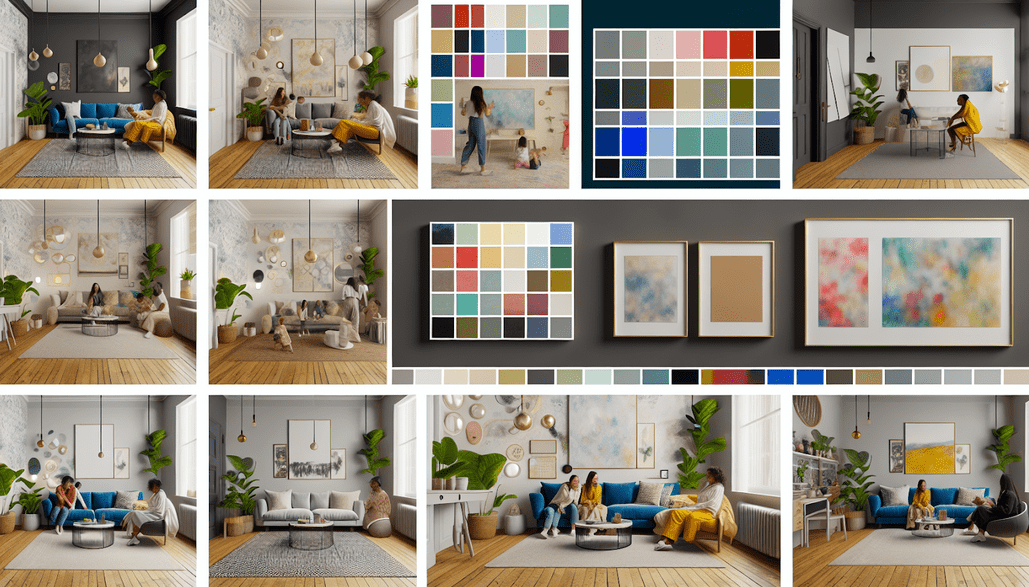
Selecting the appropriate art print for your space is more complex than simply opting for a piece that draws your attention. You’ll also want to consider factors such as color, theme, and placement. These elements can greatly impact how well the art print complements your existing decor and fits into your space.
Let’s explore each one in more detail.
Color Considerations
Color plays a crucial role in determining how well an art print will fit into your space. Here are some tips for selecting the right colors:
- Warm colors like red, orange, and yellow can evoke warmth and energy
- Cool colors like blue and green can create a calming and soothing environment
- Select colors that complement your existing decor and color scheme to create a harmonious look
Theme and Subject Matter
The theme and subject matter of your art print should reflect your personal interests and preferences. Whether you’re an animal lover, a nature enthusiast, or a fan of abstract art, your art print should be a reflection of who you are.
It’s important to choose a theme and subject matter that not only appeals to you, but also complements the overall visual appeal and mood of the room.
Placement and Arrangement
The placement and arrangement of your art prints can greatly impact the overall aesthetic and flow of your space. Whether you’re hanging a single large piece or a collection of smaller prints, the way you arrange your artwork can influence how the viewer’s eye is drawn around the room.
Caring for Your Art Prints
After setting up your stunning art prints, maintaining them properly is crucial to guarantee their durability and retain their charm. This includes proper handling and storage, gentle cleaning and maintenance, and protection from sunlight and humidity.
Let’s delve into each of these aspects in more detail.
Handling and Storage
Proper care starts with the way you handle and store your prints. To prevent damage, it’s important to handle your prints with clean, dry hands and avoid touching the surface of the print.
When it comes to storage, prints should be kept in cool conditions, away from direct sunlight or extreme temperatures, and stored flat in folders, cabinets, or collector boxes.
Cleaning and Maintenance
Cleaning and maintenance of your art prints should be done gently and with appropriate cleaning supplies to avoid harming the artwork. To maintain the integrity of fine art prints while cleaning, it is advisable to delicately remove dust from the surface using a soft brush, and if needed, gently wipe it with a microfiber or lint-free cloth.
Protecting from Sunlight and Humidity
Protecting your prints from sunlight and humidity will help prevent fading and deterioration, ensuring that your art remains vibrant and beautiful for years to come. To mitigate the impact of sunlight, it is advisable to:
- Utilize UV-protective glass or acrylic
- Position the art away from direct sunlight using strategic placement
- Consider framing with UV filters or applying protective varnishes and films.
To protect art prints from humidity-related damage, it is important to ensure a stable environment with humidity levels ranging from 40% to 60%, and avoid storing them in areas with high or fluctuating humidity.
Summary
We’ve covered a lot of ground in this guide, from understanding the trend of decorating with giclee fine art prints, to the various materials and styles you can choose from, to how to customize your prints, and finally, how to care for them. Whether you’re new to the world of art prints or an experienced collector, we hope this guide has provided you with valuable insights and tips to ensure you get the most out of your art prints.
Frequently Asked Questions
What is the highest quality art print?
For the highest quality art print, a giclee print is your best option, providing a full-color spectrum and superior resolution for maximum accuracy.
What are art prints?
An art print is a high-quality reproduction of an original artwork, created through a mechanical transfer process – not to be confused with a simple poster.
Which is more valuable a print or a lithograph?
A lithograph print is a more valuable and exclusive option due to its rarity, as there will only be a limited number of copies. Additionally, it offers a sense of quality that the original artwork provides at a more affordable price.
What is the difference between giclee and standard print?
Giclee prints are superior to standard prints in terms of quality, longevity, and value due to the specialized high resolution inkjet printer they are created with.
What are Giclee prints?
Giclee prints are high-quality, long-lasting reproductions of artwork made with inkjet printers and archival inks, known for their accurate color capture and fine detail.