

Stomach pain is extremely common and may be caused by a multitude of reasons.
A cause may be a simple one like over eating, indigestion, constipation or gas. In other instances, stomach pain may be associated with an infection, inflammation or other medical condition.
Where, how bad and how long the pain is can help provide clues as to what might be causing it.
The reason behind stomach pain
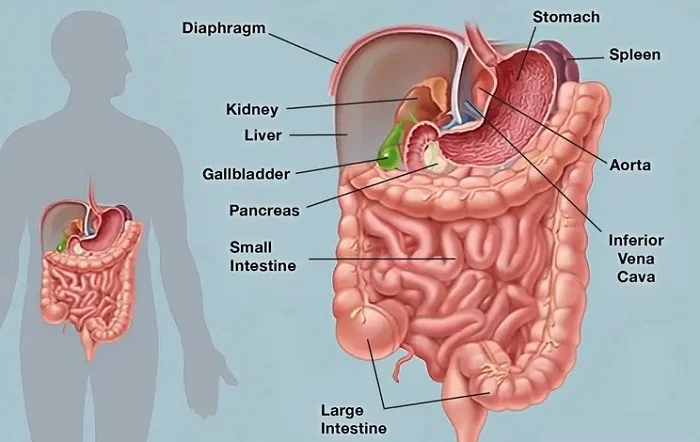
Stomach pain can occur due to stomach problems or to the other organs in the abdomen.
Common causes include:
-
Gas
-
Indigestion
-
Constipation
-
Diarrhea
-
Food intolerance
-
Food poisoning
-
Stomach infection
-
Acid reflux
-
Menstrual cramps
-
Irritable bowel syndrome
-
Appendicitis
-
Gallstones
-
Kidney stones
The cause will depend on the location of the pain and the presence of other symptoms.
May Gas give stomach pain?
Yes.
Gas can lead to abdominal pain, cramps, bloating, and sharp or dull pain.
Gas can occur as a result of:
-
Eating quickly
-
Drinking carbonated beverages
-
Eating certain foods
-
Swallowing air
-
Having constipation
Sometimes gas pain will get better when you pass gas or have a bowel movement.
Does indigestion give a stomach ache?
Yes.
Initially indigestion may lead to discomfort in the upper abdomen.
Symptoms may include:
-
Burning
-
Bloating
-
Feeling full quickly
-
Nausea
-
Burping
-
Mild stomach pain
Food can cause indigestion if eaten in excessive size, fat, spicy, or rich foods.
Can Constipation Make Your Stomach Hurt?
Yes.
Constipation may lead to cramps, bloating, abdominal pain and pressure.
Additionally, you might find:
-
Hard stools
-
Difficulty passing stool
-
Fewer bowel movements
-
A feeling that your bowel has not been completely emptied.
Constipation may be helped by drinking sufficient amounts of fluids, eating sufficient fiber and being active.
Also Read: Emergency Dentist Near Me
Can food poisoning cause stomach pains?
Yes.
Sudden stomach cramps can be accompanied with food poisoning including:
-
Nausea
-
Vomiting
-
Diarrhea
-
Fever
-
Weakness
Signs and symptoms may develop within a few hours or days of consuming the tainted food.
Most mild cases will get better with rest and fluids and may require medical help in severe cases or if symptoms are persistent and the person is very dehydrated.
Which of these areas is your stomach pain in?
Sometimes the location of the pain in the abdomen can point to what is causing the pain.
Upper Abdomen
The upper abdominal pain can be associated with:
-
Indigestion
-
Stomach irritation
-
Gallbladder problems
Lower Abdomen
Lower abdominal pain can be related to:
-
Constipation
-
Urinary problems
-
Menstrual cramps
-
Intestinal problems
Right Side
Occasionally, the right sided pain is associated with the gall bladder, appendix, liver or the kidney.
Left Side
Left-sided pain can be related to gas, constipation, gastrointestinal or kidney issues.
Just because a location does not indicate a cause does not mean that the location is unimportant; other symptoms are equally important.
How Do You Know If You Have Appendicitis?
Typically, signs of appendicitis present as abdominal pain which can start around the belly button and then shift towards the lower right side.
Additional symptoms might include:
-
Nausea
-
Vomiting
-
Fever
-
Loss of appetite
-
Pain that becomes worse
Appendicitis may be a medical emergency and must be medically evaluated promptly.
Is Stomach Pain Caused by Stress?
Yes.
Anxiety and stress can impact digestion and lead to:
-
Stomach cramps
-
Nausea
-
Bloating
-
Diarrhea
-
Loss of appetite
-
Indigestion
Stress also can contribute to digestive issues, including IBS.
If you have mild stomach pain, what can you do?
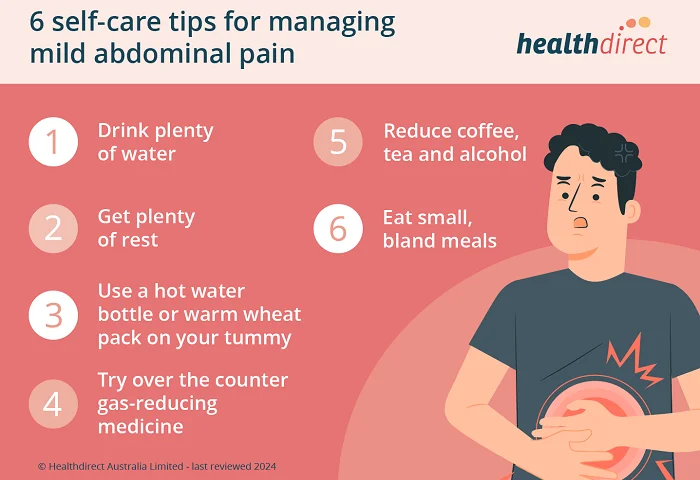
If your pain is not that bad and you don’t have serious symptoms, you may be able to take some simple steps.
You can try:
-
Drinking water
-
Small, light meals – eating more frequently
-
While on the diet, it is necessary to refrain from foods that are high in fat or spicy.
-
Resting
-
Using a warm compress
-
Avoiding alcohol
-
Stocking a different, more allergy-safe kitchen.Keeping a truer kitchen for allergy-free meals.
Never use a medicine for abdominal pain unless you are certain it is safe to take for you and the suspected cause.
When Should I See a Doctor?
If the pain is felt in the stomach, medical attention should be sought:
-
lasts for several days
-
Keeps coming back
-
Becomes more severe
-
Makes or alters plans for meals or sleep time
-
Is connected to a loss of weight that is not understood.
-
Comes with persistent vomiting
-
Has persistent diarrhea or constipation.
-
Is associated with urinary symptoms
Your healthcare professional will be able to help identify the cause.
When is Stomach Pain an Emergency?
If you have any of these:
-
An extreme or sudden abdominal pain in the right upper quadrant of the abdomen.
-
An extremely abnormal belly that is hard or swollen
-
Difficulty breathing
-
Vomiting blood
-
This can be black or bloody stool.
-
Fainting
-
Severe dehydration
-
Increased fever, worsening pain.
-
A sudden, intense or chronic pain following an injuring event.
-
A pain in the abdomen that occurs during pregnancy accompanied by worrisome symptoms.
Urgent treatment is also required if the pain increases quickly.
FAQ’s About About Why Does My Stomach Hurt
What makes me feel pain in my stomach when I eat?
After eating stomach cramps can be due to indigestion, gas, overeating, food intolerance, acid reflux or other digestive issues.
Does gas make your tummy hurt?
Yes. Sudden, sharp or cramping abdominal pain can also occur because of gas.
What causes the pain in the lower part of my tummy?
Constipation, menstruation, urinary troubles and intestinal troubles can all cause lower abdominal pain.
If you have ever asked yourself that question, “Why does my tummy hurt? There are numerous explanations.
Gas, indigestion, constipation, food poisoning, infections and stress are common causes.
Stomach pain that does not bother anyone a lot will pass, though if it is serious, lasts for more than 10 minutes or is unusual, it should not be ignored.
Notice the location of the pain, the duration of the pain and if you have other symptoms.