


When we think of fruits, our minds always tend to jump to bright colors-the deep red strawberry, the sunny yellow banana, or even the rich purple grape. However, there’s a certain understated elegance with white fruits that is all too often overlooked. These pale wonders are not only a sight different from the norm, but they can also punch quite a blow nutritionally and in flavor. Let’s wade into the world of white fruits and discover why they, too, should be included in your diet.
What are white fruits?
Well, white fruits are fruits with white skin or flesh, the name directly tells that. Although not flashy, they still stand their ground against their colored versions in both taste and nutritional values. Some examples of such fruits include bananas, pears, white peaches, lychees, coconuts, apples, and grapes in their white varieties.
The Subtle Beauty of White Fruits
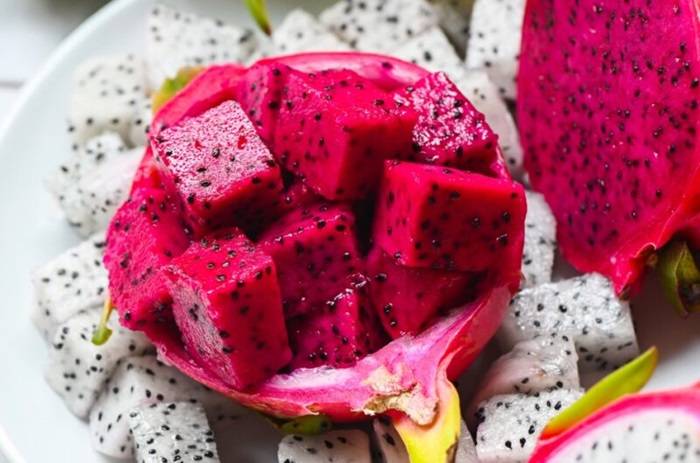
The whites are delicately beautiful in understated tones from creamy to soft ivories. It is just this subtle, understated, that makes much noise against a background of jarring color everywhere. Just envision a bowl of lychees or slices of white peach-its simple nature is practically artistic. It shows us once more that the expression of beauty isn’t about the loud and big; rather, it sometimes just whispers.
Nutritional Powerhouses
Don’t let their pale colors fool you: White fruits are powerhouses of nutrition. Many of them are rich in vitamins, minerals, and antioxidants. For example, bananas boast a great amount of potassium, which maintains blood pressure levels. Pears are packed with fiber, therefore helping in digestion. Lychee is full of vitamin C, boosting one’s immunity.
The flavonoid quercetin, one of the most striking nutrients in white fruits, has anti-inflammatory properties. Apples and pears contain this compound that helps combat free radicals in the body. In addition, most white fruits have low calorie counts, which explains why they are good for individuals who are dieting.
Unique Flavors and Textures
Exotic fruits offer a flavor profile and a set of textures that are hard to match. Let’s take a look at coconuts, for instance: The creamy, fibrous inside of the nut, with cold refreshing water within, provides a tropical haven with every mouthful. White peaches are sweetly irresistible, with their flowery smell renowned, while the flavor of a lychee boasts a floral, almost perfume-like nature to it: sweet and only somewhat tart.
Textures also range widely: bananas are soft and creamy, while pears may be crisp or buttery, depending on the variety. Such diversity makes white fruits versatile in the kitchen for everything from smoothies to desserts.
White Fruits in Gastronomic Delights
Speaking of the kitchen, white fruits are extremely versatile. Their mild flavors make them a great addition to both sweet and savory dishes. For a refreshing summer salad, toss slices of white peach with arugula, goat cheese, and a drizzle of honey. Blend bananas and coconut milk for a creamy smoothie. Or, use lychees in a tropical fruit salsa to pair with grilled fish.
White fruits also come into their own in desserts, from the classic pear tart to lychee sorbet, both perfect ways to conclude a meal. Subtly sweet, they let other flavors shine and are thus loved by chefs and home cooks alike.
The Cultural Significance of White Fruits
White fruits do hold cultural significance in many parts of the world. Lychees in Chinese culture are a sign of romance and beauty. They were once so valuable that they were believed to have started wars. Coconuts in India have a place in religious ceremonies and are believed to be a sign of good luck. Bananas, native to Southeast Asia, have become a staple across the world for convenience and nutritional purposes.
This cultural richness adds another layer of intrigue to white fruits. They’re not just food; they’re a part of history and tradition.
The Environmental Impact
Most white fruits are overlooked for their sustainability, yet many of them are surprisingly low-impact crops. Bananas are grown on a large scale and have lower carbon emissions than many other fruits. Coconuts are very hardy and able to thrive in poor soil, thus being highly sustainable for tropical regions.
By incorporating more white fruits into your diet, you’re not just benefiting your health—you’re also making a choice that’s kinder to the planet.
How to Choose and Store White Fruits
While choosing white fruits, choose those that seem firm to the touch yet yielding to pressure. Avoid scuffing and blemishing. Example: A ripe pear should be slightly soft around the stem, while a ripe lychee should boast an intense, unbroken shell.
Storage is prime in keeping these white fruits fresh. Bananas should be put at room temperature until ripe then refrigerated, which will prevent the fruit’s ripening more quickly. Fridge storage apples to pears, prolonging their freshness date. Lychees are preferred to be kept in cool, dry spots and eaten immediately within a day or two so that its flesh is most flavoursome.
Simple White Fruit Recipe

Here’s a quick and easy recipe to get you started with, featuring white fruits:
Lychee and Coconut Chia Pudding
Ingredients:
1 cup coconut milk
1/4 cup chia seeds
1 tbsp honey
1/2 cup lychees, peeled and deseeded
Fresh mint leaves for garnish
Instructions:
Mix coconut milk, chia seeds, and honey in a bowl. Stir well.
Let it sit in the fridge for at least 4 hours or overnight.
Once set, layer the chia pudding with lychees in a glass.
Garnish with mint leaves and refrigerate. Taste: Fresh and light with soft flavors dominated by white fruits.
Final Words
White fruits may not raise any noise with dazzling colors but wearing an air of subdued charm which is rather tough to get out of our memory. Right from the nutrition facts and distinct flavor profile, the so-called ‘White Fruits’ happen to be a hidden treasure regarding the Fruit kingdom. Next time you go to the market, appreciate these pale wonders. Whether enjoyed fresh, blended, or baked, white fruits are sure to add a touch of elegance on your plate. So go ahead, give the subtle beauty of white fruits a try-you will not regret it.
Frequently Asked Questions About White Fruits
What are examples of white fruits?
The common white fruits include bananas, pears, white peaches, lychees, coconuts, and apples and grapes with white flesh.
Are White Fruits Nutritious?
Yes! White fruits are rich in vitamins, minerals, and antioxidants. They generally contain potassium, fiber, and vitamin C, which make them healthy to eat.
Do White Fruits Have Unique Flavors?
Of course, the white fruits, which are often delicate and sweet, even flower-like in quality, such as lychee and white peaches, where coconuts are creamy, tropical, while pears have firm refreshing fruits.
How to Store White Fruits?
Most fruits that are of white color love to stay dry and cool in a place, while some are refrigerated-ripe, while others stay fresher, kept inside the refrigerator, such as pears and lychee.
Can White Fruits Be Cooked?
Oh, absolutely! White fruits can be used both in sweet and savory dishes: they work well in salads, smoothies, desserts, and even salsas.
Are white fruits environmentally friendly?
Most white fruits, like bananas and coconuts, have a lower impact on the environment compared to other crops. They are often produced en masse and require fewer resources.
What’s an easy recipe with white fruits?
Whip up a refreshing and easy Lychee and Coconut Chia Pudding recipe that enhances natural flavors for any white fruits of your taste.