

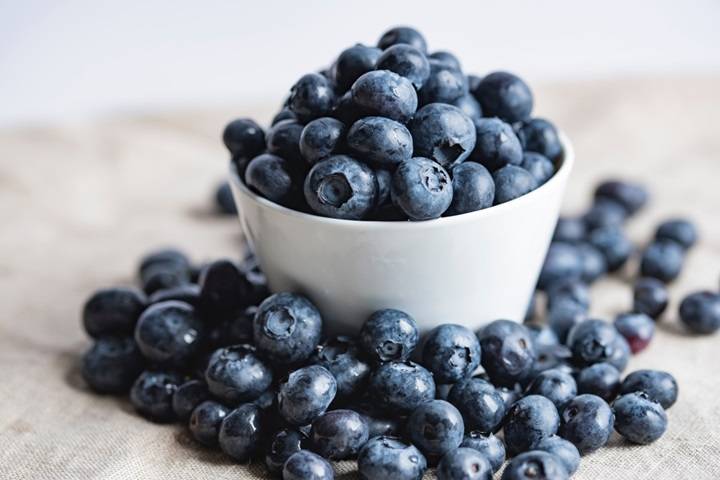
Blue fruits are not just beautiful; they are packed with nutrients. Their deep blue and purple colors come from anthocyanins, powerful antioxidants. These compounds improve heart health, brain function, and fight inflammation. Adding blue fruits to your diet boosts nutrition while adding vibrant color to meals.
Why Are Blue Fruits Special?
Anthocyanins, found in blue fruits, protect cells from damage. They support heart health, reduce inflammation, and may lower the risk of chronic diseases. These fruits are also rich in fiber, vitamins, and minerals. Eating them regularly promotes better health and well-being.
Health Benefits of Blue Fruits
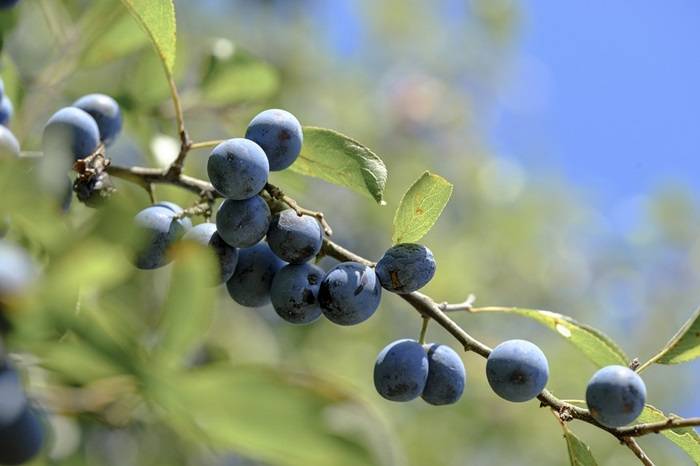
1. High in Antioxidants
Anthocyanins protect cells from damage, slowing aging and reducing disease risk.
2. Supports Heart Health
Blueberries and blackberries lower blood pressure and improve circulation.
3. Boosts Brain Function
Antioxidants in blue fruits enhance memory and cognitive function.
4. Aids in Digestion
Fiber-rich blue fruits support gut health and prevent constipation.
5. Reduces Inflammation
Anthocyanins have anti-inflammatory properties, helping conditions like arthritis.
List of Popular Blue Fruits
1. Blueberries
Nutritional Benefits:
- High in antioxidants and vitamin C
- Improves brain function and heart health
- Lowers cholesterol and blood pressure
2. Blackberries
Nutritional Benefits:
- Rich in fiber and vitamin K
- Supports digestion and immunity
- Strengthens bones and reduces inflammation
3. Elderberries
Nutritional Benefits:
- High in vitamin C and immune-boosting compounds
- Helps fight colds and infections
- Supports cardiovascular health
4. Blue Grapes
Nutritional Benefits:
- Contains resveratrol for heart health
- Rich in fiber and antioxidants
- Reduces oxidative stress and inflammation
5. Blue Figs
Nutritional Benefits:
- High in fiber and natural sugars
- Supports digestion and metabolism
- Rich in calcium and magnesium for strong bones
6. Blue Plums
Nutritional Benefits:
- High in vitamin A and potassium
- Supports digestion and gut health
- Regulates blood sugar levels
7. Haskap Berries
Nutritional Benefits:
- More anthocyanins than blueberries
- Supports eye health and reduces inflammation
- Improves blood circulation
8. Blue Java Bananas
Nutritional Benefits:
- Naturally sweet with a vanilla flavor
- Rich in potassium and fiber
- Aids digestion and muscle recovery
9. Concord Grapes
Nutritional Benefits:
- High in polyphenols and vitamin C
- Reduces inflammation and oxidative stress
- Supports brain function and heart health
10. Damson Plums
Nutritional Benefits:
- High in fiber and antioxidants
- Supports liver function and detoxification
- Helps regulate metabolism
How to Add Blue Fruits to Your Diet

- Smoothies: Blend blueberries, blackberries, or grapes for a nutritious drink.
- Salads: Add blue fruits like figs or plums for a sweet crunch.
- Oatmeal and Cereal: Top with blueberries or blackberries for fiber.
- Desserts: Use in muffins, pies, or cobblers for a natural sweetness.
- Juices and Teas: Make fresh elderberry juice or Concord grape tea.
Nutritional Comparison of Blue Fruits
| Fruit | Key Nutrients | Health Benefits |
| Blueberries | Vitamin C, anthocyanins | Supports brain and heart health |
| Blackberries | Fiber, vitamin K | Aids digestion, strengthens bones |
| Elderberries | Vitamin C, antioxidants | Boosts immunity, reduces inflammation |
| Blue Grapes | Resveratrol, fiber | Improves heart health, fights oxidative stress |
| Blue Figs | Calcium, magnesium | Supports digestion, strengthens bones |
| Blue Plums | Vitamin A, potassium | Regulates blood sugar, supports gut health |
| Haskap Berries | Anthocyanins, vitamin C | Supports vision, reduces inflammation |
| Blue Java Bananas | Potassium, fiber | Aids digestion, muscle recovery |
| Concord Grapes | Polyphenols, vitamin C | Reduces inflammation, supports brain health |
| Damson Plums | Fiber, antioxidants | Supports liver function, metabolism |
Frequently Asked Questions
Are blue fruits healthier than other fruits?
Yes, blue fruits have extra antioxidants that provide additional health benefits.
Do blue fruits taste different?
Most blue fruits are slightly sweet, tart, or have a berry-like flavor.
Can I eat blue fruits daily?
Yes, eating them regularly helps improve overall health.
Where can I buy blue fruits?
Find them at grocery stores, farmers’ markets, or online.
Are frozen blue fruits as healthy as fresh ones?
Yes, frozen blue fruits retain most nutrients and are a great alternative.
Blue fruits are packed with nutrients and offer many health benefits. They are great for brain function, heart health, and digestion. Whether fresh, in smoothies, or baked, these fruits are a simple way to boost your diet. Adding more blue fruits to your meals will improve your overall health while making your plate more colorful.