

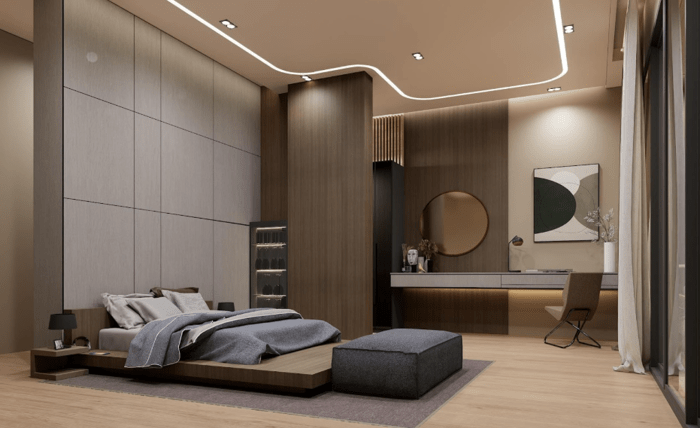
Minimalism is a complete lifestyle shift (not just a design choice) that’s winning over homeowners across the globe. Clean lines, uncluttered spaces, and thoughtful simplicity are replacing the overstimulating chaos of maximalist interiors. As life gets busier and spaces smaller, people are choosing design elements that bring calm, purpose, and clarity into their homes.
This trend isn’t just about having less—it’s about choosing well. Minimalist homes celebrate quality, function, and aesthetics without excess. For those new to this movement, the transition can be perplexing. But with the right updates, you can achieve a modern, refined look without sacrificing comfort.
This article explores some of the most impactful minimalist design trends that can transform your space in a big way.
- Hardwood Flooring: The Minimalist Foundation
When it comes to minimalist homes, flooring isn’t just a surface—it’s a foundation. Hardwood floors are one of the most effective ways to achieve that clean, grounded look. Natural wood brings warmth, texture, and timeless appeal, making it the perfect match for a space that values simplicity. You can opt for light-toned oak, sleek walnut, or a pale whitewashed finish. It’s up to you.
The quality of installation matters just as much as the material. Poor craftsmanship can ruin the clean aesthetic that minimalism relies on. Gaps, uneven boards, or inconsistent stains are noticeable in a space where every detail counts. That’s why it’s important to work with a top hardwood flooring company—professionals who understand precision, symmetry, and the importance of subtlety. A well-installed hardwood floor elevates everything around it, letting your furniture and decor shine.
- Neutral Color Palettes
One of the first things people notice in a minimalist home is the calming atmosphere, and much of that comes from the use of neutral colors. But minimalism doesn’t mean a sea of plain white walls. It’s all about using soft, subtle shades with layered depth. Warm beiges, muted grays, and pale taupes – all of these bring a quiet richness to the space. These tones allow light to flow freely and work well in both small and large rooms. They also serve as the perfect backdrop for furniture, art, and natural materials.
- Statement Lighting with Sleek Forms
Lighting in minimalist interiors does more than provide illumination—it acts as an anchor for the design. Statement lighting with clean, simple forms can serve as a striking visual feature without adding clutter. The key is in the shape and finish. Pendant lights with rounded silhouettes, streamlined chandeliers, or even a single sculptural floor lamp can set the tone of a room.
Materials like matte black, brushed brass, or frosted glass add personality without being loud. And instead of scattering multiple light sources across the room, minimalist lighting often emphasizes quality over quantity. When chosen carefully, one standout light fixture can create mood, highlight architectural features, and define the entire space.
- Built-in Storage Solutions – the Secret-Keepers
A hallmark of minimalist living is a lack of visible clutter. But achieving that calm surface doesn’t mean you own less—it means you store it better. Built-in storage is one of the smartest ways to keep your home tidy and functional. It’s discreet, efficient, and can be seamlessly integrated into your existing architecture.
Floor-to-ceiling shelving units, under-bench storage, and hidden cabinets allow you to maximize space while maintaining visual calm. Unlike freestanding furniture, built-ins don’t interrupt the flow of the room. They blend in, offering the storage you need without competing for attention. This is especially important in smaller homes or open-plan layouts where every inch counts.
- Open Floor Plans That Breathe
Minimalism is deeply connected to the idea of flow (of space and light). Open floor plans encourage that movement by reducing unnecessary barriers between rooms. Instead of separate boxes for cooking, dining, and relaxing, these spaces blend together, creating a more social and expansive environment.
This layout also enhances natural light, which plays a big role in minimalist design. Large windows, fewer walls, and smart furniture placement help reflect and carry light throughout the home.
- Quality Over Quantity in Furniture
In minimalist design, every item should earn its place. The focus shifts from filling a room to curating it. Rather than cramming spaces with multiple pieces, minimalist homes favor fewer but higher-quality furniture items that offer both form and function. The result is a cleaner, more organized space that feels open yet grounded.
A single, well-crafted sofa with clean lines and a neutral tone can define a living area. A solid wood dining table with simple chairs can provide both elegance and utility. Minimalist furniture often features thin legs, smooth edges, and understated textures.
Functionality is key, especially when space is limited. Multifunctional furniture like storage ottomans or expandable tables can offer flexibility without clutter.
- Natural Materials and Textures
Minimalist design may be pared down, but it’s never dull. One way to bring warmth and richness into a minimalist space is through the use of natural materials. Wood, stone, leather, linen, and clay bring depth and organic beauty without overwhelming the design. They help create contrast and interest in an otherwise neutral, simplified room.
For example, pairing a soft linen couch with a raw oak coffee table adds visual texture and a tactile quality. Exposed stone or concrete accents offer a rugged balance to smooth white walls. Even something as simple as a ceramic planter or wool throw can soften the look and make the space feel more inviting. These materials age well and tell a story over time, adding authenticity and personality without adding noise.
- Minimalist Art and Decor
Minimalist homes aren’t devoid of art—they just display it with care. The idea is to treat decor as part of the overall composition, not as an afterthought. This means choosing a few meaningful pieces that reflect personal taste while maintaining visual balance.
Abstract art, black-and-white photography, and monochromatic prints are all popular choices. Sculptural pieces, ceramics, and handmade objects also add a layer of individuality. The key is to allow negative space around each piece so it can stand out without cluttering the room. Even the frames and placement of artwork follow minimalist principles: clean lines, neutral colors, and careful alignment. Less truly is more when it comes to decor.
Minimalism is about more than just reducing clutter. It’s a thoughtful approach to living and designing. Minimalist homes may look simple, but they’re anything but empty. They’re filled with meaning, function, and beauty—carefully edited to make a bold yet quiet statement. Whether you’re updating one room or rethinking your entire space, these trends can help you build a home that reflects who you are and how you want to live.