

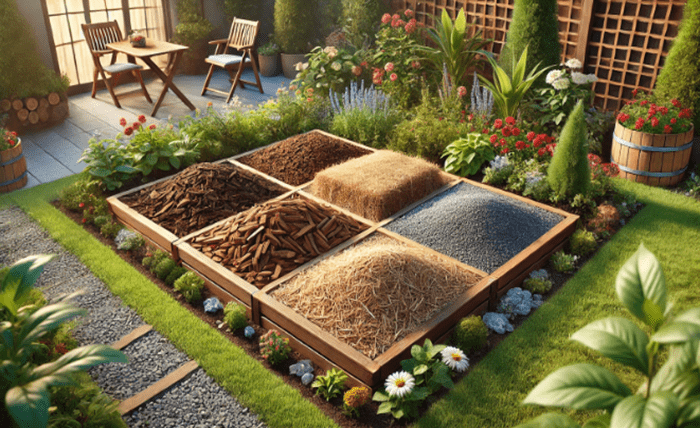
Mulching is a crucial practice for anyone looking to maintain a healthy and attractive garden. Not only does it enhance the aesthetic appeal of your landscape, but it also offers numerous benefits such as moisture retention, weed control, and soil temperature regulation. However, with a variety of mulch types available, choosing the right one for your garden can be overwhelming.
In this blog, we will delve into the pros and cons of different types of mulch to help you make an informed decision that best suits your gardening needs.
1. Organic Mulch
Organic mulch is derived from natural materials such as wood chips, straws, grass clippings, and leaves. Here are some pros and cons of using organic mulch:
Pros:
- Nutrient Enrichment: As organic mulch decomposes, it adds valuable nutrients to the soil, improving soil health and fertility.
- Moisture Retention: Organic mulch effectively retains moisture, reducing the need for frequent watering.
- Weed Suppression: A thick layer of organic mulch can suppress weed growth, reducing competition for nutrients and water.
- Soil Temperature Regulation: It helps regulate soil temperature by keeping it cooler in the summer and warmer in the winter.
Cons:
- Frequent Replacement: Organic mulch decomposes over time, requiring periodic replenishment.
- Potential for Pests: Some types of organic mulch can attract pests such as termites and ants.
- Initial Cost: High-quality organic mulch can be more expensive than inorganic options.
2. Inorganic Mulch
Inorganic mulch comprises materials like gravel, stones, and rubber mulch. Let’s explore the advantages and disadvantages of using inorganic mulch:
Pros:
- Durability: Inorganic mulch does not decompose, making it a long-lasting option that does not require frequent replacement.
- Pest Resistance: Inorganic mulch is not prone to pest infestations, providing a cleaner option for certain landscapes.
- Low Maintenance: Once installed, inorganic mulch requires minimal maintenance compared to organic mulch.
Cons:
- Lack of Nutrients: Inorganic mulch does not provide any nutritional benefits to the soil.
- Heat Retention: Some inorganic materials, especially rubber mulch, can retain heat, potentially harming plant roots during hot weather.
- Higher Initial Cost: The initial investment for inorganic mulch can be higher, although it may balance out over time due to its durability.
3. Living Mulch
Living mulch, also known as ground cover, involves planting low-growing plants such as clover or creeping thyme to cover the soil. Here are the pros and cons of living mulch:
Pros:
- Aesthetic Appeal: Living mulch adds a lush, green look to the garden, enhancing its overall beauty.
- Erosion Control: It helps prevent soil erosion by stabilizing the soil with its root system.
- Biodiversity: Living mulch can attract beneficial insects and pollinators to your garden.
Cons:
- Competition: Living mulch can compete with your main plants for nutrients and water.
- Maintenance: It requires regular maintenance, including trimming and watering.
- Limited Options: Not all plants are suitable for use as living mulch, limiting your choices.
Choosing the right type of mulch depends on your specific gardening needs and preferences. Each type of mulch has its unique advantages and disadvantages, so it’s essential to weigh them carefully before making a decision.
For tailored advice and professional assistance with your mulching and landscaping needs, consider hiring expert landscape contractors. If you have any questions or need further guidance, don’t hesitate to get in touch with us.