

In the world of baking and cooking, ingredients are not always interchangeable without making adjustments. Butter and oil, two common fats used in the kitchen, each bring their own unique qualities to recipes. Sometimes, you may find yourself needing to substitute one for the other, whether due to dietary preferences, availability, or simply to experiment with flavors and textures. Understanding how to convert oil to butter (and vice versa) is crucial for maintaining the integrity of your dishes. This guide will delve into the science behind these ingredients, the conversion process, and practical tips to ensure your recipes turn out perfectly.
Understanding Butter and Oil
Before diving into the conversion process, it’s important to understand the properties of both butter and oil. This knowledge will help you make informed decisions about when and how to substitute one for the other.
What is Butter?
Butter is a solid dairy product made by churning cream or milk to separate the fat from the liquid (buttermilk). It’s composed of about 80% fat, with the remaining 20% being water and milk solids. Butter adds richness, moisture, and flavor to baked goods and savory dishes, and it also contributes to the structure and tenderness of baked products.
Butter’s flavor and texture can vary depending on the type (salted or unsalted), the method of production (cultured or sweet cream), and the quality of the cream used. In baking, butter is often preferred for its ability to create a tender crumb and add a distinct, rich flavor.
What is Oil?
Oil, on the other hand, is a liquid fat that can be derived from various plant sources, including olives, coconuts, canola, and sunflowers. Unlike butter, oil is 100% fat, with no water or milk solids. This pure fat content means that oil generally creates a more tender and moist texture in baked goods.
Different oils have different flavors, smoke points, and nutritional profiles. For example, olive oil has a strong, distinct flavor that works well in savory dishes, while vegetable oil is neutral and versatile, making it suitable for both cooking and baking.
Key Differences Between Butter and Oil
- Fat Content: Butter is about 80% fat, while oil is 100% fat. This difference is important when substituting one for the other, as it affects the moisture and texture of the final product.
- Flavor: Butter imparts a rich, creamy flavor, while oils can range from neutral (vegetable oil) to distinct (olive oil).
- State at Room Temperature: Butter is solid at room temperature, while oil is liquid. This can affect the texture of baked goods and the method of preparation.
- Moisture Content: The water content in butter can add moisture to baked goods, while oil’s lack of water makes for a denser, moister texture.
Why Convert Oil to Butter?
There are several reasons why you might need to convert oil to butter in a recipe:
Flavor Preference
Butter offers a rich, creamy flavor that many people prefer in baked goods like cookies, cakes, and pastries. If a recipe calls for oil but you want the buttery taste, converting oil to butter is a great option.
Texture Considerations
Butter and oil affect the texture of baked goods differently. Butter tends to produce a lighter, more tender crumb, while oil results in a denser, moister texture. Depending on the texture you’re aiming for, you might choose to convert oil to butter or vice versa.
Dietary or Health Reasons
Some people prefer using butter over oil for dietary reasons, such as avoiding certain types of fats. Conversely, others may want to replace butter with oil to reduce saturated fat intake or because they follow a dairy-free diet.
Availability
Sometimes, you might simply be out of one ingredient and need to substitute the other. Knowing how to make this substitution correctly ensures that your recipe still turns out well.
How to Convert Oil to Butter
When substituting oil for butter in a recipe, it’s important to adjust the quantity to account for the differences in fat content and moisture. Because butter is only 80% fat and 20% water, you’ll need to use more butter than oil to achieve the same fat content.
Basic Conversion Formula
The general rule of thumb for converting oil to butter is:
- 1 cup of oil = 1 1/4 cups of butter
This conversion accounts for the water content in butter, ensuring that the fat content in your recipe remains consistent.
Step-by-Step Conversion Guide
- Determine the Amount of Oil in the Recipe: Start by noting the amount of oil the recipe calls for.
- Calculate the Equivalent Amount of Butter: Multiply the amount of oil by 1.25 to get the equivalent amount of butter. For example, if the recipe calls for 1/2 cup of oil, you would use 1/2 cup × 1.25 = 5/8 cup of butter.
- Adjust for Moisture Content: Remember that butter contains water, so the texture of your final product may be slightly different. To compensate, you may need to reduce other liquid ingredients in the recipe by a small amount, especially if the recipe is very sensitive to moisture.
- Melt the Butter (if Necessary): In recipes where oil is mixed in a liquid state, such as in cakes or brownies, you’ll need to melt the butter before adding it to the batter. Allow the melted butter to cool slightly before incorporating it to avoid cooking the other ingredients prematurely.
- Proceed with the Recipe: Continue with the recipe as directed, using your butter substitution in place of the oil.
Examples of Oil to Butter Conversion
Let’s look at some specific examples of how to convert oil to butter in different recipes:
- Cake Recipe: If a cake recipe calls for 1/2 cup of vegetable oil, you can use 5/8 cup of melted butter instead. This will give the cake a richer flavor and a slightly firmer crumb.
- Cookie Recipe: For cookies, if the recipe calls for 1/4 cup of oil, you can use 1/3 cup of butter. The butter will contribute to a more tender texture and a classic buttery taste.
- Muffin Recipe: In a muffin recipe that requires 1/3 cup of oil, substitute with about 7/16 cup of butter (slightly more than 1/3 cup). This will result in a denser, richer muffin with a moist texture.
Special Considerations When Converting Oil to Butter
While the basic conversion formula works for most recipes, there are some special considerations to keep in mind when making the switch from oil to butter.
Baking Temperature
Butter has a lower smoke point than most oils, meaning it can burn more easily at higher temperatures. If you’re substituting butter for oil in a recipe that requires cooking at high heat, you may need to lower the temperature slightly or watch the cooking process more closely to prevent burning.
Impact on Texture
Because butter is solid at room temperature, it can change the texture of your baked goods. For example, cookies made with butter will spread less and have a more defined shape compared to those made with oil. Cakes may have a denser crumb and a richer mouthfeel.
Flavor Considerations
Butter adds a distinct flavor that can enhance many recipes, but it may not be desirable in all dishes. For example, if you’re making a savory dish where the flavor of butter might overpower other ingredients, you might prefer to stick with oil or use a combination of butter and oil.
Dietary Restrictions
If you’re substituting oil for butter in a recipe to make it dairy-free, be aware that you’ll also be changing the fat composition and moisture content. In this case, you may need to experiment with the recipe to find the right balance.
Storage and Shelf Life
Butter has a shorter shelf life than oil, especially at room temperature. If you’re substituting butter for oil in a recipe that will be stored for an extended period (such as baked goods or sauces), be mindful of the potential for spoilage. Refrigeration may be necessary to extend the shelf life of the finished product.
Practical Tips for Oil to Butter Conversion
Here are some additional tips to help you successfully convert oil to butter in your recipes:
Use High-Quality Butter
The quality of the butter you use can significantly impact the flavor and texture of your final product. Choose high-quality, unsalted butter for the best results, especially in baking.
Consider the Type of Oil
The type of oil you’re substituting can also affect the conversion process. For example, olive oil has a strong flavor that may not pair well with certain dishes, while coconut oil can add a slight coconut flavor and different fat composition. When substituting, consider the flavor and properties of the oil in the original recipe.
Experiment with Ratios
While the 1:1.25 conversion ratio is a good starting point, you may need to adjust the amount of butter based on the specific recipe and your personal preferences. Don’t be afraid to experiment with different ratios to achieve the desired texture and flavor.
Combine Butter and Oil
In some cases, you might want to use a combination of butter and oil to get the best of both worlds. For example, using half butter and half oil can provide the rich flavor of butter while maintaining the moist texture that oil offers.
Test Small Batches
If you’re trying a new conversion for the first time, consider making a small test batch to see how the substitution affects the final product. This allows you to make adjustments before committing to a full recipe.
Common Recipes and How to Convert Oil to Butter
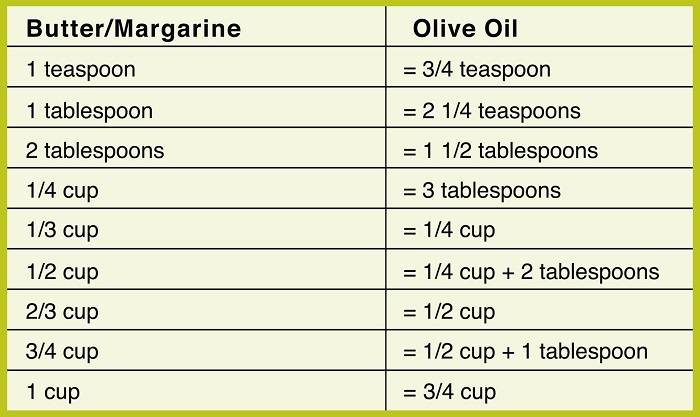
Here’s a look at how oil-to-butter conversion works in some popular recipes:
Brownies
- Original Recipe: 1/2 cup vegetable oil
- Conversion: 5/8 cup (10 tablespoons) of melted butter
- Notes: The butter will add a richer flavor and slightly denser texture. Be sure to melt and cool the butter before adding it to the batter.
Banana Bread
- Original Recipe: 1/3 cup canola oil
- Conversion: 7/16 cup (about 7 tablespoons) of butter
- Notes: The butter will create a slightly firmer crumb, but the banana bread will still be moist and flavorful.
Pancakes
- Original Recipe: 2 tablespoons of vegetable oil
- Conversion: 2 1/2 tablespoons of melted butter
- Notes: The butter will add a rich, buttery flavor to the pancakes, making them extra delicious.
Vinaigrette
- Original Recipe: 1/4 cup olive oil
- Conversion: 5 tablespoons of melted butter
- Notes: This substitution is not recommended, as the solidification of butter at cooler temperatures will alter the texture of the vinaigrette. Stick with oil for dressings.
Chocolate Chip Cookies
- Original Recipe: 1/2 cup of vegetable oil
- Conversion: 5/8 cup (10 tablespoons) of softened butter
- Notes: Butter will give the cookies a classic flavor and slightly less spread during baking.
Related Post:
Dallas Mavericks vs Clippers: Comprehensive Player Stats Breakdown
Unleashing the Game: College Football Odds Spotlight with BetUS Sportsbook
Touchdowns and Triumphs: Ohio State Football’s 2023 Schedule Unveiled!
Understanding how to convert oil to butter is a valuable skill in the kitchen, allowing you to customize recipes to suit your taste, dietary needs, or ingredient availability. While the basic conversion ratio of 1 cup of oil to 1 1/4 cups of butter is a good guideline, the specific recipe and your personal preferences may require some adjustments.
By considering the properties of butter and oil, experimenting with different ratios, and following the practical tips provided in this guide, you can successfully substitute oil with butter in a wide range of recipes. Whether you’re baking a cake, frying up some pancakes, or making a batch of brownies, mastering this conversion will help you create delicious, flavorful dishes every time.