

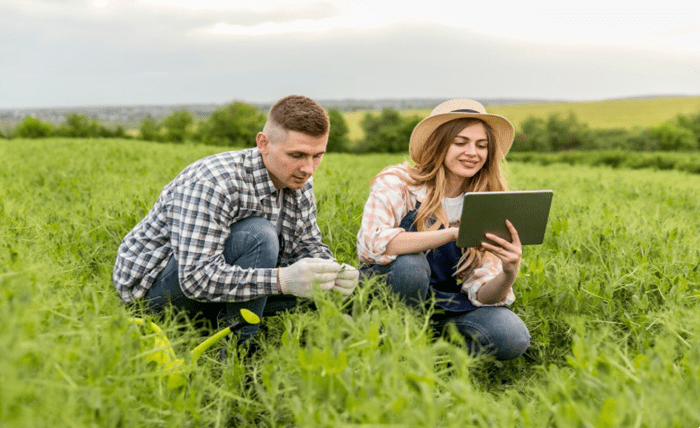
Degraded soil quality and increased pressure to reduce chemical inputs while maintaining productivity are the top challenges in modern agriculture. Among the solutions gaining renewed attention is hemp (Cannabis sativa), a versatile crop with remarkable soil-building properties. When cultivated using feminized cannabis seeds, the plant offers agricultural systems significant benefits beyond its valuable fiber, seed, and CBD yields. This ancient crop is experiencing a renaissance as farmers and researchers discover its exceptional capacity to improve soil health and function effectively within crop rotation systems.
Hemp’s Agricultural Profile
Hemp has been cultivated for thousands of years, with archaeological evidence suggesting its use dating back to 8000 BCE. As an annual herbaceous plant, it grows rapidly, typically reaching maturity in 3-4 months. This quick growth cycle makes it particularly valuable for seasonal rotation strategies. Besides, the plants are notably resilient, adapting to various soil types and climatic conditions..
Key Agronomic Characteristics of Hemp
The plant’s agricultural profile makes it uniquely positioned to support soil health initiatives. The plant develops:
- A robust taproot system penetrating up to 6-8 feet deep;
- Dense lateral root networks exploring the topsoil layer;
- Significant biomass both above and below ground;
- Natural resistance to many pests and diseases;
- Competitive growth habit that suppresses weeds naturally.
These characteristics contribute to the plant’s effectiveness as both a soil-building crop and a valuable component in rotation systems..
Hemp as a Soil Remediation Powerhouse
One of the plant’s most remarkable qualities is its ability to remediate compromised soils, a process known as phytoremediation. Hemp plants can extract and accumulate various contaminants, including heavy metals and certain organic pollutants, effectively detoxifying land affected by industrial activities or excessive agricultural inputs.
Carbon Sequestration Benefits
Beyond remediation, hemp contributes significantly to carbon sequestration efforts:
| Hemp Component | Carbon Storage Mechanism | Time Frame |
| Root System | Deposits carbon-rich compounds in soil | Short to medium-term |
| Soil Microbiome | Enhanced microbial activity increases organic carbon | Medium-term |
| Fiber Products | Carbon locked in durable materials | Long-term (decades) |
| Biochar Production | Stable carbon from pyrolyzed biomass | Very long-term (centuries) |
A single hectare of industrial hemp can sequester approximately 15 tons of CO2, making it more effective than many forest systems on a per-acre annual basis.
Strengthen Soil Structure and Fertility

Hemp cultivation offers numerous benefits for soil physical properties and nutrient cycling. The extensive root system physically breaks up compacted soils, creating channels for water infiltration and air exchange. As these roots decompose after harvest, they leave behind valuable organic matter and a network of soil pores that benefit subsequent crops.
Nutrient Cycling Advantages
Hemp demonstrates efficient nutrient uptake capabilities, particularly for nitrogen and phosphorus. This efficiency makes it an effective catch crop, preventing nutrient leaching between main crop cycles. The plant’s deep root system can access nutrients from lower soil profiles that may be unavailable to shallow-rooted crops, essentially “mining” these nutrients and returning them to the topsoil through biomass decomposition.
Farmers looking to maximize these soil-building benefits often buy feminized cannabis seeds for their hemp crops. Feminized seeds produce primarily female plants, which typically develop more robust root systems and greater biomass than male plants when grown for fiber or remediation purposes. This genetic consistency improves the predictability of crop performance and soil improvement outcomes.
Strategic Integration in Crop Rotation Systems
Incorporating hemp into crop rotation sequences offers multiple agronomic advantages. As a non-grass species, the plant breaks pest and disease cycles that affect cereal crops, reducing the need for chemical controls in subsequent plantings. Its rapid canopy development and allelopathic properties effectively suppress weeds, potentially decreasing herbicide requirements throughout the rotation.
Ideal placement of hemp within rotation systems depends on regional conditions and the specific goals of the farming operation. However, it generally performs well:
- After nitrogen-fixing legumes like soybeans or clover;
- As a transitional crop between cereal rotations;
- Before high-value, nutrient-demanding crops that benefit from improved soil structure.
A simplified four-year rotation might look like: Legume — Hemp — Cereal — Vegetable, though many variations exist based on climate, market conditions, and farm-specific objectives.
Comparative Benefits in Rotation Sequences
Hemp’s contributions to rotation systems compare favorably with traditional rotation crops:
- Unlike corn, it requires relatively moderate nitrogen inputs;
- Compared to sunflowers, hemp generally has fewer bird predation issues;
- In contrast to soy, it provides superior soil structure improvement;
- Unlike many cover crops, hemp offers marketable yields while building soil.
These advantages make hemp an economically viable rotation component that simultaneously delivers soil health benefits.
Final Word on Regenerative Promise
Hemp’s remarkable combination of soil-building properties, adaptability, and productive potential positions it as a valuable tool in the sustainable agriculture toolkit. By incorporating this versatile crop into thoughtfully designed rotation systems, farmers can improve soil health while maintaining productive and profitable operations.
Today, agricultural systems move towards more regenerative and sustainable approaches, and hemp is ready to reclaim its historical importance. As past biases are put aside, the plant is reclaiming its position as a source of valuable fiber and a critical ingredient in building resilient soils for future generations.