

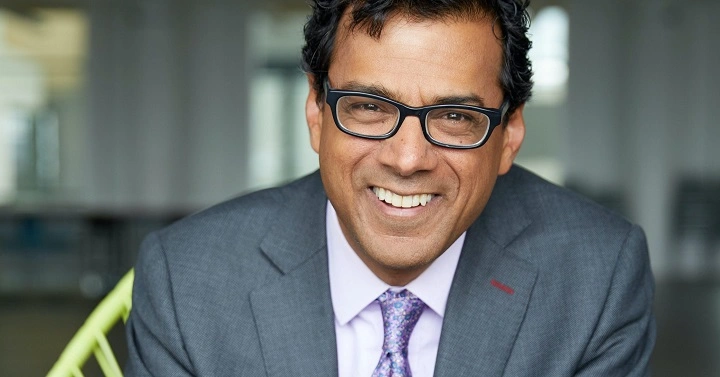
Atul Gawande is a name that resonates deeply in the fields of medicine, literature, and public health. With his distinctive approach to healthcare, thoughtful reflections on human life, and advocacy for meaningful improvements in medical practice, Gawande has made a lasting impact. His work encompasses a range of disciplines, from surgical innovations to public health reforms. This article delves into the life, career, and profound influence of Atul Gawande, touching upon his key achievements and lasting contributions to society.
Early Life and Education
A Formative Journey to Medicine
Atul Gawande was born in 1965 in Brooklyn, New York, to immigrant parents from India. His academic journey began with his undergraduate studies at Stanford University, where he majored in political science. Gawande’s interest in medicine, however, blossomed after his time at Stanford, leading him to pursue a medical degree at the prestigious Harvard Medical School.
Throughout his medical training, Gawande demonstrated an exceptional ability to blend his knowledge of politics and society with the intricacies of healthcare. This unique combination would later define his approach to addressing public health challenges. His dedication to improving both the practice and delivery of healthcare became evident early on and has been the hallmark of his career ever since.
Further Education and Training
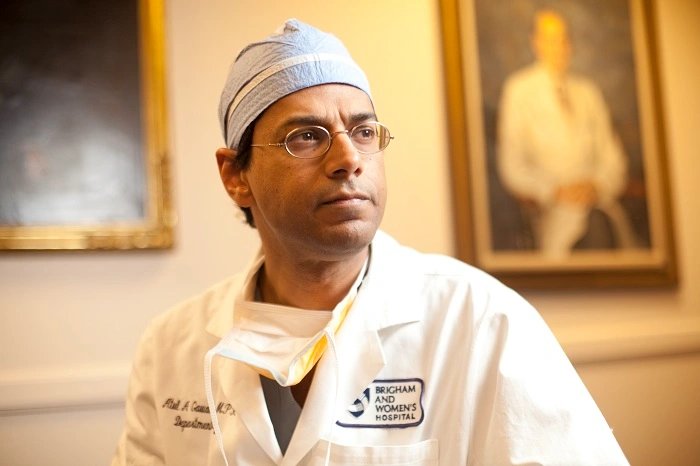
After earning his medical degree, Gawande went on to complete his surgical residency at the Brigham and Women’s Hospital in Boston, Massachusetts, where he still practices as a general surgeon. His deep commitment to advancing the healthcare system through a combination of clinical experience, writing, and advocacy has earned him a respected place in the global medical community.
Atul Gawande’s Books: A Reflection on Medicine and Life
“Complications: A Surgeon’s Notes on an Imperfect Science”
Gawande’s first book, Complications: A Surgeon’s Notes on an Imperfect Science, was published in 2002. In this work, he explores the uncertainties and challenges that surgeons face daily. Drawing on personal stories from his own medical practice, Gawande reflects on the human aspect of medicine—dealing with mistakes, the imperfections in healthcare, and the risks inherent in surgery. The book received widespread acclaim for its honesty and thoughtfulness, offering readers a rare glimpse into the complexities of medical decision-making.
“Better: A Surgeon’s Notes on Performance”
In his second book, Better: A Surgeon’s Notes on Performance (2007), Gawande tackles the concept of performance in medicine. He explores how healthcare professionals can improve their skills and deliver better care. By looking at various aspects of medicine, such as the training process, mistakes, and innovations, Gawande offers insights into how professionals can achieve excellence. The book challenges the status quo, urging readers to embrace continuous learning and improvement.
“The Checklist Manifesto: How to Get Things Right”
One of Gawande’s most influential works, The Checklist Manifesto: How to Get Things Right (2009), introduced the revolutionary idea of using checklists to enhance performance in high-stakes fields such as medicine, aviation, and construction. In this book, Gawande argues that complex tasks can be made simpler and more effective by using simple tools like checklists. His work has been credited with improving safety standards in surgery, reducing errors, and reshaping how professionals approach their work. The concept of checklists has since been widely adopted across various sectors.
“Being Mortal: Medicine and What Matters in the End”
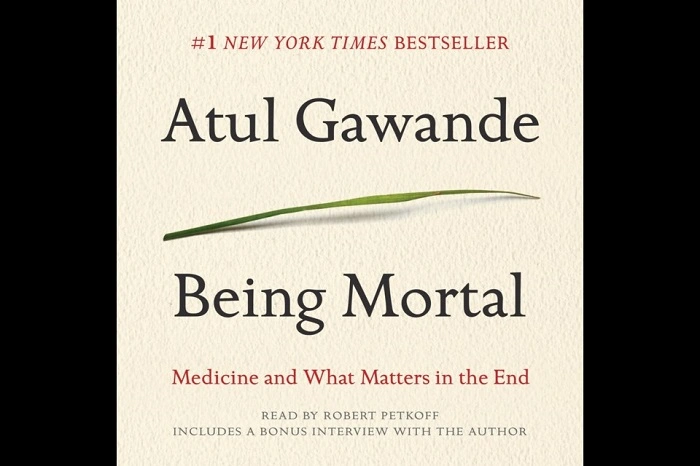
Gawande’s most personal and impactful book, Being Mortal: Medicine and What Matters in the End (2014), addresses the limitations of modern medicine when it comes to end-of-life care. In this book, he explores the role of doctors in helping patients navigate the final stages of life and the importance of prioritizing quality of life over mere survival. The book received widespread praise for its humane approach to death and dying, offering profound insights into how society can rethink its approach to aging and healthcare.
Atul Gawande’s Influence on Healthcare Systems
Transforming Healthcare Delivery
Gawande’s impact extends far beyond the operating room. As a public health advocate, he has worked tirelessly to improve healthcare systems, both in the United States and globally. His work with the World Health Organization and other international bodies has focused on improving access to care and addressing systemic inefficiencies.
One of Gawande’s most notable achievements was his leadership role in the creation of the Safe Surgery Saves Lives program, which sought to improve the safety of surgery in low- and middle-income countries. Through this initiative, Gawande helped establish a global effort to improve surgical practices by implementing simple, low-cost interventions like checklists, which have had a significant impact on reducing surgical complications worldwide.
Promoting Healthcare Equity
Beyond medical safety, Gawande has been a strong advocate for healthcare equity. His work has focused on addressing the disparities in healthcare access and outcomes between different socioeconomic groups. Through his writings and public speaking, Gawande has shed light on how structural changes in healthcare systems can lead to more equitable outcomes for all patients.
Atul Gawande’s Role as a Writer and Public Speaker
A Powerful Voice in Public Health
In addition to his books, Atul Gawande has written extensively for The New Yorker and other major publications. His articles have tackled topics ranging from medical ethics to public health policy, often addressing the intersection of medicine and society. His ability to communicate complex medical issues to a wide audience has made him a trusted voice in the field of public health.
Gawande’s public speaking engagements have further solidified his position as an influential figure. He has delivered TED Talks, keynote addresses, and appeared on numerous panels, discussing topics like medical ethics, patient care, and healthcare reform. His ability to engage with audiences in meaningful ways has allowed him to spread his message of improving healthcare globally.
FAQs
What is Atul Gawande best known for?
Atul Gawande is best known for his work in the medical field, particularly for his contributions to improving healthcare systems and his bestselling books, including The Checklist Manifesto and Being Mortal.
What is the main idea of Being Mortal?
In Being Mortal, Gawande discusses the limitations of modern medicine in dealing with the end of life. He advocates for a more compassionate and humane approach to aging and end-of-life care.
What is the “Checklist Manifesto” about?
In The Checklist Manifesto, Gawande argues that checklists can help professionals in high-stakes fields like medicine to reduce errors, improve performance, and ensure safety.
How has Atul Gawande influenced healthcare worldwide?
Gawande has influenced healthcare worldwide through his advocacy for improved medical practices, including the use of checklists in surgery, and his work on addressing healthcare disparities and promoting healthcare equity.
Has Atul Gawande received any awards for his work?
Yes, Atul Gawande has received numerous awards, including being named a MacArthur Fellow, and his work has been recognized by prestigious institutions like the National Academy of Medicine.
Atul Gawande’s remarkable career as a surgeon, writer, and public health advocate has had a profound impact on the healthcare system. His contributions, particularly his emphasis on quality care, patient safety, and the importance of humane end-of-life care, have reshaped how healthcare professionals approach their work. Through his books, public speaking, and medical practice, Gawande continues to challenge the status quo and inspire improvements in healthcare worldwide.