

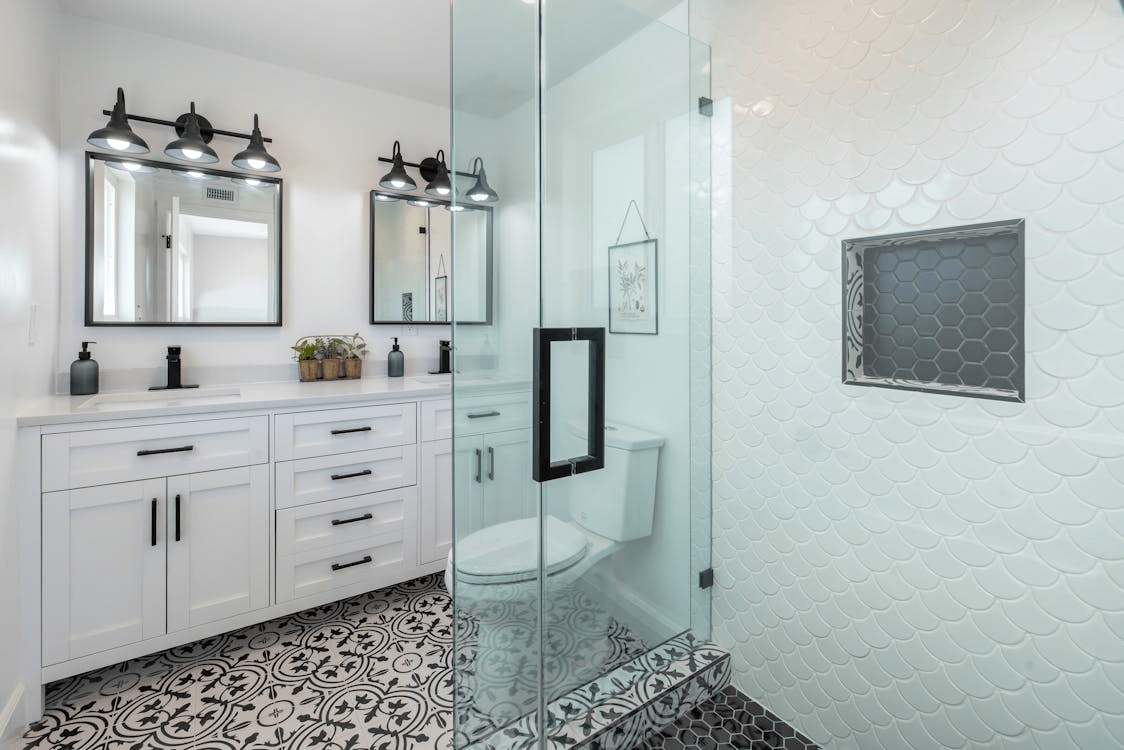
Renovating your bathroom can be one of the most rewarding home improvement projects. A well-planned remodel not only boosts your comfort but also adds value to your property. Yet, behind the fresh tiles and sleek fixtures lies the complex world of plumbing layouts—often overlooked, but absolutely crucial. Without a solid understanding of how your plumbing works and what limitations it presents, you might end up with delays, unexpected costs, or worse, a layout that simply doesn’t function properly. If you’re about to dive into a bathroom remodel, knowing the ins and outs of plumbing is essential.
1. Understanding the Basics of Bathroom Plumbing
Bathroom plumbing revolves around three essential components: water supply lines, drainage systems, and venting. Each plays a vital role in making sure your sink, toilet, and shower work efficiently. The water supply system delivers hot and cold water, while the drain system carries wastewater away. Vent pipes maintain air pressure and allow wastewater to flow smoothly. Understanding how these parts interact helps you make informed decisions when moving fixtures or upgrading systems. Poor planning can lead to clogs, water pressure issues, or even mould growth. Start your remodel with a clear grasp of these plumbing fundamentals.
2. Why Plumbing Layouts Matter in Your Remodel
A plumbing layout determines where each fixture connects to your water supply and drainage. Moving a toilet or shifting a shower by just a metre can mean major changes behind the walls and under the floor. That’s where expert advice makes a difference. If you’re unsure where to begin, reaching out to The Plumber, a trusted name in plumbing services, can give you valuable clarity. Their experience with bathroom remodels helps homeowners avoid expensive mistakes. Planning your layout early saves time, simplifies inspections, and ensures your design dreams don’t clash with physical plumbing limits.
3. Placement of Major Fixtures: Toilet, Sink, and Shower
The location of key fixtures like the toilet, sink, and shower can make or break your bathroom’s functionality. Toilets, for example, require access to a large-diameter drain and proper venting. Moving one usually involves rerouting drain pipes through the floor—a messy and costly job, especially in concrete foundations. Showers and sinks also need carefully angled drainage and venting. Placing fixtures too far from existing lines adds complexity and expense. Before finalising your layout, make sure each fixture can connect efficiently to the plumbing system. That way, you’ll prevent problems like low water pressure and slow drainage later on.
4. Pipe Sizing and Water Pressure Considerations
When it comes to bathroom plumbing, pipe size directly affects water pressure and drainage performance. If your remodel includes adding a new shower or dual sinks, check whether your current pipes can handle the demand. Older homes often have narrower pipes that may not support modern fixtures. Insufficient water pressure turns a relaxing shower into a frustrating experience. Similarly, undersized drain pipes can cause backups or slow water flow. Work with a plumber to assess your existing system and determine if upgrades are necessary. It’s easier to replace or resize pipes during a remodel than to fix issues afterwards.
5. Drainage Slopes and Gravity Flow
Bathroom drainage depends on gravity, which means pipes need the right slope to carry wastewater away effectively. A poorly sloped drain can lead to standing water, clogs, and foul smells. This becomes especially important if you’re relocating a bathtub or adding a walk-in shower. Drain lines should slope at around 1–2% (about 1–2 cm per metre) to maintain smooth flow. Any deviation can cause water to pool or waste to collect in the pipes. Before making layout changes, ensure your floor can accommodate the necessary slope adjustments. Good drainage design prevents costly problems down the line and keeps your remodel running smoothly.
6. Working Around Existing Plumbing Lines
Changing your bathroom layout sounds exciting, but working around existing plumbing can quickly become a challenge. Most homes have fixed plumbing lines hidden beneath floors or inside walls. Ripping these out and installing new ones isn’t only time-consuming—it’s expensive. Instead of redesigning the entire space, try adapting your remodel to suit the current plumbing configuration. For example, keeping your toilet and shower in roughly the same place reduces the amount of rerouting required. A smart layout focuses on function first and aesthetics second. Consult with a professional to determine which changes are practical and which might stretch your budget unnecessarily.
7. Waterproofing and Leak Prevention
Your remodel must prioritise waterproofing, especially in areas around showers, baths, and basins. Even a small leak can cause serious damage over time—rotting timber, promoting mould growth, or weakening walls. The key lies in using proper sealants, high-quality materials, and expert installation. Tiling alone doesn’t make a bathroom waterproof; you need an underlying waterproof membrane. Pipes and joints also require tight sealing to prevent slow leaks. Additionally, install accessible shut-off valves so you can stop water flow in emergencies. Leak prevention isn’t glamorous, but it’s critical. A watertight remodel not only protects your investment but also keeps your home safe and sound.
8. Ventilation and Odour Control
Plumbing isn’t just about water—it’s also about air. Proper ventilation keeps your bathroom free of foul smells and ensures wastewater drains correctly. Vent pipes allow sewer gases to escape and maintain air pressure inside the drainage system. Without them, you might hear gurgling sounds or notice unpleasant odours after flushing or draining water. If your remodel involves moving fixtures, remember to extend or adjust your vent pipes accordingly. Don’t ignore mechanical ventilation either. An efficient extractor fan reduces humidity and prevents mildew buildup. Both air and water need to move properly through your bathroom—get either one wrong and you’ll notice. And if you suspect a hidden blockage while working on your remodel, it’s worth checking how much a sewer camera inspection costs to prevent future drainage issues before closing up walls or floors.
A successful bathroom remodel depends on more than choosing the right tiles or trendy fixtures—it all starts with understanding your plumbing layout. The smartest designs consider water flow, drainage, air circulation, and future needs. Avoid costly mistakes by planning carefully, consulting with experts, and respecting the limitations of your home’s existing systems. With the right approach, you’ll create a space that looks stunning and functions beautifully every day. Remember, great bathrooms aren’t built on guesswork—they’re built on solid planning and thoughtful plumbing. Make every decision count, and you’ll enjoy the comfort and reliability your remodel should bring.