

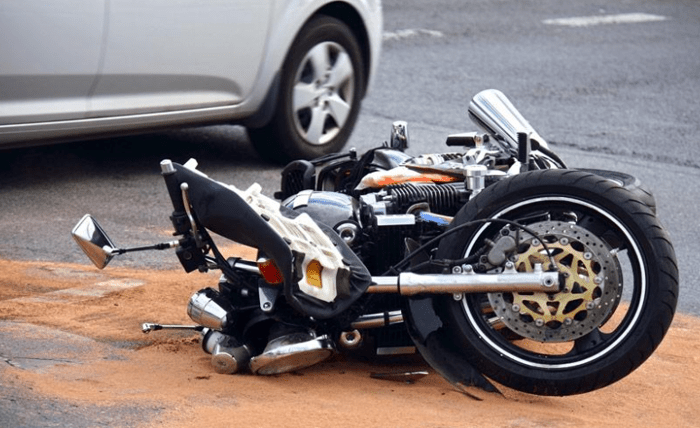
Few injuries sound as deceptively minor as “road rash”—until you’ve seen its aftermath. What starts as a painful scrape can quickly become a deep, infected wound, leaving victims with permanent scars, nerve damage, or even life-threatening complications. For motorcyclists, it’s a grim reminder of how vulnerable they are on the road.
Minnesota sees hundreds of motorcycle accidents every year, with road rash being a common—and often underestimated—injury. From busy urban streets in Minneapolis to rural highways, riders face risks that can turn a routine trip into a medical nightmare. If you’ve been hurt in a crash, experienced motorcycle accident lawyers in Minnesota can help you navigate the legal and medical challenges ahead.
Unlike typical scrapes, severe road rash may require skin grafts, long-term care, and costly treatments. But how does it happen, and what can victims do to protect their rights? Read on to uncover the dangers of road rash—and how to fight back.
What Is Road Rash and Why Is It So Dangerous?
Road rash refers to skin abrasions caused by friction between a person’s skin and the road surface. In motorcycle accidents, this often occurs when a rider is thrown from the bike and slides across pavement or gravel. The extent of the injury depends on the speed, surface texture, clothing worn at the time of the crash, and how long the rider remains in contact with the ground.
Medical professionals typically categorize road rash into three degrees:
- First-degree road rash affects only the outer layer of skin and resembles a mild sunburn.
- Second-degree road rash penetrates deeper, exposing underlying layers and potentially causing bleeding, swelling, and increased infection risk.
- Third-degree road rash is the most severe, stripping away multiple layers of skin and exposing muscle, fat, or even bone.
While minor cases may heal with basic first aid, more serious injuries often require surgical interventions such as skin grafts. Infections, including staph and MRSA, are common complications, especially when debris like glass or gravel embeds in the wound. In some instances, permanent nerve damage or disfigurement can occur.
Common Causes of Road Rash in Motorcycle Accidents
Road rash can result from a variety of crash scenarios, but several patterns are particularly common in Minnesota:
- Loss of control on wet or icy roads during early spring or late fall.
- Sudden stops or rear-end collisions, often caused by drivers failing to notice motorcycles in time.
- Left-turn accidents, where oncoming cars fail to yield to a motorcycle going straight.
- Gravel or uneven pavement on rural highways, increasing the chance of skids or rollovers.
These incidents frequently result in a rider being ejected from the motorcycle and dragged along the road surface, causing significant abrasions.
Legal Considerations and Compensation
In Minnesota, injured motorcyclists are not covered under the state’s No-Fault Insurance Law (Minn. Stat. § 65B.48), which means they must pursue compensation from the at-fault party to recover medical costs, lost wages, and other damages. Unlike drivers of motor vehicles, motorcyclists must meet different insurance requirements and cannot access personal injury protection (PIP) coverage through their own policies.
This places a greater burden on the injured rider to prove fault and document the extent of their injuries. Compensation in road rash cases may include:
- Medical expenses (including future treatments like reconstructive surgery)
- Lost income and reduced earning capacity
- Pain and suffering
- Emotional distress, particularly in cases of disfigurement
If another driver’s negligence caused the crash, such as distracted driving, failure to yield, or speeding, the rider has a legal right to pursue a personal injury claim.
In cases involving dangerous road conditions, a government entity may be liable under Minnesota’s Tort Claims Act (Minn. Stat. § 3.736) if it can be shown that poor road maintenance or failure to warn of hazards contributed to the accident. However, these claims are subject to strict notice requirements and damage caps, making them more complex to navigate.
Protective Gear and Its Legal Implications
Minnesota law does not require all riders to wear protective gear. Only motorcyclists under the age of 18 and those with instructional permits are legally required to wear helmets (Minn. Stat. § 169.974). There’s no mandate for protective clothing like armored jackets or pants, but wearing them significantly reduces the risk and severity of road rash.
While lack of protective gear doesn’t bar an injured rider from filing a claim, it may affect the outcome. Under Minnesota’s comparative fault system (Minn. Stat. § 604.01), compensation can be reduced if the rider is found partially responsible for the severity of their injuries—for example, by not wearing gear that could have minimized the damage.
What to Do After a Motorcycle Accident That Causes Road Rash
Taking the right steps after a motorcycle accident can make a significant difference—not only for your physical recovery but also for any legal claim you may pursue. Here’s what victims should prioritize:
1. Seek Immediate Medical Attention
Even if the wound seems minor, road rash can worsen quickly if left untreated. Deep abrasions may not bleed much initially but can hide serious tissue damage or embedded debris. Prompt medical care also creates a documented record of the injury, which is critical for any legal proceedings.
2. Preserve Evidence
If possible, take photographs of the scene, your injuries, and any damage to your motorcycle or gear. Note the weather conditions, road surface, and traffic signs. If witnesses are present, collect their contact information. These details can help establish the cause of the crash and support your claim.
3. Avoid Cleaning the Wound on Your Own
Attempting to clean deep abrasions yourself can introduce bacteria or worsen the injury. Let medical professionals handle wound care and monitor for signs of infection. Keep all medical records, prescriptions, and follow-up appointments organized.
4. Report the Accident
File a police report, even for seemingly minor crashes. An official accident report can help confirm details about fault and contribute to the strength of your personal injury case.
5. Notify Your Insurance Company
Even though motorcycle riders in Minnesota don’t have access to No-Fault benefits, reporting the crash to your insurer is still important. They may be involved in handling property damage claims or coordinating with the at-fault party’s insurer.
6. Keep Track of All Expenses and Impacts
Road rash can lead to missed work, medical bills, and emotional stress. Maintain a record of lost wages, out-of-pocket expenses, and how the injury affects your daily life. This documentation is crucial for calculating fair compensation.
Final Thoughts
Road rash may sound like a surface-level injury, but its effects can reach far deeper—physically, emotionally, and financially. For Minnesota’s motorcyclists, the risks on the road are real and recurring, especially when accidents are caused by someone else’s negligence or unsafe road conditions.
Understanding the seriousness of road rash, the legal landscape surrounding motorcycle injuries, and the steps to take after an accident can help victims regain control in the aftermath. The road to recovery may be long, but with the right medical care, documentation, and support, healing—both physical and legal—is possible.