

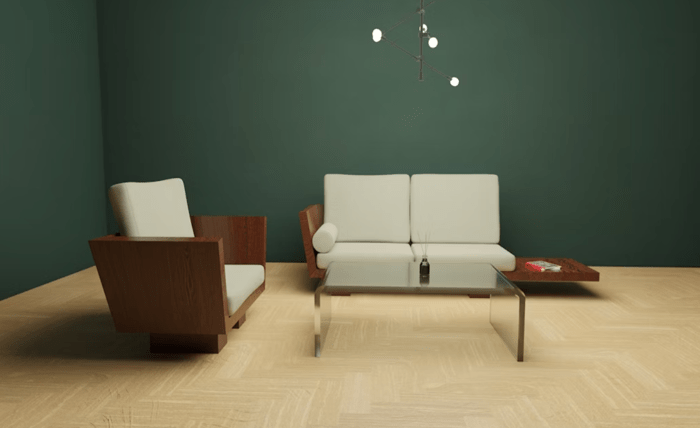
When Marie Kondo burst onto the scene a decade ago, we were charmed by her “sparking joy” mantra. The decluttering doyenne inspired us to clean up our homes and lives.
Before Kondo was Hideko Yamashita. The 70-year-old may have never achieved the Netflix-induced fame that Kondo experienced. But Yamashita is credited with initiating the decluttering movement in Japan.
Although they base their philosophies on the same Zen principles (finding balance, appreciating imperfection, and seeking tranquility), their approaches vary.
Using the Danshari method, Yamashita tells The New York Times that she encourages her clients to think about their attachment to items. To examine what overabundance and obsession do to their emotional states.
Tied into that ideology is preventative (or preventive) minimalism. The approach is a way of living that focuses on maintaining a calm, clear place before chaos has the chance to settle in. It’s minimalism with foresight, and it’s as practical as it is peaceful.
Start Small, Think Ahead
You don’t have to declutter your entire home in one breathless weekend. Be More With Less notes that starting small, like one drawer, one surface, one category, makes the process gentler and more sustainable.
Preventative minimalism begins with these little victories, because when you address small messes early, they never grow into overwhelming ones.
Habits That Keep Clutter Away
Decluttering once is nice; keeping it that way is better.
Homes & Gardens content editor Chiana Dickson writes that the most organized people rely on daily habits. It translates to putting things back immediately, doing quick end-of-day resets, and resisting the urge to let “just for now” items linger on counters.
One of the simplest preventative habits? Designate clear, easy-to-reach homes for frequently used items. When your keys, glasses, or favorite notebook have a “place to live,” they’re less likely to go wandering.
Design as a Preventive Tool
Many people think that minimalism is about what you own. What it comes down to is how your home works for you.
IQI Concept describes minimalist interiors as intentional, functional areas where every object serves a purpose.
Invest in pieces that last, choose furniture with hidden storage, and arrange your rooms so they naturally encourage tidiness. For example, a slim bench with baskets underneath can catch shoes and bags before they migrate deeper into the house.
Preventive Minimalism Outdoors
Clutter isn’t an indoor problem; it shows up outside too, in the form of leaves, dirt, and seasonal debris. Sometimes, it’s out of our hands. Mother Nature has a way of tossing lawn chairs across the yard and stuffing gutters full.
With climate change bringing stronger winds to many parts of the U.S., places like Greenville County, South Carolina, felt it firsthand when Hurricane Helene’s 90 mph gusts caused major damage. Roofs and gutter systems in downtown Greenville were decimated within minutes.
Had residents brought in Greenville, SC, gutter guard installers, the cleanup costs and admin nightmare could have been prevented.
The smart preventative upgrade is an ideal example of minimalism beyond aesthetics. It’s about removing not just physical clutter, but recurring chores from your life.
SureFlow Gutters recommends hiring a professional for gutter installation, repair, and seasonal upkeep.
Lessons from Japan
The Muji House showroom in Tokyo perfectly showcases preventative minimalism.
Every room is airy and uncluttered. More importantly, the design makes clutter almost impossible. Open shelving encourages thoughtful curation, sliding doors hide workspaces when not in use, and neutral tones create a visual calm.
The interiors don’t expressly look minimalist; they’re built to stay that way.
Japandi: Calm That Lasts
Preventative minimalism and Japandi style go hand in hand. The Seattle Times explains, Japandi blends Japanese minimalism with Scandinavian warmth, creating homes that are clean-lined yet inviting.
Natural materials, simple furniture, and nature-inspired palettes make rooms easier to maintain. A pale wood table won’t demand constant polishing. A low-clutter layout reduces dusting and cleaning, keeping your space peaceful with minimal effort.
Build in Breathing Space
Preventative minimalism is anything but rigid. It’s about leaving room, both physically and mentally. IQI Concept explains that empty surfaces and open spaces create a sense of freedom and clarity.
In practice, that might mean intentionally leaving a shelf half-empty, or resisting the urge to fill every wall with art. This is about giving your eyes and your mind places to rest.
Mastering preventative minimalism is like tending a garden: you don’t wait for weeds to take over; you pull the small ones as they appear.
Whether choosing Japandi simplicity or installing gutter guards to protect your home without seasonal effort, the principle remains the same.