


Changing a catheter bag may seem like a daunting task. But in reality, it may be rather easy. You always need to maintain proper hygiene to prevent infection.
Below, you will find all of the information needed for changing a catheter bag.
What Is a Catheter Bag
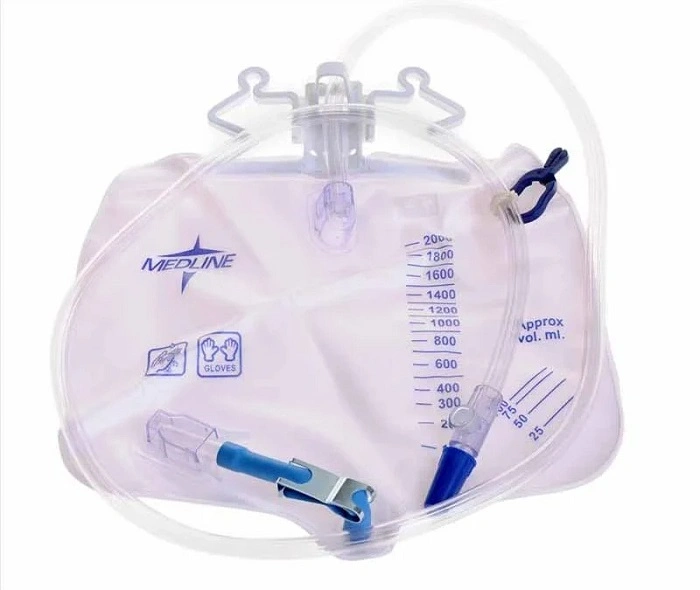
A catheter bag is a bag that is used to collect the urine that drains from the body through the urinary tract. There are two kinds of bags:
- The day bag/leg bag
- The night bag/large bag
The bags are connected by a tube that needs to be emptied and changed on a regular basis.
It is always important to follow the bag emptying and changing schedule to prevent complications.
When Should You Change a Catheter Bag
It is important to always consult with your doctor or nurse about bag changing instructions, and to follow the manufacturer guidelines. Bags generally need to be changed:
- From the leg bag to the night bag on a daily basis
- From a drainage bag if the bag is worn or damaged
- From a bag if it still smells bad after cleaning
- Bags also often have a specific schedule for when they should be changed
It is best to try and avoid using a bag that is worn as much as possible.
Supplies You Will Need
It is important to have all of the following supplies within reach when you are going to change bags:
- Clean bag
- Soap
- Warm water
- Alcohol wipe
- Clean towel
- Gloves (optional)
- Waste bag
How to Change a Catheter Bag
Below is a list of the most basic steps that need to be followed when changing a bag:
- Wash your hands
Before touching a catheter, drainage bag, or anything else related, be sure to wash your hands. Do it with warm water and soap. - Empty the bag if it has urine in it
If you are emptying a bag that you will be changing, empty the bag into the waste bag. Close the valve to the drainage bag. - Disconnect the drainage bag from the catheter
Make sure you do not touch the open ends. - Cleanse the connection site if necessary
If you need to, you can clean the connection site with an alcohol wipe before connecting a new bag as your doctor may have instructed you to do so. - Attach a new clean bag to the catheter
Attach the bag and make sure that the connections are secure. - Position the bag as instructed
Always make sure the bag is positioned lower than the level of your bladder. - Wash your hands again
Once you are done, be sure and wash your hands again.
How to Use a Leg Bag
When you are going to use a day bag or leg bag, you will need to attach it to your leg with the provided strap. Avoid twisting the bag. Have some slack in the strap for comfort. Always remember to empty the bag before it becomes too full. Or this can cause discomfort.
It is also important to empty the bag regularly. So it does not weigh you down.
How to Use a Night Drainage Bag
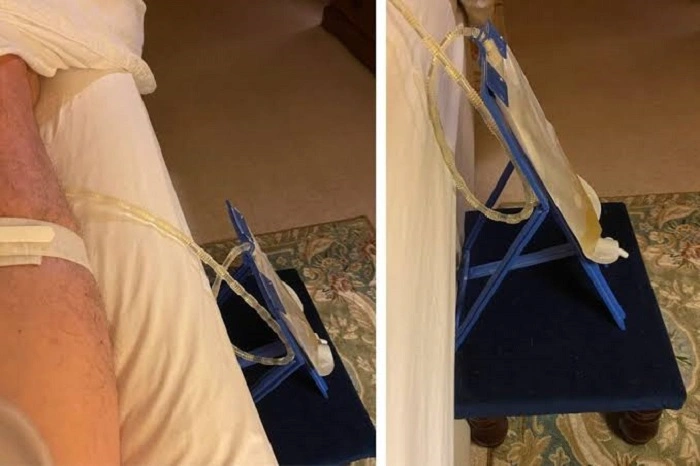
With a night drainage bag, you will need to make sure it is placed comfortably below the level of the mattress, but not on the floor. A night bag is generally slightly bigger and allows you to sleep comfortably while your urine drains into it. It is also important that the bag is in a position where the tubing does not twist, and the urine flows freely without being blocked.
Also Read: Haircuts For Men Over 40: Modern Stylish And Low Maintenance Ideas
Cleaning Reusable Bags
Some bags are intended to be used more than once. If your bag is meant to be reused, and your doctor has instructed you to do so. Then you will need to make sure you empty, rinse and dry it correctly.
Common Mistakes
Avoid making all of the following mistakes when changing bags:
- Not washing your hands
- Touching the connection site unnecessarily
- Keeping the bag higher than the level of your bladder
- Allowing the bag to get too full
- Using bags with damaged tubing
- Ignoring bag leakage
Proper hygiene reduces the possibility of infection.
When To Contact a Healthcare Professional?
If you:
- Have a fever
- Have smelly or cloudy urine
- Have blood in your urine
- Are experiencing excruciating pain
- Are having trouble urinating
- Are having fluid coming out of your catheter
- Experiencing redness or swelling near your catheter
If any of these situations occur, you should contact a medical professional immediately. They may signal infection or other complications. You should always contact them if you believe something is wrong.
Helpful Tips When Changing Bags
Below are some of the most helpful tips when it comes to changing bags. When possible, you should always:
- Drink plenty of fluids
- Keep the tubing from twisting
- Empty the bag when needed
- Change the bag when needed
- Always wash your hands when emptying or changing a bag
Simple things such as these will help to ensure that a catheter bag is comfortable and hygienic.
Understanding how to change it is an important part of bag care. An individual can prevent infection and maintain a healthy flow of urine by maintaining these. People should always contact a healthcare professional if they have concerns or questions about bag changing or anything else.
FAQs
How often should a person change a catheter bag?
A person should change a catheter bag as advised by their healthcare provider, and as stated by the manufacturer of the bag.
Should a person wash their hands?
Yes, a person should always wash their hands before and after changing bags, and before touching a catheter bag in any way.