

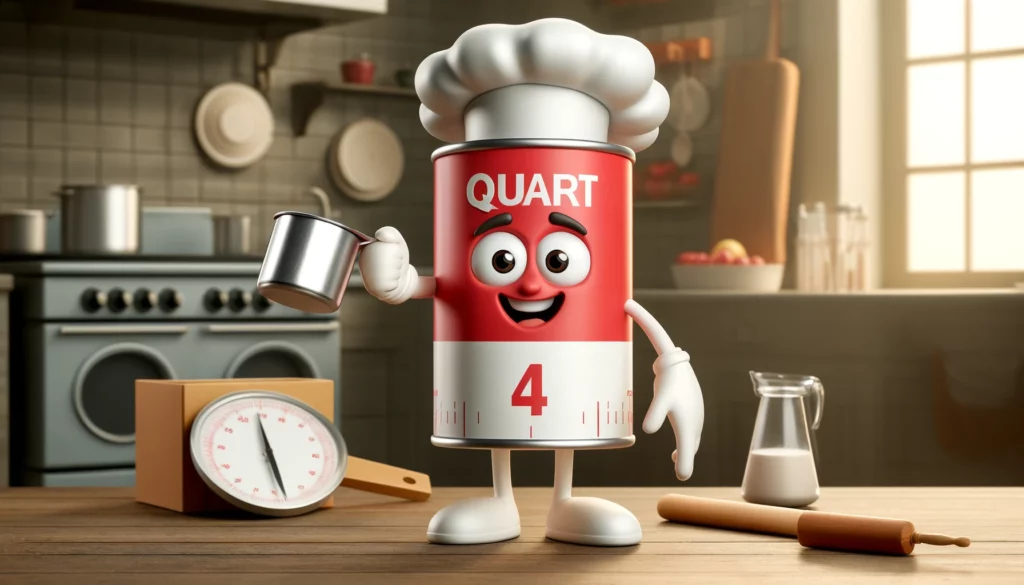
Cooking and baking can be both an art and a science. Precision in measurement is key to achieving consistent and delicious results. One common question that often arises in kitchens is: How many cups are in a quart? This question, while seemingly simple, is a gateway to understanding volume measurements and their conversions. In this comprehensive guide, we’ll explore the answer to this question and delve into the intricacies of kitchen measurements.
Understanding Volume Measurements
Before diving into the specifics of cups and quarts, it’s essential to understand the broader context of volume measurements used in cooking and baking.
Common Volume Measurements
In the United States, volume measurements commonly used in recipes include teaspoons, tablespoons, cups, pints, quarts, and gallons. These measurements are part of the U.S. customary system. Here’s a quick overview:
- Teaspoon (tsp): A small unit of measurement typically used for spices and small quantities of liquids.
- Tablespoon (tbsp): Equal to three teaspoons, used for slightly larger quantities of ingredients.
- Cup: A standard unit of measurement in cooking, equal to 16 tablespoons.
- Pint: Equivalent to 2 cups, often used for measuring liquids like milk or cream.
- Quart: Equivalent to 2 pints or 4 cups.
- Gallon: The largest common volume measurement, equal to 4 quarts.
The Importance of Accurate Measurements
Accurate measurements are crucial in cooking and baking for several reasons:
- Consistency: Ensuring the same taste and texture every time you prepare a dish.
- Chemical Reactions: Precise measurements are vital for chemical reactions, especially in baking, where incorrect amounts can lead to failed recipes.
- Nutrition: Accurate measurements help maintain the nutritional value of a dish, which is essential for health-conscious cooking.
How Many Cups Are in a Quart?
The answer to the question, “How many cups are in a quart?” is straightforward: there are 4 cups in a quart. However, understanding this conversion in the context of the broader measurement system is important for practical application in the kitchen.
Conversions Between Cups and Quarts
Here’s a simple conversion chart to help you visualize the relationship between cups, quarts, and other measurements:
- 1 Cup = 8 Fluid Ounces
- 2 Cups = 1 Pint
- 4 Cups = 1 Quart
- 8 Cups = 2 Quarts = 1/2 Gallon
- 16 Cups = 4 Quarts = 1 Gallon
Understanding these conversions can simplify many tasks in the kitchen, from scaling recipes up or down to making substitutions when you’re out of a particular measuring tool.
Practical Applications in the Kitchen

Scaling Recipes
Scaling recipes up or down is a common task in the kitchen. Knowing how many cups are in a quart can help you adjust recipes accurately. For example, if a soup recipe calls for 2 quarts of broth and you want to make half the recipe, you’ll need to know that you need 4 cups of broth.
Measuring Liquids and Solids
Different ingredients require different measuring techniques. For liquids, use a liquid measuring cup, which is typically made of glass or clear plastic with a spout for easy pouring. For dry ingredients, use a set of dry measuring cups, which are designed to be filled to the top and leveled off.
Substitutions and Adjustments
Sometimes, you may need to make substitutions or adjustments based on the ingredients you have on hand. Knowing the basic conversions can help you substitute ingredients without compromising the integrity of the recipe. For example, if a recipe calls for 1 quart of milk and you only have cups, you’ll know to use 4 cups of milk.
Tips for Accurate Measurement
Use the Right Tools
Using the correct tools for measuring is crucial. Liquid measuring cups are designed for accuracy with liquids, while dry measuring cups are meant for solid ingredients. Using the wrong type of measuring cup can lead to inaccurate measurements and inconsistent results.
Level Off Dry Ingredients
When measuring dry ingredients, it’s important to level them off with a straight edge, such as the back of a knife. This ensures that you’re using the correct amount and not packing in extra, which can throw off the balance of your recipe.
Check Measurements at Eye Level
For liquid measurements, check the measurement at eye level to ensure accuracy. This helps avoid parallax error, which can occur when you’re looking at the measurement from above or below the line.
Use a Kitchen Scale
For the most accurate measurements, especially in baking, consider using a kitchen scale. Measuring by weight is often more precise than measuring by volume, and many professional bakers prefer this method.
Exploring Other Measurement Systems
While the U.S. customary system is commonly used in the United States, other parts of the world use the metric system for measurements. Understanding how these systems relate can be useful, especially when working with international recipes.
Metric System Conversions
In the metric system, volume is typically measured in milliliters (ml) and liters (L). Here’s how some common U.S. measurements convert to metric:
- 1 Teaspoon = 5 Milliliters
- 1 Tablespoon = 15 Milliliters
- 1 Cup = 240 Milliliters
- 1 Pint = 480 Milliliters
- 1 Quart = 960 Milliliters
- 1 Gallon = 3.8 Liters
Using Conversion Charts and Tools
Conversion charts and digital tools can help you easily switch between measurement systems. Many kitchen scales have both U.S. and metric units, allowing you to measure ingredients accurately regardless of the recipe’s origin.
Common Measurement Mistakes and How to Avoid Them
Even with a solid understanding of measurements, mistakes can happen. Here are some common pitfalls and tips to avoid them:
Mistaking Volume for Weight
Remember that volume and weight are not interchangeable. A cup of flour weighs less than a cup of sugar, for example. Always use the correct type of measurement specified in the recipe.
Improper Tool Use
Using the wrong measuring tools can lead to inaccurate measurements. Ensure you have a full set of both liquid and dry measuring cups and use them as intended.
Not Adjusting for Ingredient Type
Different types of ingredients can require different measurement techniques. For example, flour should be spooned into the measuring cup and leveled off, while brown sugar should be packed tightly.
Related Posts:
- Love Is Blind Season 4: A Deep Dive into the Romance, Drama, and Surprises
- A Clash of Titans: Real Madrid vs. Manchester City – A Rivalry Rooted in History and Ambition
- Cocaine Rehab | A Comprehensive Guide to Recovery
Understanding how many cups are in a quart is a fundamental aspect of mastering kitchen measurements. Whether you’re scaling a recipe, making substitutions, or simply trying to achieve consistent results, knowing your measurements is key. With the right tools, techniques, and a bit of practice, you’ll be able to measure ingredients accurately and enhance your cooking and baking skills.
So, the next time you find yourself wondering about conversions, remember: there are 4 cups in a quart. This simple piece of knowledge opens the door to a world of culinary possibilities, helping you create delicious dishes with confidence and precision. Happy cooking!