

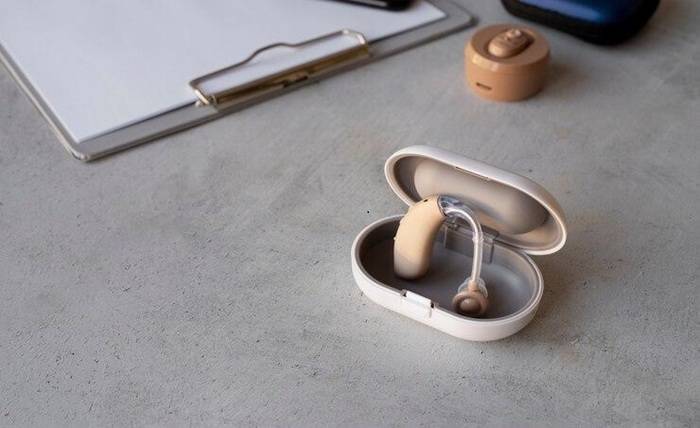
Hearing loss can be a difficult thing to endure, from making personal connections to simple conversations. For many Malaysians going through it for the first time, the search for better hearing starts with hearing aids.
These little but mighty devices can change life significantly, but learning to use them takes time, patience, and a little help. For those considering hearing aids. Whether for personal use or a loved one, being familiar with some of the basics and what to expect can be beneficial.
This guide offers simple, easy-to-follow tips specifically designed for first-time hearing aid users in Malaysia.
From adapting to the device’s technicalities to keeping it in top condition, this guide helps ensure the best possible experience with improved hearing.
Understanding How Hearing Aids Work
Before diving into usage tips, it’s helpful to understand how hearing aid’s function. Hearing aids are electronic instruments used to magnify sound.
They include a microphone that captures sound, an amplifier that magnifies the sound, and a speaker that transmits the amplified sound into the ear. Besides, modern hearing aids are smart and adaptable since they can distinguish between background noises and speech, making conversations clearer even with background noises.
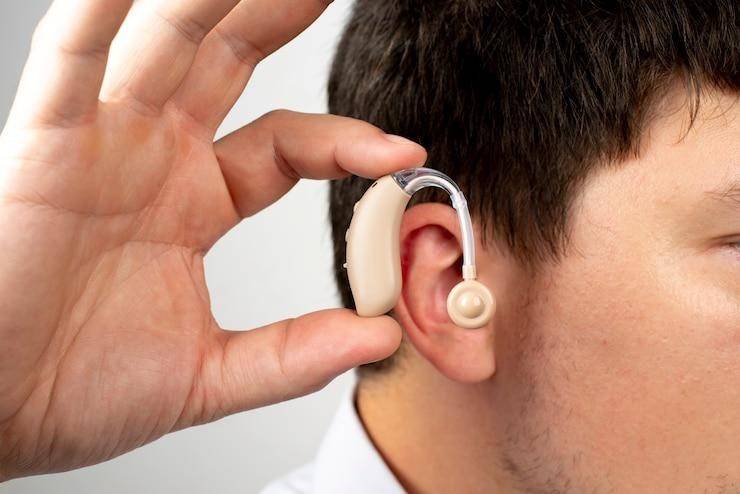
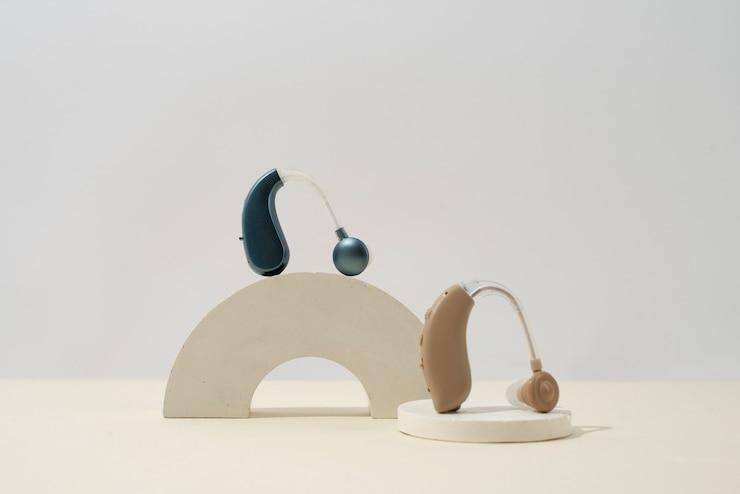
In Malaysia, hearing aids come in various types, such as behind-the-ear (BTE), in-the-ear (ITE), and receiver-in-canal (RIC) hearing aids.
On top of that, most hearing aids in Malaysia offered on the marketplace also include Bluetooth connectivity support, making it simpler for users to synchronize with mobile phones.
Simple Tips For First-Time Users
The following are some simple tips for first-time hearing aid users;
-
Get a Professional Hearing Test First
One of the most important steps for first-time users in Malaysia is getting a professional hearing test before purchasing any hearing aid. This should be conducted by a qualified audiologist or a hearing specialist.
That said, these assessments allow for identifying the type and measure of hearing loss you face. Based on this, the audiologist would be able to prescribe a device that is appropriate for your specific hearing profile.
-
Start by Wearing Your Hearing Aids at Home
Once you obtain your hearing aids, do not assume you will wear them all day, right from day one. A frequent error made by first-time users is rushing to adjust too soon. You are advised to begin with a quiet, comfortable environment, such as within your home.
Start by using your hearing aids for an hour or two a day for everyday activities such as reading, watching television, or conversing with a family member.
This gradual adjustment allows you to relearn how to hear again using an amplifier. Your brain is first retrained using normal noises of everyday life, such as the sound of a fridge humming or papers rustling. This is normal.
Over time, your brain will adjust, and these sounds will become part of your regular auditory background. The key is consistency and a gradual increase in usage.
-
Be Patient With the Adjustment Period
Hearing aids need time to get used to. First of all, new users should set achievable goals. The adaptation will range from a few days to a few week, depending on the sensitivity and the type of hearing loss.
For some people, this adjustment can take several months to feel comfortable.
So, stay positive and patient during this period. Also, avoid comparing yourself to others, as everyone goes through a different adjustment process. Some sounds may be irritating initially, or your voice might seem unfamiliar.
Those are typical concerns and usually improve with continued use and time.
-
Visit Your Audiologist for Follow-Ups
Receiving hearing aids is not a single event. So, you will need a series of follow-up visits with your audiologist, particularly during the initial months of use.
During these visits, your specialist can refine hearing aid adjustments, correct any discomfort, and assist you through the learning process.
Most hearing aid sellers in Malaysia provide a package that includes follow-up services for a year. Hence, be sure to show up for the follow-up.
If you’re having trouble with either volume, fuzzy sound, or discomfort from having it on, your audiologist can tweak it slightly and make a big difference.
-
Practice Listening in Different Environments
Once you are settled at home, try using your hearing aids in several different settings.
Start with relatively quiet environments like a library, a quiet café, or a religious ceremony. Gradually move to harder locations such as busy restaurants, wet markets, or roadsides.
Malaysia’s open areas are noisy and hectic, from noisy evening markets to traffic horns honking within city centers.
These are great learning grounds for improving your ability to listen. Your hearing aids are for support; however, you cannot block all surrounding noises even with them.
Thus, training yourself to focus on individual noises within such areas will enhance general hearing.
If you are using several different settings or features for sound reduction, discuss using them with your audiologist. Furthermore, many newer units allow users to switch between modes depending on the environment, making it more comfortable to deal with different scenarios.
Wrapping Up
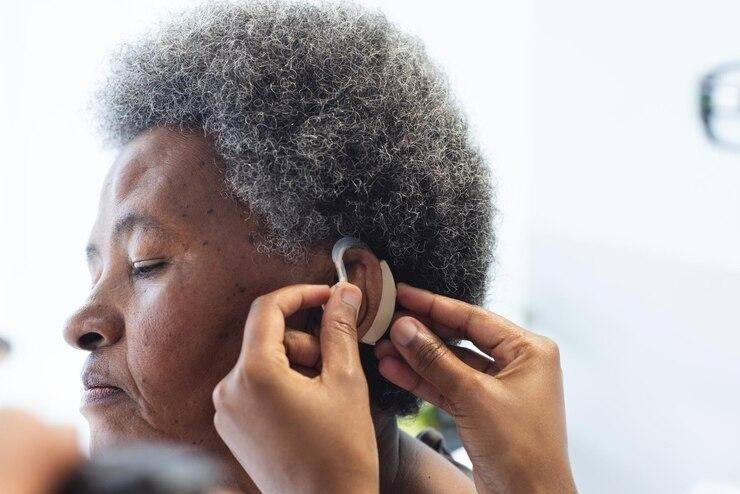
Your first time wearing hearing aids will be scary, but it becomes a life-long transformation with time and sound advice. For Malaysians undergoing this journey, it needs to be broken down into stages—from getting the right diagnosis to learning how to listen in various environments and taking care of the device.
The support from professional audiologists and systems available across the country means that adjusting to hearing aids is not just achievable, but very rewarding.
Better hearing leads to better communication, stronger relationships, and greater confidence.