

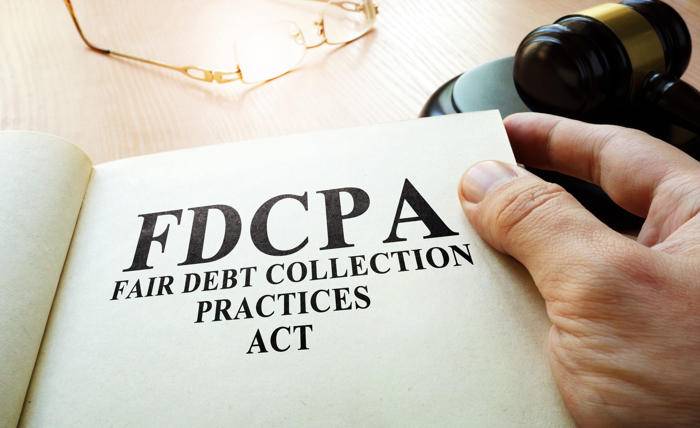
Debt collection is an essential part of the financial system, helping creditors recover funds that are rightfully owed to them. However, debt collection practices can be complicated, and consumer protection laws play a significant role in ensuring fairness throughout the process.
The Fair Debt Collection Practices Act (FDCPA), which was enacted to protect consumers from abusive debt collection practices, lays out clear guidelines on how debt collectors must conduct their activities.
One of the most critical aspects of debt collection under the FDCPA is the FDCPA demand letter. This article explores the legal impact of these demand letters on debt collection practices, highlighting their requirements, implications, and best practices.
What is an FDCPA Demand Letter?
An fdcpa demand letter is a formal communication sent by a debt collector to a consumer who owes a debt. Its primary purpose is to notify the consumer of the debt owed and to provide essential details about their rights under the FDCPA. A well-drafted demand letter serves several functions: it initiates the debt collection process, provides transparency, and ensures compliance with consumer protection laws.
Under the FDCPA, a demand letter must contain specific information, such as:
- The amount of debt owed
- The name of the creditor to whom the debt is owed
- A statement informing the debtor of their right to dispute the debt within 30 days
- The legal consequences of not responding or disputing the debt
The demand letter serves as both a notice and a request for payment, and it must follow all legal requirements to ensure that the consumer’s rights are protected.
Legal Requirements and Compliance
The FDCPA imposes strict legal guidelines on debt collectors regarding the content and delivery of the demand letter. Failure to comply with these rules can lead to serious consequences for the debt collector, including lawsuits, fines, and reputational damage. Debt collectors must ensure that their demand letters contain mandatory language that informs consumers of their rights.
Key Elements of a Compliant FDCPA Demand Letter:
- Amount of Debt: The letter must clearly state the amount of money owed by the consumer.
- Creditor Information: The creditor’s name and contact information must be included.
- Validation Notice: The demand letter must notify the debtor of their right to dispute the debt within 30 days. If the debt is disputed, the collector is obligated to provide verification of the debt.
- Warning of Legal Actions: The letter must outline potential legal actions if the debt is not paid.
These requirements are designed to protect consumers from deceptive, misleading, or unfair debt collection practices.
The Legal Impact of Non-Compliance with FDCPA Guidelines
When debt collectors fail to comply with the FDCPA’s guidelines regarding demand letters, they expose themselves to significant legal risks. Non-compliance can result in fines, lawsuits, and even the dismissal of debt collection efforts.
-
Risks for Debt Collectors
Debt collectors who do not adhere to FDCPA guidelines can face both civil and criminal penalties. If a consumer believes they have received a demand letter that violates the FDCPA, they can file a complaint with the Consumer Financial Protection Bureau (CFPB) or take legal action against the collector.
In such cases, the debt collector may be required to pay damages, attorney’s fees, and other legal costs.
-
Consumer Protection and Legal Recourse
Consumers who receive an improper demand letter can also seek legal recourse. If the letter fails to include the required information or violates the FDCPA in any way, the consumer can file a lawsuit against the debt collector. In some cases, the consumer may be awarded damages and the debt collector may be required to stop the collection process.
The legal consequences of violating the FDCPA are significant, and they underscore the importance of complying with all requirements when sending an FDCPA demand letter.
How FDCPA Demand Letters Affect Debt Collection Practices
FDCPA demand letters significantly impact how debt collectors approach the collection process. The law not only sets the standards for communication but also influences the overall strategy of debt recovery.
-
Influence on Debt Collection Strategies
Debt collectors must adapt their strategies to ensure they follow the FDCPA rules, which often leads to changes in how they initiate contact with consumers. For example, debt collectors must be mindful of the language used in demand letters to avoid making any false statements or threats that could be considered harassment.
-
Effect on Consumer-Collector Relationships
The FDCPA demand letter also affects the relationship between debt collectors and consumers. When demand letters are sent in compliance with FDCPA guidelines, it can foster a sense of fairness and transparency, which may make consumers more willing to cooperate with debt recovery efforts.
On the other hand, violations of the FDCPA can lead to frustration, mistrust, and even legal action, which can prolong the debt recovery process and harm the reputation of the collector.
Potential Challenges for Debt Collectors in Drafting FDCPA Demand Letters
Although the FDCPA provides clear guidelines for demand letters, debt collectors may face challenges in ensuring compliance. Mistakes in drafting or delivering the letters can lead to legal repercussions and hinder debt collection efforts.
-
Common Pitfalls and Mistakes
Some common mistakes debt collectors make when drafting FDCPA demand letters include:
- Vague Language: Failure to specify the amount owed or provide clear information about the creditor.
- Failure to Provide Validation: Not informing the debtor of their right to dispute the debt within 30 days.
- Unclear Consequences: Lack of proper disclosure about what will happen if the debt is not paid.
These mistakes can make the debt collection process more complicated, as they increase the risk of legal action or consumer complaints.
-
Best Practices for Compliance
To avoid these pitfalls, debt collectors should implement best practices, such as:
- Using Clear and Concise Language: Ensure that the demand letter clearly explains the debt and the consumer’s rights.
- Staying Up-to-Date with Legal Requirements: Regularly review FDCPA regulations to ensure that demand letters remain compliant.
- Implementing Technology for Compliance: Many debt collectors use automated systems to manage and verify demand letters, ensuring that all required elements are included and compliant.
By following these practices, debt collectors can ensure that their demand letters are legally sound and help improve their debt collection success.
The Future of FDCPA Demand Letters and Debt Collection Practices
As technology and consumer behavior continue to evolve, so will the strategies and methods used in debt collection. The future of FDCPA demand letters will likely see several changes driven by digital advancements and regulatory updates. Below are some trends and considerations that could shape the future of demand letters and their impact on debt collection practices.
- Increased Use of Digital Communication Channels
The shift to digital communication is accelerating. Debt collectors may increasingly use email, text messages, or online portals to send demand letters, ensuring faster delivery and greater convenience for consumers. - AI and Automation in Drafting Letters
Artificial intelligence (AI) and automation tools will likely play a significant role in drafting and sending FDCPA demand letters. These technologies can help ensure compliance by automatically including required legal language and verifying debtor details. - Enhanced Consumer Privacy Protection
As privacy concerns grow, debt collectors may need to adjust how they handle sensitive consumer data. New regulations may require additional safeguards to protect consumer privacy in the digital space. - Consumer Preferences for Digital Platforms
With the rise of mobile apps and online payment platforms, consumers are increasingly preferring to manage their finances through digital means. Debt collectors may adapt by offering more interactive platforms where consumers can view and dispute debts directly online. - Potential Legal Adjustments for Digital Letters
As digital communication becomes more prevalent, the legal framework surrounding FDCPA demand letters may evolve. New legislation could be introduced to ensure that digital demand letters are treated the same as traditional paper-based letters, ensuring legal protection for both consumers and debt collectors.
As the landscape of debt recovery continues to change, staying ahead of these trends will be crucial for both debt collectors and consumers.
Conclusion
FDCPA demand letters are essential for maintaining transparency in debt collection and safeguarding consumer rights. They ensure that debt collectors follow legal protocols and communicate clearly with consumers, preventing abuse or harassment in the process.
South East Client Services Inc. (SECS) exemplifies these principles by offering digital-first communication and flexible payment options for consumers. With advanced technology and a focus on compliance, SECS helps manage delinquent accounts effectively while maintaining fairness and transparency in debt recovery.