

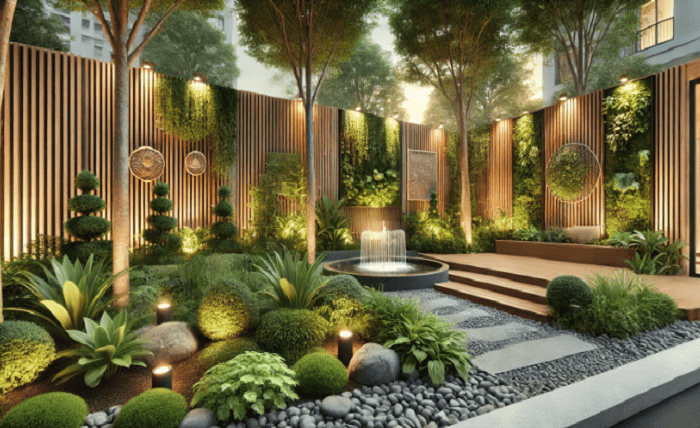
Creating a private outdoor space that combines functionality with aesthetics can significantly enhance the comfort and value of a home. While privacy is often a priority for homeowners, blending natural elements into the design can offer both seclusion and beauty. This approach not only fosters a connection with nature but also supports sustainable living practices. Here, we explore key strategies for designing private outdoor spaces using natural materials and features.
Incorporating Natural Elements for Privacy
Natural elements like plants, trees, and shrubs serve as effective privacy screens while adding texture, color, and depth to an outdoor space. Unlike synthetic screens or fences, these organic materials provide a living, breathing barrier that changes with the seasons, offering dynamic visual interest.
1. Vertical Gardens and Green Walls
Vertical gardens and green walls are excellent solutions for small outdoor spaces or urban environments where space is at a premium. These living walls can be created using a variety of plants such as ferns, succulents, and flowering vines. Not only do they provide privacy, but they also help purify the air and reduce noise pollution. For instance, a vertical garden along a patio or balcony can create a serene oasis amidst the city’s hustle and bustle.
Key Benefits of Vertical Gardens:
- Space-efficient: Ideal for small gardens or patios.
- Aesthetic appeal: Provides a lush, green backdrop.
- Environmental impact: Improves air quality and reduces noise.
2. Layered Plantings for Natural Barriers
Layering different types of plants, from ground cover to shrubs and trees, creates a multi-dimensional privacy screen that is both functional and visually appealing. For example, taller trees like cypress or bamboo can form the outer layer, providing a high barrier, while medium-height shrubs and low-lying ground cover plants create a dense, tiered effect. This approach not only ensures privacy but also supports biodiversity, attracting birds and beneficial insects to the garden.
Hardscape Elements to Define Boundaries
While plants and greenery are central to natural landscape design, hardscape elements such as stone walls, wooden panels, and water features can complement them by adding structure and stability.
3. Natural Stone Walls and Pathways
Natural stone walls are a timeless addition to any garden, providing both privacy and durability. Stones like limestone, sandstone, or granite can be stacked or mortared to create walls that blend seamlessly with the natural environment. Along with walls, incorporating stone pathways helps define spaces within the garden while guiding movement and flow. A well-laid stone path can lead visitors through different garden zones, enhancing the overall experience.
Considerations for Using Stone Elements:
- Type of stone: Choose stones that are locally sourced for sustainability.
- Wall height and thickness: Consider the level of privacy needed and the structural stability required.
- Pathway design: Use curves and natural shapes to create a more organic look.
4. Wooden Screens and Pergolas
Wooden screens and pergolas provide a rustic charm while maintaining a natural appearance. They can be designed with lattice patterns that allow for partial visibility or fully covered for complete privacy. Incorporating timber fencing with climbing plants, such as wisteria or ivy, can further enhance privacy while adding greenery. These structures not only provide shade but also create cozy, defined spaces that are perfect for relaxation or outdoor dining.
Water Features for Tranquility and Sound Barrier
Water features such as fountains, ponds, and cascading waterfalls add a sense of tranquility to any garden setting. Beyond their aesthetic value, they serve as natural sound barriers, masking unwanted noises from nearby streets or neighbors.
5. Designing with Water Features
| Water Feature Type | Description | Benefits | Considerations |
| Fountains | Small water features that can be integrated into any garden design. | Adds movement and sound, creates a focal point, attracts birds. | Requires maintenance, needs a pump and water supply. |
| Ponds | Larger water bodies that can host aquatic plants and fish. | Promotes biodiversity, enhances aesthetic value, cooling effect in hot climates. | Higher maintenance, potential safety hazards for children and pets. |
| Waterfalls | Cascading water features that add dynamic visuals. | Adds soothing sound, masks unwanted noise, visually striking. | Needs proper space and planning, higher installation costs. |
| Streams | Flowing water that mimics natural streams. | Creates a tranquil atmosphere, encourages native flora and fauna. | Requires more space and a continuous water source. |
To maximize the benefits of water features in an outdoor space, consider their placement and scale. A small, bubbling fountain can fit well in a compact garden, while a larger pond or waterfall may be more suitable for expansive landscapes. It’s essential to integrate these features harmoniously with the surrounding natural elements, ensuring that they complement the overall design.
Factors to Consider When Adding Water Features:
- Location: Place water features where they can be enjoyed from multiple vantage points.
- Maintenance: Ensure easy access for cleaning and maintenance.
- Safety: Incorporate safe designs, especially if children or pets are present.
Lighting for Ambiance and Security
Proper lighting enhances both the functionality and aesthetics of outdoor spaces. By strategically placing lights along pathways, near seating areas, and around key landscape features, homeowners can create a warm, inviting atmosphere while ensuring safety.
6. Types of Outdoor Lighting
- Ambient Lighting: Soft, diffused lights for a relaxed atmosphere.
- Accent Lighting: Spotlights to highlight architectural or landscape features.
- Task Lighting: Focused lights for functional areas like outdoor kitchens or dining spaces.
Using energy-efficient options such as solar-powered lights can help reduce the environmental footprint while maintaining a well-lit outdoor area.
Conclusion
Designing private outdoor spaces with natural elements involves a careful blend of greenery, hardscape features, water elements, and lighting to create a harmonious environment. By prioritizing natural materials and integrating sustainable design practices, homeowners can enjoy beautiful, functional, and eco-friendly outdoor living spaces. These thoughtful choices not only enhance privacy and comfort but also support biodiversity and environmental stewardship.