

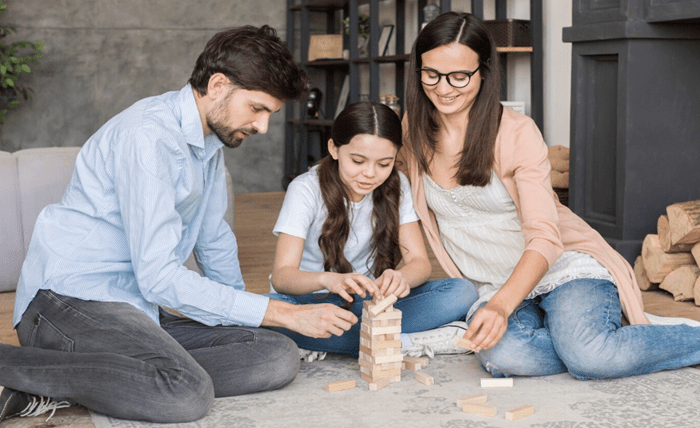
Designing a home that adapts to a family’s changing needs is essential as children grow and lifestyles evolve. Flexible spaces that can serve multiple purposes—such as rooms that transition from nurseries to study areas or guest bedrooms—help accommodate these shifts without requiring costly renovations. Thoughtful layout planning, including open floor plans and adaptable storage solutions, supports everyday living and future changes. This approach maximizes functionality and creates a comfortable environment where each family member can thrive.
Flexibility has become a key consideration in regions where demand for accommodating living spaces is increasing, like in new homes Ohio. Builders and designers focus on creating spaces that grow with families, emphasizing versatility and long-term usability. By incorporating adjustable features and multifunctional areas, these homes provide lasting value and comfort, meeting the dynamic needs of growing households while maintaining a practical and inviting atmosphere.
Layout: Open, Connected, and Private Spaces
Open-concept layouts are popular in modern family home design, offering spaciousness and seamless flow between shared zones. Over half of homebuyers prefer open living spaces for clear sight lines, improved lighting, and communication. However, homes also need to provide solitude and connection. Designing for connection and solitude allows household members to balance togetherness and individual interests. Features like sliding barn doors, pocket doors, and movable partitions help transform open areas into cozy, quiet corners or private offices. Bedrooms spaced apart minimize noise transfers, while dual-purpose nooks offer tucked-away spaces. Entryways with large mudrooms and organizers help manage clutter.
Durable Materials for Daily Life
Houses with kids and pets often require durability, making heavy-duty and low-maintenance materials essential. Kitchens, bathrooms, and hallways are the most wear-prone areas, with quartz countertops and resilient floor materials like vinyl plank and laminate. High-quality, scrubbable paint is recommended for painted surfaces, while cabinet builders recommend soft-close hardware and rounded edges for safety and increased cabinet lifespan. Lastly, brushed metals and matte finishes resist fingerprints and tarnish better than shiny surfaces, saving parents valuable cleaning time. Durable, easy-clean materials keep homes looking fresh.
Outdoor Spaces for Play, Relaxation, and Entertaining
Outdoor spaces provide essential space for families, hosting celebrations and relaxing, and providing a safe space for kids to burn off energy. Outdoor living has become more valuable as families seek fresh air and fun close to home. Functional yard design includes layered landscaping, built-in seating, and thoughtful touches like outdoor lighting, planter beds, and sandboxes. As children grow older, open lawns can transform into swimming pools or vegetable gardens, supporting evolving family interests. Outdoor investment also contributes to property value, making it a smart financial move.
Planning for the Future: Technology and Adaptability
Planning for adaptability involves considering future technology and lifestyle changes for each family member. Smart homes with Wi-Fi-integrated appliances and programmable lighting make daily routines smoother and safer. New homes are often built with future upgrades, such as pre-wired outlets and security systems. Flexibility also applies to room function, with multi-use rooms with movable walls or convertible layouts allowing for seamless adaptation. Families now include first-floor bedrooms, wider doorways, and no-step entries in their home design for long-term accessibility.
Organization: Storage and Smart Solutions
Keeping a growing family organized is an ongoing process, but it’s easier with well-planned, built-in storage. Oversized pantries, ample closets, and cleverly placed cubbies help every family member keep their belongings tidy and accessible. Entryways benefit from benches with storage underneath, rack systems, and key-drop shelves to tame messes quickly. Consider built-in shelving with hidden compartments to hide toys or electronics in family rooms, and under-bed storage in kids’ rooms for off-season clothes or sporting gear.
Thinking about storage for the future pays off, too. As children enter new stages—starting school, picking up hobbies, needing space for homework—the need for additional organization solutions grows. Planning these spaces from the start means fewer renovations later and lets homes adapt smoothly when clutter inevitably grows along with the family.