Creating a solid foundation for your child’s oral health begins well before their first tooth ever appears. Many parents are surprised to learn that dental care should start in infancy—even before that first tiny tooth peeks through the gums. By adopting early oral hygiene practices, you’re setting the stage for lifelong dental health and helping your child avoid painful or costly issues later on.
Even though baby teeth are temporary, they serve essential roles that directly impact a child’s development. Healthy baby teeth aid in clear speech formation, ensure proper chewing and nutrition, and act as placeholders for permanent teeth. If baby teeth are lost too early due to decay or neglect, it can result in misalignment or crowding issues later on. Additionally, dental infections from decayed baby teeth can cause discomfort, affect overall health, and damage the developing permanent teeth beneath.
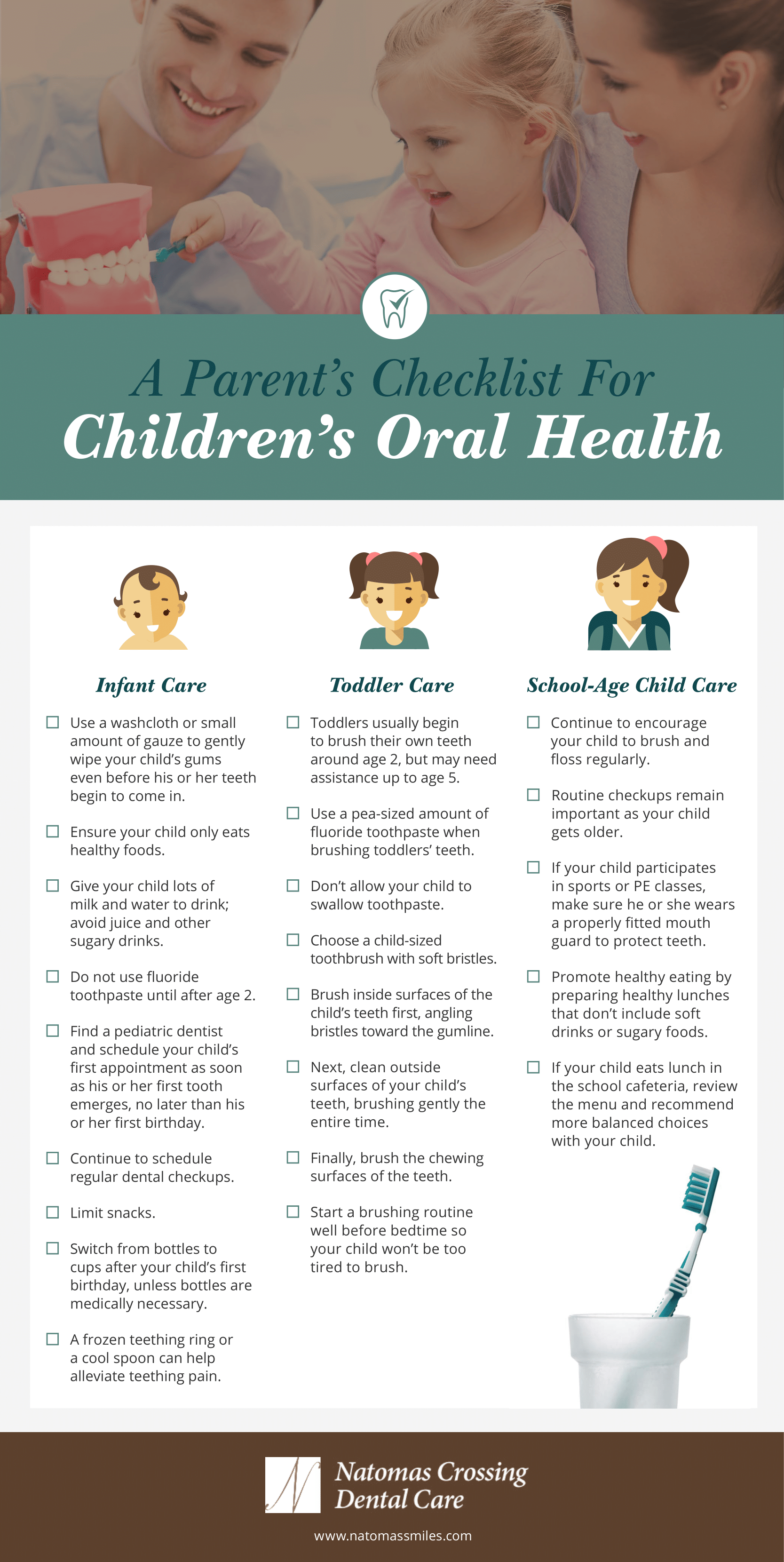
From the time your child is born, you can begin oral care by gently wiping their gums with a clean, damp cloth after feedings. Once the first tooth emerges—usually around six months—it’s time to start using a soft-bristled infant toothbrush and water. As more teeth come in, brushing should become a twice-daily routine.
When your child turns two, you can begin using a small smear (about the size of a grain of rice) of fluoride toothpaste. Fluoride strengthens enamel and makes teeth more resistant to decay, but it’s essential to supervise brushing to prevent your child from swallowing too much toothpaste. As they get older, you can gradually increase the amount to a pea-sized dollop and teach them how to spit it out after brushing. Around this time, you can also introduce flossing once your child has two teeth that touch.
Children often lack the dexterity to brush and floss effectively on their own until around age 6 or 7. Until then, it’s important for parents to assist and supervise brushing and flossing. Using fun toothbrushes, flavored toothpaste, or brushing along with them can make this daily ritual more enjoyable and turn it into a shared habit. Remember: consistency is key, and children thrive on routines.
Once your child begins school, oral care becomes even more critical. Increased independence means more opportunities for snacking and exposure to sugary foods and drinks. It’s essential to educate children about the impact of sugar on their teeth and encourage smart choices. Instead of soda or juice, promote water as the go-to drink. Not only does water keep them hydrated, but it also helps rinse food particles and sugar from the teeth throughout the day.
Diet plays a major role in dental health. A balanced diet rich in fresh fruits, vegetables, whole grains, lean proteins, and calcium-rich dairy products helps support strong teeth and bones. Vitamin D, phosphorus, and vitamin C also contribute to healthy gums and teeth. Limiting processed snacks and sticky candies—and offering healthier alternatives—can significantly reduce cavity risk. You can involve your child in packing healthy school lunches or choosing nutritious snacks at the grocery store, giving them ownership over their choices.
Another critical step in your child’s oral health journey is regular dental visits, starting with their first birthday or within six months of the first tooth coming in. A trusted pediatric dentist is more than a tooth expert—they are trained to monitor development, detect early signs of dental problems, and provide preventive care like fluoride treatments and sealants. Pediatric dentists also know how to speak with children in a friendly, reassuring way, helping them feel comfortable and calm during their appointments.
Finding a Sacramento dentist that specializes in pediatric care and who understands your child’s needs can make all the difference. Look for a practice that prioritizes a child-friendly environment and takes the time to educate both you and your child on best practices for oral hygiene. A strong dentist-parent partnership ensures that your child receives consistent messaging about the importance of dental care.
In summary, promoting healthy dental habits from infancy through childhood can lay the foundation for a lifetime of strong smiles. Brushing twice a day with fluoride toothpaste, flossing daily, eating a tooth-friendly diet, staying hydrated, and scheduling regular checkups are all essential components of maintaining excellent oral health. As a parent, your guidance, encouragement, and commitment will empower your child to take ownership of their dental health and carry those habits into adulthood.
With the right foundation and a proactive approach, you can give your child not just a beautiful smile, but the confidence and health that come with it.