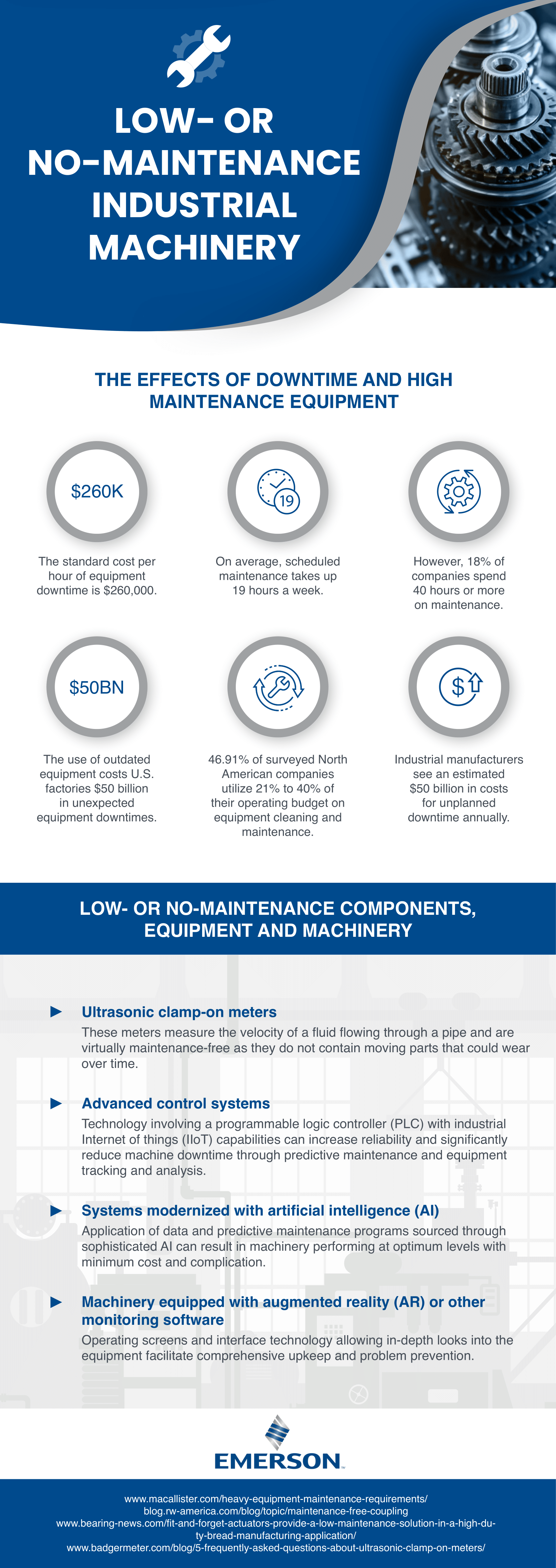
In the industrial sector, downtime isn’t just a temporary inconvenience—it can result in substantial revenue loss, decreased productivity, and long-term wear on brand reputation. As machines are pushed to operate longer hours and at higher speeds, the need for smarter maintenance strategies becomes imperative. Fortunately, emerging technologies and smarter component choices now allow facilities to stay one step ahead of potential breakdowns.
The traditional approach to maintenance, often reactionary and based on visible equipment failure, is being rapidly replaced by more intelligent systems. One area seeing significant innovation is flow measurement. Where once mechanical flow meters were common—and prone to degradation from continuous use—companies are now transitioning to ultrasonic flow meters. These state-of-the-art devices offer a non-invasive and virtually maintenance-free solution. With no moving parts and the ability to be mounted externally on piping, they eliminate many of the issues associated with traditional equipment.
Alongside equipment upgrades, maintenance philosophies are also shifting. Preventive maintenance has long been standard practice, with teams servicing machines at regular intervals regardless of condition. While this method helps avoid major issues, it can lead to unnecessary maintenance, increased costs, and resource waste.
Enter predictive maintenance, a more dynamic and data-driven approach. Through the use of sensors and AI-powered analytics platforms, predictive systems track variables such as vibration, temperature, and output. These tools learn machine behaviors over time, allowing them to accurately forecast failures and provide alerts when attention is genuinely needed. The result is fewer interruptions, lower maintenance spend, and more informed decision-making.
A robust maintenance strategy doesn’t just prevent breakdowns—it supports overall equipment efficiency and lifecycle management. When combined with modern tools like cloud-based asset management platforms and IoT-enabled diagnostics, companies can monitor their entire operations from a centralized interface, making it easier to spot inefficiencies or signs of trouble early.
Ultimately, reducing downtime is not about one single solution. It involves an ecosystem of smart equipment, proactive planning, and advanced diagnostics. Companies willing to evolve their maintenance approach can gain a strategic edge in both performance and profitability.