

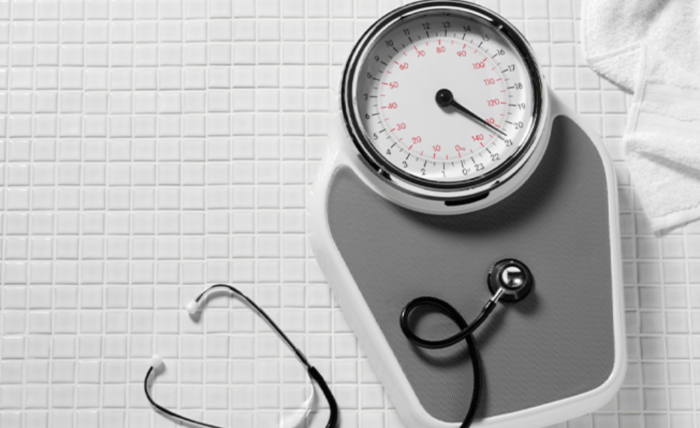
Class 3 obesity, often called severe or morbid obesity, is a serious medical condition that impacts millions worldwide. It’s defined as having a Body Mass Index (BMI) of 40 or higher, or 35 and above, if accompanied by obesity-related health conditions like diabetes or hypertension. Understanding Class 3 obesity is crucial because it affects physical health and significantly influences mental well-being and quality of life.
How is Obesity Classified?
Obesity is classified using the Body Mass Index (BMI), a simple calculation based on height and weight. BMI is divided into categories, from underweight to various levels of obesity:
- Normal weight: BMI 18.5–24.9
- Overweight: BMI 25–29.9
- Class 1 obesity: BMI 30–34.9
- Class 2 obesity: BMI 35–39.9
- Class 3 obesity: BMI ≥ 40
Individuals with a BMI of 35–39.9 and obesity-related conditions, such as heart disease or sleep apnea, are also categorized under Class 3 obesity.
Causes of Class 3 Obesity
Many factors contribute to the development of Class 3 obesity:
- Genetics: Family history significantly affects how your body stores fat.
- Lifestyle Choices: High-calorie diets, sedentary behavior, and stress-related eating often lead to weight gain.
- Medical Conditions: Diseases like hypothyroidism and polycystic ovary syndrome (PCOS) can make weight management challenging.
- Psychological Factors: Emotional eating, often triggered by stress or trauma, can lead to excessive weight gain over time.
Risks and Complications of Class 3 Obesity
Living with Class 3 obesity increases the risk of serious health conditions, including:
- Physical Health Risks: Type 2 diabetes, cardiovascular diseases, joint pain, and sleep apnea.
- Mental Health Challenges: Depression, anxiety, and poor self-esteem due to societal stigma and physical limitations.
- Quality of Life: Limited mobility, fatigue, and daily task difficulties can diminish overall well-being.
Diagnosing Class 3 Obesity
A comprehensive medical evaluation is essential to diagnose Class 3 obesity. Doctors consider BMI, assess health history, and identify conditions like hypertension or high cholesterol. A holistic diagnosis often includes understanding psychological and lifestyle factors contributing to weight gain.
Treatment Options for Class 3 Obesity
Managing Class 3 obesity often requires a multi-faceted approach:
- Lifestyle Changes: Incorporating a balanced diet and regular physical activity.
- Medications: Prescription weight-loss drugs can aid efforts to lose weight.
- Therapy: Behavioral and psychological counselling can help address emotional triggers and establish healthier habits.
Gastric Sleeve Surgery for Class 3 Obesity
For individuals who struggle to lose weight through traditional methods, gastric sleeve Turkey surgery may be an effective option. This procedure involves removing a portion of the stomach and reducing its size to help limit food intake and promote satiety.
- Benefits: Significant weight loss, improved health conditions, and enhanced quality of life.
- Risks: Potential complications include infection or nutrient deficiencies.
- Eligibility: Most candidates with severe obesity-related health conditions have a BMI ≥ 40 or ≥ 35.
How Gastric Sleeve Surgery Supports Weight Loss
- Restriction of Food Intake: With a smaller stomach, your body naturally adjusts to consuming smaller food portions.
- Appetite Regulation: By decreasing the production of ghrelin, the surgery helps to curb hunger.
- Improved Metabolism: Weight loss after surgery can enhance metabolic health, making it easier to sustain long-term weight management.
- Behavioral Shifts: Post-surgery dietary guidelines encourage healthier eating habits, often leading to better overall health outcomes.
Benefits of Gastric Sleeve Surgery for Class 3 Obesity
For individuals with Class 3 obesity, the benefits of gastric sleeve surgery extend beyond significant weight loss. Key advantages include:
- Improved Obesity-Related Conditions: Many patients experience relief from health issues such as type 2 diabetes, hypertension, sleep apnea, and joint pain.
- Better Quality of Life: With weight loss, individuals often gain increased mobility, improved energy levels, and enhanced self-esteem.
- Reduced Risk of Serious Diseases: Achieving and maintaining a healthier weight can lower the long-term risk of cardiovascular diseases, stroke, and certain cancers.
- Quick Recovery Time: As a laparoscopic procedure, gastric sleeve surgery typically has a shorter recovery period than other bariatric surgeries.
Who Qualifies for Gastric Sleeve Surgery?
Gastric sleeve surgery is usually recommended for individuals who meet the following criteria:
- Body Mass Index (BMI): A BMI of 40 or higher or a BMI of 35 or higher with severe obesity-related conditions such as diabetes or heart disease.
- Previous Weight Loss Attempts: Patients should have a documented history of unsuccessful weight loss efforts through lifestyle changes and medical treatments.
- Commitment to Lifestyle Changes: Candidates must be willing to follow a lifelong plan that includes dietary modifications, exercise, and regular medical follow-ups.
Potential Risks and Considerations
As with any surgery, gastric sleeve surgery carries some risks. It’s essential to weigh the potential complications against the benefits:
- Surgical Risks include infection, bleeding, and adverse reactions to anesthesia.
- Nutritional Deficiencies: Because the stomach’s size is reduced, there’s a risk of insufficient vitamin and mineral absorption. Lifelong supplementation is often required.
- Gastrointestinal Issues: Some patients may experience acid reflux, nausea, or vomiting in the months following surgery.
- Weight Regain: While rare, some patients may regain weight if they do not follow dietary guidelines and lifestyle changes.
The Role of Support Systems in Managing Class 3 Obesity
Support plays a crucial role in overcoming obesity. Loved ones, peer groups, and professional guidance can provide the emotional encouragement and practical advice necessary to maintain motivation and stay on track.
Prevention begins early. Educating families about healthy eating, promoting active lifestyles, and advocating for community initiatives like accessible recreational facilities can make a difference.
Despite the challenges, many individuals have successfully managed or overcome Class 3 obesity through personalized strategies and persistence.
Celebrate progress, both big and small, and remember that the journey to better health is unique for everyone. Class 3 obesity is a complex and multifaceted condition, but it’s manageable with the right approach.
If you or someone you know is living with severe obesity, take the first step by consulting healthcare professionals. A healthier and happier life is achievable with support, determination, and the right tools.
Ready to explore your weight loss surgery options? Flymedi makes it easy to connect with top bariatric surgeons worldwide. Start your journey to a healthier you today—visit Flymedi and book your consultation now!