

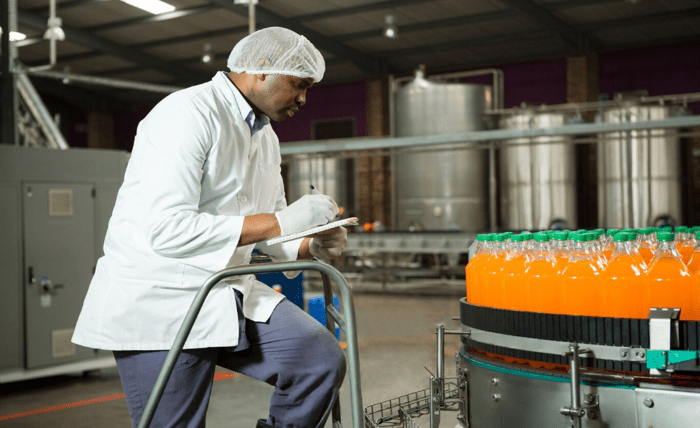
Choosing the right liquid filling machine is a crucial step for any business involved in packaging liquid products. Whether you’re bottling beverages, cosmetics, chemicals, or pharmaceuticals, the efficiency and quality of your production line depend heavily on the filling equipment you select. With a wide range of filling machines available, making the right choice can feel overwhelming. This guide will help you understand the key factors to consider, ensuring you invest in the best bottle filling machine for your needs.
Types of Filling Machines Available
Before purchasing, it’s important to understand the different types of filling machines on the market. The right type depends on your product, production volume, and container types.
- Gravity Fillers: Best for thin, free-flowing liquids like water or juice. These rely on gravity to fill containers, making them simple and cost-effective.
- Piston Fillers: Suitable for thicker or viscous liquids such as sauces, creams, and gels. These use a piston to draw and dispense precise volumes.
- Overflow Fillers: Often used for clear liquids in transparent containers to ensure a consistent fill level.
- Vacuum Fillers: Ideal for carbonated beverages or foaming liquids where maintaining carbonation is important.
Among these, the bottle filling machine is a popular category designed to fill liquid products directly into bottles. You’ll find both manual and automatic liquid filling machines, with the latter offering greater speed and consistency for high-volume operations. Understanding the types available helps narrow down which fits your production line.
Key Factors to Consider When Buying
1. Production Volume
How many containers do you need to fill per hour? This is one of the most important considerations when selecting a liquid filling machine. Small operations might be fine with semi-automatic or manual filling machines, while larger facilities will benefit from high-speed bottling filling machines capable of handling thousands of units per hour.
2. Product Type and Viscosity
Your product’s consistency affects which machine is suitable. Thin liquids like juices or water are easier to fill with gravity or overflow machines. Thicker or viscous liquids like honey, lotions, or sauces require machines like piston fillers that can handle heavier textures without sacrificing accuracy.
3. Container Size and Shape
Different machines handle various container sizes and shapes better than others. For example, some bottle filling machines work best with uniform bottle sizes, while others offer flexibility with quick changeover features. It’s important that your machine can handle your container types without frequent downtime.
4. Accuracy and Speed
The precision of your filling equipment affects product consistency and reduces waste. High-quality filling machines offer adjustable fill volumes and fast cycle times. Depending on your needs, you may prioritize speed over pinpoint accuracy or vice versa.
5. Automation Level
Decide whether you need a manual, semi-automatic, or fully automatic liquid filling machine. Manual machines are budget-friendly and ideal for low volumes, but require more labor. Semi-automatic machines offer a balance, while fully automatic machines optimize speed, accuracy, and efficiency for large-scale production.
6. Ease of Cleaning and Maintenance
Especially if you produce food, beverages, or pharmaceuticals, cleanliness is critical. Look for filling machines with easy-to-clean parts, quick disassembly, and materials compatible with your sanitation requirements. Machines designed for simple maintenance will save you time and reduce downtime.
7. Budget and Scalability
While upfront cost is a big factor, consider long-term value and how your business might grow. Investing in scalable filling equipment can save money in the future by allowing upgrades or integration into larger production lines. Balance your current budget with anticipated growth.
Advantages of Automatic Liquid Filling Machines
For businesses aiming to scale production, an automatic liquid filling machine is often the best solution. These machines deliver consistent fills with minimal human intervention, boosting productivity and reducing labor costs. Thanks to advanced controls, they can handle various liquid types and container sizes, making them highly versatile.
Using a liquid automatic filling machine can significantly reduce errors and product waste, increase throughput, and improve packaging quality. For manufacturers with high output demands, these machines provide a reliable, cost-effective way to stay competitive.
Conclusion
Choosing the right filling machines is more than a purchase—it’s an investment in your product quality and operational efficiency. By understanding your production volume, product characteristics, container types, and desired automation level, you can select a liquid filling machine that fits your business perfectly.
Take the time to evaluate your needs and compare options carefully. The right bottle filling machine will not only streamline your production but also support your growth for years to come.