

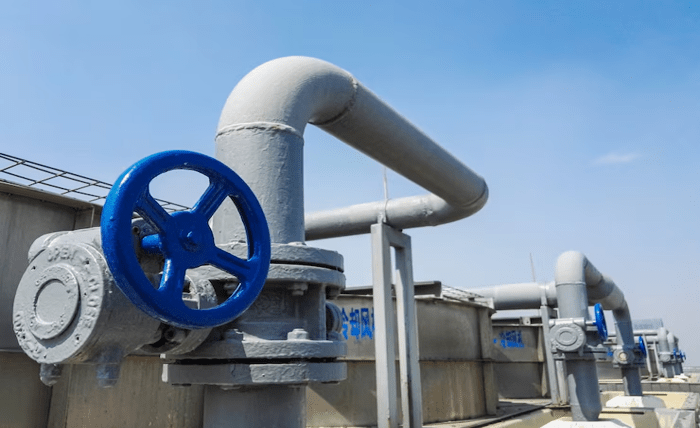
Why do industries rely on certain valves for safe and steady chemical operations?
When it comes to managing chemicals, safety and control are always at the top of the list. Whether it’s a factory mixing different liquids or a plant dealing with sensitive chemicals, choosing the right valve becomes a very important decision.
One type that’s become popular for such jobs is the true union ball valve. These valves have become a go-to option in chemical handling because of how well they manage flow, pressure, and cleanliness.
Let’s understand how these valves are helping chemical applications and why so many industries prefer them for such serious work.
What is a True Union Ball Valve?
This type of valve is specially made to control the flow of liquids and gases. What makes it different from normal ball valves is the true union feature. This means the valve can be removed from the pipeline without disturbing the whole system. In other words, you don’t need to take apart the full piping—just take out the valve, clean it, or replace it, and you’re done. This saves time, avoids mess, and keeps the system in good condition.
Why It Matters in Chemical Handling
In chemical-based systems, things need to be very accurate. Even a small mistake can lead to waste, damage, or even danger. That’s where these valves help. They give better control over the flow, reduce leaks, and keep things running smoothly. In setups that need regular cleaning or part changes, true union ball valves save effort and make the whole process stress-free.
Long Life with Less Maintenance
When dealing with chemicals, the valve’s body needs to handle strong reactions. These valves are made using solid materials like PVC, CPVC, or other strong plastics that don’t react with acids, bases, or other chemicals. This gives them a longer life. Once installed, they don’t need much attention unless the system itself needs an upgrade. This reliability helps avoid frequent shutdowns and keeps productivity high.
Easy Cleaning and Replacement
In industries where cleanliness is necessary, like pharmaceuticals or chemical plants, it’s important to clean parts without creating delays. True union ball valves make this possible. You can open them up, clean them, and fix them back without removing other parts. This also means there’s less downtime, which every company prefers.
Safe Control and Flow Adjustment
These valves help regulate the flow with precision. You can partially open or close the valve to get the exact flow you want. This helps in situations where adding or mixing the right quantity of a chemical is necessary. The round ball inside the valve rotates smoothly, giving a steady response without sudden jumps in flow. This level of control makes chemical operations safer and easier to manage.
Strong Build for Tough Conditions
Chemical environments are often full of heat, pressure, and rough handling. True union ball valves are built to stay strong in such situations. Their materials can handle temperature swings and don’t wear out quickly, even after many uses. So, even if the chemical plant runs day and night, the valve can keep up without creating trouble.
Leak-Free and Tight Sealing
One of the major concerns in chemical systems is leakage. Even a small drip can cause damage. These valves are designed to give a tight seal. Their strong grip ensures there are no leaks, even when the system is under pressure. The sealing components are also made using materials that don’t wear out quickly, which adds extra peace of mind.
Light Weight and Simple Handling
Unlike heavy metal valves, these plastic-based valves are lighter and easier to install. This helps during quick repairs or when a new setup is being installed. It also means the overall piping weight is lower, which can be helpful in butterfly valve systems hanging from ceilings or fitted in tight corners.
Cost-Friendly Choice for Long-Term Use
At first, you might think plastic-based valves aren’t strong enough. But with today’s improvements, these valves offer strong performance at a lower cost. You don’t need to pay extra for maintenance or replacements often. And because you can take them out without disturbing the whole setup, you save money on repair work and labour, too.
Useful in Multiple Chemical Environments
These valves are not limited to one type of plant. Whether it’s a water treatment center, acid-based chemical plant, or even a pool equipment system, they fit in well. Their flexible usage helps industries use the same valve model in different setups without needing separate types for every job. This also makes stocking and spare parts easier to manage.
Clear Flow View with Optional Add-Ons
Some setups may also choose to add a transparent pipe section or use flow indicators along with the valve. This lets the operator visually check if things are moving smoothly. Since true union ball valves are easy to connect and disconnect, adding such features is simple without disturbing the system.
Helps in Emergency Shut-Off Situations
If something goes wrong and the flow needs to be stopped quickly, these valves offer fast response. Just a quick turn, and the flow is cut. This helps reduce the chances of spillage or mixing of wrong chemicals. In emergency cases, every second counts, and having a valve that’s quick to operate is always a plus.
Works Well with Automation
In bigger plants, many systems are automated. These valves can be connected to actuators for remote control. With a button press, flow can be managed without sending someone to the site. This is useful when the pipes are far or in dangerous zones. These smart upgrades work smoothly with true union designs and don’t need major changes in piping.
Final Thought
When choosing valves for chemical work, you need something simple to maintain, safe to use, and long-lasting. True union ball valves check all the boxes. They’re easy to handle, give better control, and help avoid big issues. And with their ability to handle pressure, heat, and chemicals, they become a trusted part of any serious chemical setup.