

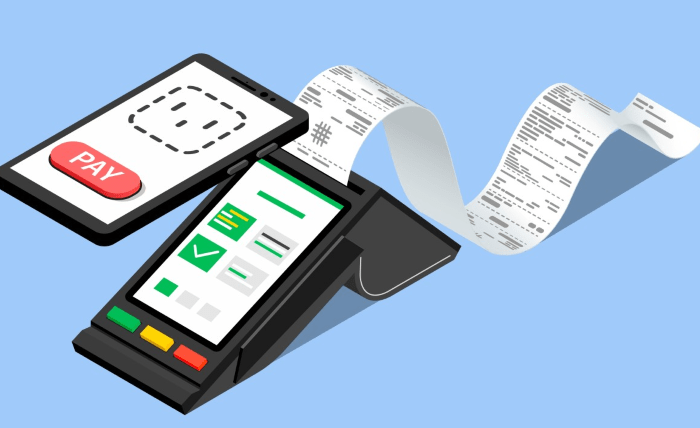
As technology reshapes the way consumers shop, businesses are rethinking how they engage at the point of sale. What was once just a transactional spot is now a hub of customer interaction.
Modern PoS machines do more than just process payments. They can influence perception, enhance convenience and even build long-term loyalty. For many businesses, the PoS machine has become the new frontline of the customer journey.
Let’s explore what that means for retail and service industries.
Redefining the customer touchpoint
The traditional checkout experience involved a simple card swipe or cash exchange. But today’s customers expect speed, flexibility and transparency.
This shift has pushed businesses to upgrade from basic setups to smarter PoS systems that offer multiple functions. These machines now act as the first and last point of meaningful contact between a customer and the brand.
A smooth, intuitive interaction at the counter sets the tone for how customers remember the overall experience.
What’s changed in customer expectations?
Consumer behaviour has evolved with technology. Contactless payments, digital wallets and scan-and-pay options have become popular.
More importantly, people want these options to be available consistently across every kind of store or service.
Here’s what today’s customer expects from a PoS machine:
- Fast checkout without long queues
- Support for cards, UPI, QR codes and mobile wallets
- Accurate and digital receipts
- Simple refund or exchange process
- The option to pay in instalments or use loyalty points
A business that delivers on these expectations stands a better chance of retaining that customer.
A shift towards experience-first retail
In the current climate, customer experience is a bigger differentiator than price. Even small interactions—like how fast a receipt is printed—can influence brand perception.
A modern PoS machine plays a central role in this experience-first approach. By accepting diverse payment methods, it respects customer preferences.
By integrating with loyalty or inventory systems, it creates a sense of professionalism and reliability. This helps customers feel more in control and more likely to return.
How do PoS systems improve business efficiency?
It’s not just about the front-facing experience. PoS systems also simplify backend operations. This dual value is what makes them essential for modern businesses.
Benefits include:
- Automatic sales tracking and daily summaries
- Inventory alerts linked to billing
- Real-time insights on bestselling products or services
- Staff performance tracking
- Integration with accounting software for tax reporting
By saving time on manual tasks, businesses can focus more on service quality and customer relationships.
Embracing multiple payment methods
With digital payments becoming the norm, flexibility is non-negotiable. A good PoS machine supports a wide range of methods, including:
- Chip-and-PIN cards (Visa, Mastercard)
- Contactless NFC cards
- Mobile wallets like Google Pay and PhonePe
- QR codes and UPI
- EMV-based smartcards
- Instalment or EMI payments
Giving customers payment flexibility at checkout reduces drop-offs and increases satisfaction.
Where PoS meets trust and security
One overlooked function of the PoS machine is trust-building. Secure and transparent transactions reduce disputes.
Modern machines use encryption, tokenisation and two-factor authentication to protect customer data.
For customers, knowing that their payment is secure enhances the credibility of the business. On the other hand, for businesses, these features reduce the chances of fraud or chargebacks.
Retail, hospitality, wellness – Who benefits most?
While every business can benefit from smart PoS systems, some sectors are more reliant on them to maintain customer flow.
- Retail stores: Fast checkouts and real-time stock updates.
- Cafés and restaurants: Split bills, tipping options and order integration.
- Salons and clinics: Appointment booking with payment and CRM features.
- Gyms and spas: Recurring billing and membership tracking.
- Kiosks and pop-ups: Mobile PoS machines for quick transactions in tight spaces.
In each case, the machine becomes a service agent, not just a payment processor.
Data is the new advantage
PoS systems collect valuable transactional data. This can be used to personalise customer service, adjust pricing or improve stock decisions.
For example, knowing when your store sees the most transactions can help with staff scheduling. Understanding which products are frequently returned may inform quality checks or restocking priorities.
Businesses that use PoS data effectively create better operational strategies and customer experiences.
The future is integrated and intelligent
Looking ahead, PoS machines will continue to evolve. We’re already seeing systems that support AI-based suggestions, personalised offers and voice-based commands.
The next generation of PoS will be less about the device and more about the ecosystem—seamlessly connected with CRM, inventory and loyalty solutions.
This convergence will make it even more important for businesses to choose their PoS system wisely.
Choosing the right PoS machine for your business
When evaluating options, consider:
- Payment options supported
- Ease of use for staff
- Data analytics and reporting features
- Integration with your current billing or inventory software
- Upfront and recurring costs
- Settlement timelines and customer support availability
It’s not just about price—it’s about how well the system fits your business needs.
Building better interactions, one transaction at a time
As customer journeys get more digital and decentralised, the in-store experience becomes a key differentiator.
A modern PoS machine is no longer just a backend tool. It’s a frontline asset—one that influences trust, satisfaction and loyalty in real-time.
Several brands in India, like Pine Labs, are helping businesses make this shift seamlessly, equipping them with systems designed for smarter customer engagement.
If you are ready to turn transactions into meaningful customer touchpoints then check out their website https://www.pinelabs.com/.