

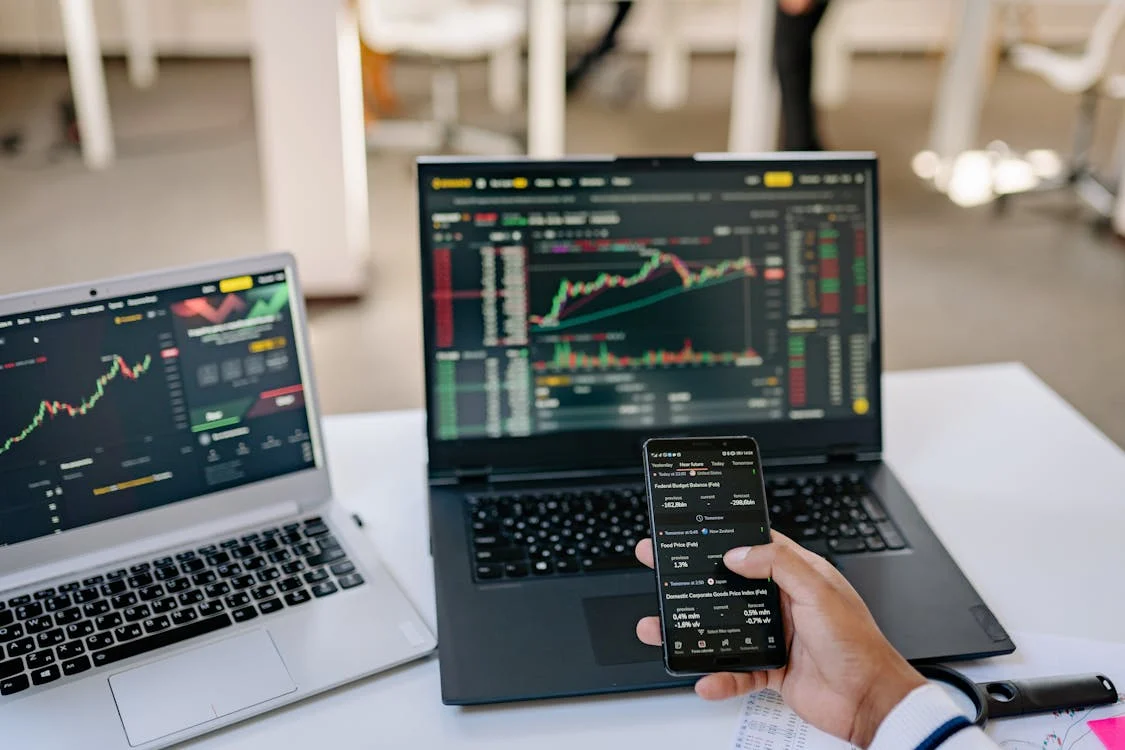
High transaction fees and slow processing times have long been pain points for crypto traders, particularly on Ethereum and other high-demand blockchains. As decentralized finance (DeFi) and on-chain trading continue to grow, these inefficiencies make it difficult for retail traders to compete with larger institutional players. By handling transactions off-chain and bundling them before settling on the main chain, L2 solutions reduce fees while increasing speed and scalability. This guide explores how Layer 2 networks work, how they lower trading costs, and the best ways for traders to leverage them for cost efficiency.
Why Are Crypto Trading Fees So High on Layer 1?
High transaction fees on Layer 1 blockchains stem from network congestion and scalability limitations. For traders engaged in leverage trading, these fees can quickly add up, reducing overall profitability. Ethereum, the leading blockchain for smart contracts and DeFi, often faces heavy traffic, driving up gas costs. This makes Layer 2 solutions essential for reducing fees and improving transaction efficiency in crypto markets.
1. Network Congestion and Gas Fees
When transaction demand is high, the Ethereum network becomes congested, making it more expensive for users to process transactions. This is because Ethereum operates on a gas fee system, where users must pay miners (or validators) to process transactions.
During peak trading hours, gas fees can reach over $100 per transaction, making small trades impractical. In 2021, Uniswap swaps on Ethereum averaged $50 per trade, discouraging retail traders from participating.
Even after Ethereum’s shift to Proof-of-Stake (PoS) in 2022, transaction fees remain high due to network congestion and limited block space.
2. Competition for Block Space and Transaction Prioritization
Another reason for high fees is the way Ethereum processes transactions. Validators prioritize transactions with higher fees, leading to an environment where users must outbid each other to get their trades processed quickly.
As DeFi usage expands, more transactions compete for limited block space, driving fees even higher. Even simple token transfers can cost $10-$20 during periods of high network activity, reducing accessibility for everyday users.
How Layer 2 Solutions Reduce Crypto Trading Fees
To address Ethereum’s scalability and cost issues, Layer 2 networks operate off-chain, bundling transactions before settling them on Layer 1. Instead of each transaction being processed directly on Ethereum’s main net, Layer 2 solutions group transactions together, lowering the cost per user. This efficiency is achieved through several key mechanisms:
- Batch processing allows multiple transactions to be settled as a single entry on Layer 1.
- Lower computation requirements mean that fewer network resources are consumed per trade.
- More available block space reduces congestion, allowing transactions to be completed faster and at a fraction of the cost.
Types of Layer 2 Scaling Solutions and Their Impact on Trading Fees
Different Layer 2 solutions employ unique approaches to optimizing transaction costs, each with varying levels of security, speed, and efficiency. Understanding the distinctions between them helps traders choose the best option for reducing fees.
1. Optimistic Rollups: Efficient Scaling with Delayed Settlement
Optimistic Rollups assume that all transactions are valid by default and only require verification if fraud is suspected. This approach enables high-speed execution while keeping costs low.
- Popular networks:Arbitrum, Optimism, Boba Network
- Fee savings: 50-90% lower than Ethereum Layer 1
- Security model:Inherits Ethereum’s security but relies on a challenge period for fraud detection
Traders benefit from lower fees on swaps and limit orders, but withdrawals to Ethereum’s mainnet take longer due to fraud dispute periods.
2. ZK-Rollups: Low Fees With Instant Settlement
Zero-Knowledge (ZK) Rollups use cryptographic proofs (ZK-SNARKs or ZK-STARKs) to validate transactions off-chain before submitting them to Ethereum. This eliminates the need for fraud challenges, making transactions both cheaper and faster.
- Popular networks: zkSync, StarkNet, Polygon zkEVM
- Fee savings:60-95% lower than Ethereum Layer 1
- Security model:Uses cryptographic proofs for near-instant finality
Traders using Uniswap on zkSync can see fees drop from $20 to under $0.50 per trade, making it ideal for high-frequency trading.
3. Sidechains: Cheaper, but With Security Trade-offs
Unlike rollups, sidechains function as independent blockchains that run parallel to Ethereum. While they offer even lower fees than rollups, they do not inherit Ethereum’s security directly.
- Popular networks: Polygon (MATIC), Ronin, Gnosis Chain
- Fee savings: 80-99% lower than Ethereum
- Security model: Dependent on the sidechain’s validator set rather than Ethereum
For small-scale traders and gamers, Polygon offers transaction costs as low as $0.001. However, security risks remain, as seen in the $620 million Ronin bridge hack in 2022.
How Traders Can Benefit From Layer 2 in 2025
With Layer 2 adoption accelerating, traders can optimize their strategies by leveraging these networks for cost efficiency and faster transactions.
1. Choosing the Right L2 Network Based on Trading Style
The best Layer 2 solution depends on individual trading goals:
- For high-frequency trading:Use ZK-Rollups (zkSync, StarkNet) for instant finality and minimal slippage.
- For DeFi farming and long-term positions:Opt for Optimistic Rollups (Arbitrum, Optimism) due to dApp compatibility.
- For microtransactions and gaming: Sidechains like Polygon provide near-zero fees, though at the cost of weaker security.
2. Managing Risks When Using Layer 2
While L2 solutions significantly reduce trading costs, traders should still be mindful of liquidity risks and potential security vulnerabilities. Check for sufficient liquidity before trading large positions—some L2s have lower volume than Ethereum mainnet. Use well-audited bridges when moving funds between L1 and L2 to avoid security risks.
Conclusion
Layer 2 solutions are revolutionizing crypto trading by making transactions faster and cheaper. With networks like Arbitrum, zkSync, and Polygon leading the charge, traders now have cost-effective alternatives to Ethereum’s expensive Layer 1 fees. By understanding how different L2 solutions work and integrating them into trading strategies, investors can maximize profits while minimizing unnecessary transaction costs—ensuring they stay competitive in an increasingly fast-moving market.