

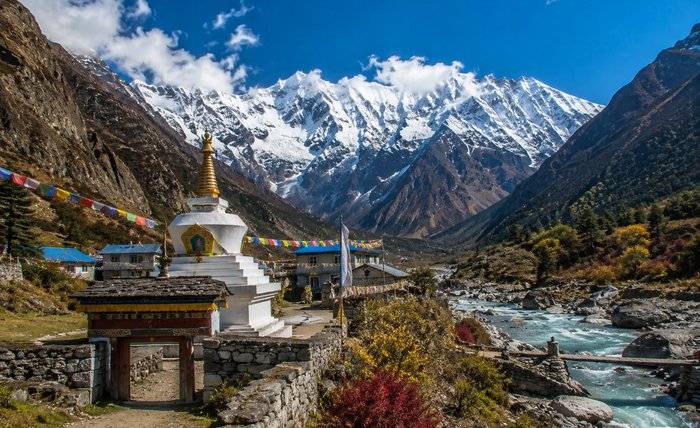
Introduction to the Manaslu Circuit Trek
When planning a trip to the Himalayas, there’s more to consider than just picking a destination. Before heading out on a trek, trekkers must factor in conditions like altitude, weather, physical fitness, permits, and proper acclimatization. A carefully planned trek contributes to safety and allows the group to enjoy the Mountains’ beauty without undue stress or risk.
The Manaslu area is well recognized for its distant trails, stunning mountain landscapes, and traditional Himalayan way of life. The route leads through high-altitude and remote villages, making planning a key ingredient to a successful trek. The Manaslu Circuit is classified as “moderate” to “challenging” due to its long days of trekking, steep climbs, and crossings of high mountain passes like Larke Pass. The trek combines adventure and exploration of culture, taking you from forests to river valleys.
The most crucial part of the preparation for this adventure is to make the right Manaslu Circuit Trek Itinerary that suits your level of fitness, goals in travel, and time schedule. The Manaslu area is well recognized for its distant trails, stunning mountain landscapes and traditional Himalayan way of life. The route leads through high altitude and remote villages, so planning is a key ingredient to a successful trek.
Understand the Trek Before Planning
To successfully create an itinerary, it is imperative that trekkers understand the type of trekking trip they will participate in. The Manaslu Circuit is classified as “moderate” to “challenging” mainly due to its long days of trekking, steep climbs and crossings of high mountain passes like Larke Pass.
The trek combines adventure and exploration of culture. You will travel from forests to river valleys, through suspension bridges and alpine landscapes, and trek through Tibetan-influenced villages. The route reaches high elevations; this is why there must be days for acclimatising while on your journey.
A well-planned balanced itinerary will provide trekkers with a means of preventing altitude sickness and maintaining sufficient energy for the duration of their trek.
Choose the Right Duration for the Trek
The trail takes 12-16 days to hike, depending on how fast one is and the type of travel. Short trips can be hectic and exhausting, while long trips allow for more time to acclimate and explore.
Typically, a well-designed trek will contain:
- Acclimatisation through gradual ascent for safety reasons.
- Elevated Villages with rest/acclimatisation days.
- Flexible walking hours depending on the weather conditions.
- Guest accommodation (overnight) available with adequate facilities.
- Time to experience the culture and nature of the area.
Extra buffer days should also be taken into account, especially in the event of erratic mountain conditions.
Prepare Physically Before the Trek
Physical preparation is an important factor to take into account to complete the trek safely. You do not need to have technical climbing skills to complete the hike; however, you will still need to have the ability and endurance to complete the multiple day high-altitude walk.
There are many activities that can help with your preparation for this hike. Some examples include:
- Hiking or long-distance walking regularly
- Cardiovascular training (running/cycling)
- Strength training (legs/core)
- Loading a backpack and practicing walking with it
- Engaging in outdoor activities regularly to build / improve your stamina
Those who prepare tend to enjoy the experience of completing the trek more comfortably and recover faster throughout their time on the trek..
Pack Smart and Travel Light
Having the right gear can make a huge difference on the trek. The temperature will vary significantly between the low and high villages, therefore layered clothing is strongly recommended.
The following is a list of essentials for trekking:
- Wear insulated jackets and thermal layers to keep warm.
- A waterproof trekking boot that has solid traction.
- A sleeping bag with cold weather properties.A cold weather sleeping bag.
- In addition, stability poles for steep sections.
- Tablets to purify water or reusable bottles.
- Sun protection measures – sunscreen, sunglasses and individual first aid supplies.
Don’t carry too much gear as it can add up to being tiring on long trekking days.
Safety and Acclimatization Tips
One of the major issues in Himawayan trekking is altitude sickness. Any trekking route is safe, in that it will prioritize acclimatization over speed. There are a number of tips to be followed for trekkers to stay hydrated, walk at their own pace and not rush to high altitudes.
The Manasou Circuit Trek Itinerary should provide sufficient rest days, like in Samagaon, where the trekkers can acclimatize with the higher elevation before going up on the higher parts of the trail.
Safety tips:
- Carry plenty of water for the hike!
- Don’t drink alcohol at higher elevations
- Let guides know right away if they are experiencing symptoms of altitude sickness.
- Pay close attention to the weather reports!
- Trek with experienced guides and reliable support staff
High-altitude trekking insurance also is highly recommended.
Planning Your Trek During the Ideal Season
In addition to choosing a reliable trekking company, selecting the right season is one of the most important factors for a successful Himalayan adventure. Understanding the Best Time for Manaslu Circuit Trek can help trekkers enjoy favorable weather, clear mountain views, and safer trail conditions throughout the journey. Spring (March through May) and fall (September through November) are considered to be the premier times to be in this area because there is consistently good weather, mild temperatures, and optimal visibility of the surrounding Himalayan peaks.
While trekking during these periods provides an enhanced overall trekking experience, it also allows visitors to better appreciate the incredible scenery, cultural heritage, and some of the most beautiful villages throughout the region. When combined with proper guidance and planning, choosing an appropriate time of year makes the trek along the Manaslu Circuit even more enjoyable, thus providing a truly awesome adventuring opportunity.
FAQs
What kind of trek is the Manaslu Circuit Trek?
The trek is considered moderately to highly difficult due to factors such as altitude, long days of walking and crossing mountain passes.
How long will it take to complete the trek?
The average length of time for completing the trek is approximately 12 to 16 days depending upon how fast you are able to acclimatize your body to the high altitude.
When should I go on the trek?
Spring and fall are generally regarded as being the best months for going on this type of trek because of better overall weather conditions and fewer potential trail hazards.
Will I need a guide for the trek?
Yes, to trek in the Manaslu region a licensed Trekking Guide needs to accompany you because it is classified as a restricted area by the government of Nepal.
What gear do I need to take with me for the trek?
You will want to have warm clothing, good quality trekking boots, a sleeping bag appropriate for cold weather, trekking poles, a number of water bottles, and basic first aid supplies.