


For decades, most medical recommendations were based on broad guidelines designed to help large groups of people. Today, advances in technology, data analytics, and medical research are making it possible to tailor healthcare decisions to individual needs, lifestyles, and goals.
From wearable devices that track daily health metrics to personalized nutrition plans and genetic insights, people now have access to tools that help them better understand their own health. At the same time, it has become easier to find clinical trials and participate in research that is helping shape the future of personalized medicine. These studies allow researchers to better understand how different individuals respond to treatments, preventive strategies, and lifestyle interventions.
What drives this shift? Let’s take a closer look at the technologies, tools, and research shaping personalized healthcare and explore why the future of medicine is becoming more personal than ever.
Wearable Devices Are Creating a More Complete Health Picture
One of the biggest drivers of personalized healthcare is the growing use of wearable technology. Devices such as smart rings, smartwatches, connected scales, and advanced sleep monitors are helping people gain a deeper understanding of their health through continuous data collection.
In the past, health assessments often relied on occasional doctor visits or annual checkups that provided only a snapshot of a person’s condition at a specific moment in time. Wearable devices offer a different approach by collecting information throughout the day and night, creating a more complete picture of overall health and wellness.
Many of these devices can track metrics such as heart rate, activity levels, changes in weight, sleep quality, recovery patterns, and stress indicators. Over time, this information can reveal trends that might otherwise go unnoticed.
Personalized Wellness Plans Are Replacing One-Size-Fits-All Advice
For many years, health and fitness guidance was built around simple universal targets. People were often encouraged to walk 10,000 steps per day, drink two liters of water, and eliminate fat intake. While these rules provided an easy starting point, they were designed as general benchmarks rather than individualized recommendations. As a result, they did not always reflect differences in age, body composition, activity levels, training goals, or overall health status.
The growing popularity of wearable devices is changing how wellness recommendations are created and delivered. As individuals gain access to more information about their own habits, preferences, and health patterns, personalized wellness plans are increasingly replacing generic advice.
Genetics Is Expanding Personalized Healthcare
Genetic testing is becoming another layer in the shift toward more personalized healthcare, although it is still used selectively and often in combination with other health information. Unlike daily wearable data, which reflects current habits and behaviors, genetic insights provide a longer-term view of inherited traits and potential health risks.
At a basic level, genetic testing can help identify variations in DNA that may be associated with certain conditions or predispositions. This does not determine whether a person will develop a specific disease, but it can highlight areas where additional awareness or preventive care may be useful. In many cases, these insights are most valuable when discussed with healthcare professionals who can interpret them in context.
When combined with other sources of health data such as wearable device metrics, lifestyle habits, and routine medical evaluations, genetic insights can help support more individualized prevention plans. These strategies may include adjustments in diet, exercise, screening frequency, or other lifestyle factors based on a person’s overall risk profile.
Medical Research Is Contributing
Many of the advances driving personalized healthcare would not be possible without medical research. As scientists learn more about the biological, genetic, and lifestyle factors that influence health, researchers are moving away from the assumption that the same treatment will work equally well for everyone.
Clinical trials play a critical role in this process. By studying how different individuals respond to medications, therapies, and preventive approaches, researchers can identify patterns that help improve treatment recommendations. This research has contributed to the development of more targeted therapies, particularly in areas such as cancer treatment, where certain therapies may be more effective for people with specific genetic or biological characteristics.
Diverse participation is also becoming an increasingly important focus in clinical research. Historically, some populations have been underrepresented in medical studies, limiting researchers’ ability to understand how treatments perform across different groups. Expanding participation helps create a more complete picture of how factors such as age, sex, genetics, lifestyle, and environmental influences may affect health outcomes.
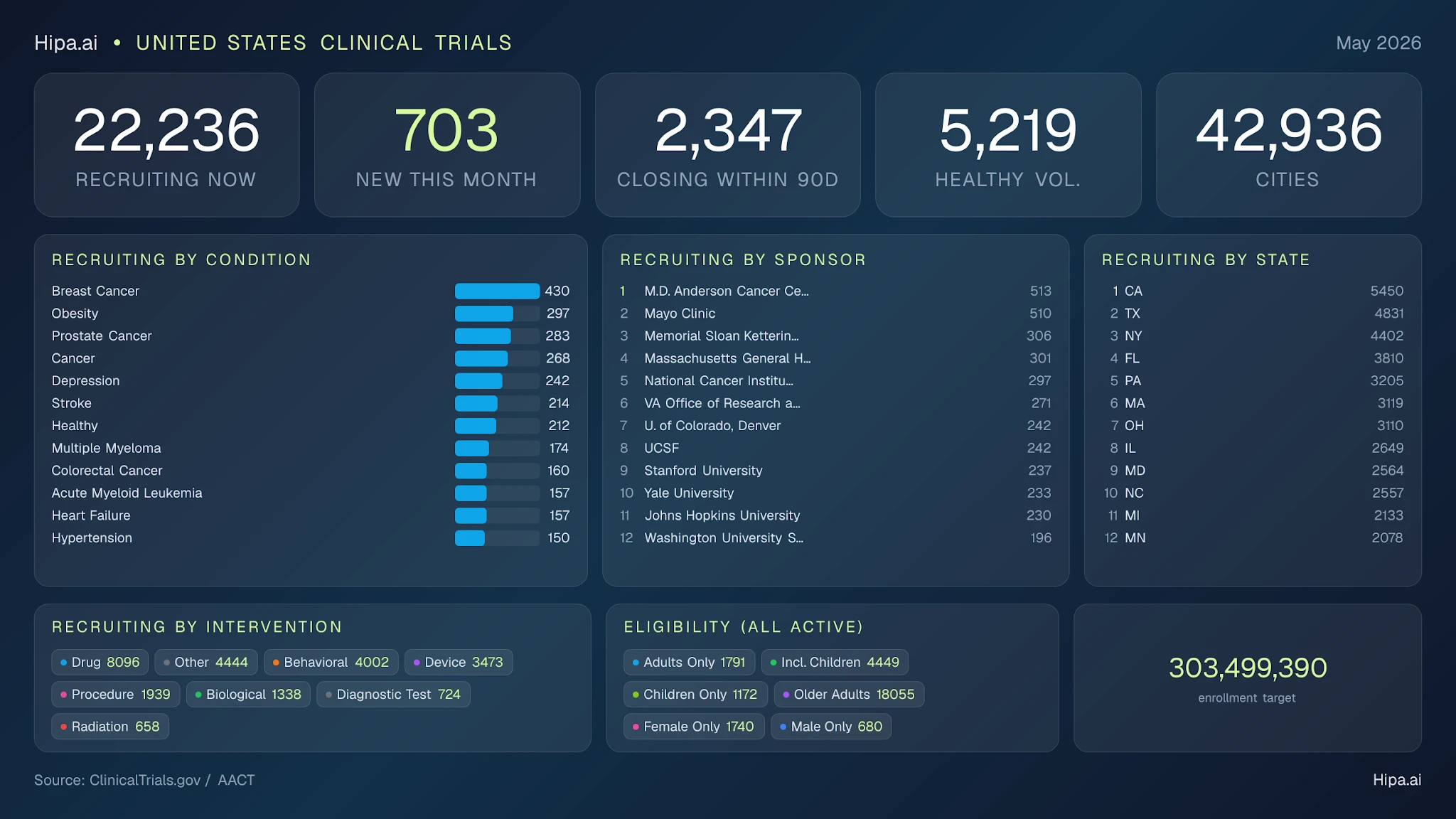
For individuals interested in contributing to medical research, it is easier than ever to find clinical trials that match their location, health profile, or interests. Hipa.ai helps connect participants with research opportunities nationwide, listing approximately 700 new recruiting studies each month for healthy volunteers and people with specific medical conditions.
Conclusion
While there is no substitute for healthy habits, the growing availability of personalized health insights can help people make better-informed decisions along the way. Small adjustments based on meaningful information may ultimately have a significant impact on long-term wellness.