

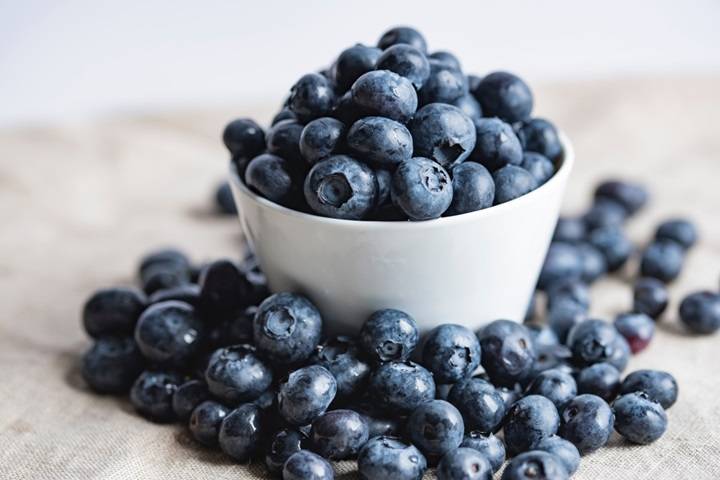
Though less common, in comparison to green, red, and orange ones, blue vegetables will steal the show with their extraordinary nutritional value profile. The resounding blue color of this vegetable variety is due to anthocyanins-powerful plant chemicals recognized for their antioxidant properties. Adding more color to your plate, these vegetables will reduce inflammation, improve heart health, and even contribute to better functioning of the brain.
What Makes Blue Vegetables So Special?
The blue color in vegetables is from anthocyanins, a subgroup of flavonoids responsible for various health-promoting properties. These antioxidants work by reducing oxidative stress, thereby enhancing cardiovascular health and even improving cognitive function. Adding blue vegetables to your diet will provide various vital nutrients to maintain overall good health.
Health Benefits of Blue Vegetables
1. High in Antioxidants
Anthocyanins in this colour of vegetables help neutralize free radicals, lowering the potential for chronic diseases and aging.
2. Heart-Healthy
Most of the blue vegetables, like blue potatoes and blue corn, possess heart-healthy attributes that reduce blood pressure and improve blood flow.
3. Brain Function Improvement
Antioxidants in blue vegetables may further improve cognitive function, decrease neuroinflammation, and lower the risk for neurodegenerative diseases.
4. Supports Gut Health
A high content of fiber in vegetables like blue carrot helps to have good digestion and prevents constipation.
5. Antioxidant And Anti-Inflammation
The anthocyanins present in blue vegetables make them a help for patients having arthritis, asthma, and so on by minimizing inflammation.
List of Popular Blue Vegetables
Though there is a scarcity regarding blue vegetables, they possess enormous health benefits. Here is some of the richest blue vegetables regarding their nutritious value:
1. Blue Potatoes
Nutritional Benefits:
- Rich in antioxidants and fibre
- Maintains heart and brain health
- Helps to control blood sugar level
2. Blue Corn
Nutritional Benefits:
- High in fiber and anthocyanins
- Good for digestion, weight management
- Keeps energy levels high
3. Blue Carrots
Nutritional Benefits:
- Beta-carotene and anthocyanins in them
- Good for eyes
- Reduces inflammation
4. Blue Kale
Nutritional Benefits:
- Rich in iron and calcium
- Good for bones
- Strengthens the immunity
5. Blue Tomatoes
Nutritional Benefits:
- Rich in vitamins A and C
- Skin and immune health
- Anti-cancerous antioxidants
6. Blue Beans
Nutritional Benefits:
- High in protein and fiber
- Good for muscles and digestion
- Controls blood sugar level
How to Include Blue Vegetables in Your Diet

Adding blue vegetables into your diet is both healthy and colorful. Here are some simple ways to incorporate them into your diet:
- Salads: Mix blue kale, blue carrots, or blue tomatoes into your salads for a vibrant burst of color and nutrients.
- Smoothies: Blend blue carrots or blue kale with berries for a powerful antioxidant boost.
- Roasted Dishes: Roast blue potatoes or blue corn in olive oil with herbs as a delicious and healthy side dish.
- Soups: Add to soups with blue beans or blue potatoes for added fiber and nutrients.
- Stir-fries: Sauté the blue beans and blue kale for a nutrient-rich and flavorful meal.
Nutritional Comparison of Blue Vegetables
| Vegetable | Key Nutrients | Health Benefits |
| Blue Potatoes | Antioxidants, fiber | Supports heart and brain health |
| Blue Corn | Fiber, anthocyanins | Promotes digestion, weight management |
| Blue Carrots | Beta-carotene, fiber | Enhances eye health, reduces inflammation |
| Blue Kale | Iron, calcium | Boosts immunity, supports bones |
| Blue Tomatoes | Vitamins A, C | Enhances skin, immune health |
| Blue Beans | Protein, fiber | Regulate blood sugar and digestion |
Frequently Asked Questions
Are blue vegetables healthier than other vegetables?
Yes, absolutely. Blue vegetables contain higher anthocyanins, meaning higher antioxidant and anti-inflammatory benefits.
Does the taste differ in blue vegetables?
Most blue vegetables taste like their siblings that are not of the color blue, except that they have a sweeter or slightly earthier taste.
Can I consume blue vegetables raw?
Yes, most blue vegetables, like blue carrots and blue tomatoes, can be eaten raw in salads or as smoothies.
Is a blue potato healthier than a white potato?
Yes, a blue potato has more antioxidants and fiber; hence, it is a better option when compared to the white potato variety.
Where do blue vegetables come from?
They are found at farmer’s markets and special grocery stores, and organic ones can even be ordered online.
Closing Thoughts
Blue vegetables are quite rare but mighty in being added to a healthy diet. Rich in antioxidants, vitamins, and essential nutrients, these vibrant vegetables can elevate overall health while giving your plate that extra hue. Be it raw, roasted, or blended in a smoothie, these blue vegetables add quite an excitement to enhance nutrition.