

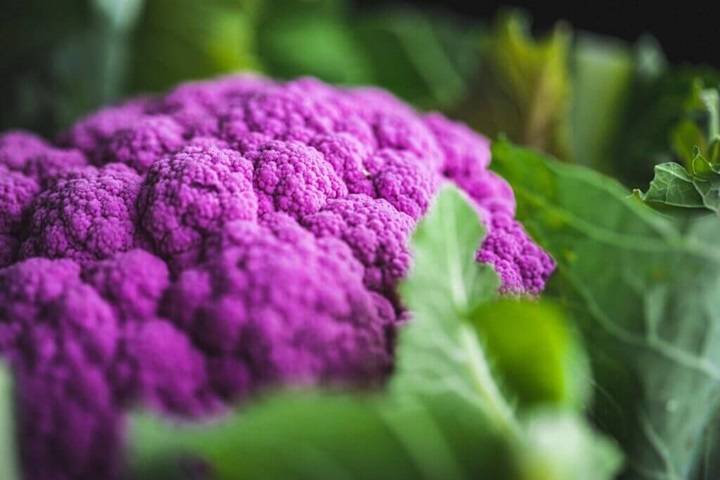
Purple vegetables are somewhat more than befitting one’s eyes; they are powerhouses of antioxidants, vitamins, and other healthful nutrients that keep overall health going. Their deep hues come from anthocyanins-powerful compounds that can do everything from reduce inflammation to improve heart health. Adding a purple vegetable or two into the diet will elevate nutrition while turning up the colors on your plate.
Why Are Purple Vegetables Special?
Anthocyanins, those types of flavonoids that give vegetables their purple color, have strong antioxidant activity. That is, anthocyanins protect the human body from oxidative stress and contribute to the protection of various chronic diseases: heart disease, diabetes, and some cancers. Besides being medicinal, these vegetables have a good amount of fiber, vitamins, and minerals for general health.
Health Benefits of Purple Vegetables

1. Rich in Antioxidants
Anthocyanins in purple vegetables fight off free radicals, prevent cell damage, and delay aging.
2. Conducive to Heart Health
Purple cabbage, eggplant, among other purple vegetables, help in heart health by reducing levels of “bad” cholesterol and allowing the smooth flow of blood.
3. Improves Brain Activity
Antioxidants and phytochemicals in purple vegetables result in enhanced cognitive functioning, hence reducing neurodegenerative diseases such as Alzheimer’s.
4. Supports Digestive Health
High fiber content in vegetables like purple carrots and beets supports gut health by promoting a balanced microbiome and preventing constipation.
5. Reduces Inflammation
Anthocyanins have anti-inflammatory properties, which can help reduce the symptoms of arthritis, asthma, and other inflammatory conditions.
List of Popular Purple Vegetables
Purple vegetables come in all shapes and sizes-from leafy greens to root vegetables. Here are some of the most nutritious and delicious options:
1. Purple Cabbage
Nutritional Benefits:
- Power-packed with Vitamin C and K
- Power-packed antioxidant properties
- Helps in digestion; good for the gut
2. Eggplant
Nutritional Benefits:
- Rich in Fiber and Potassium
- Good for heart health
- Contains nasunin-an effective antioxidant that keeps your brain cells safe
3. Purple Sweet Potatoes
Nutritional Benefits:
- Rich in Fiber and Vitamin A
- Good for Vision
- Helps regulate Blood Sugar levels
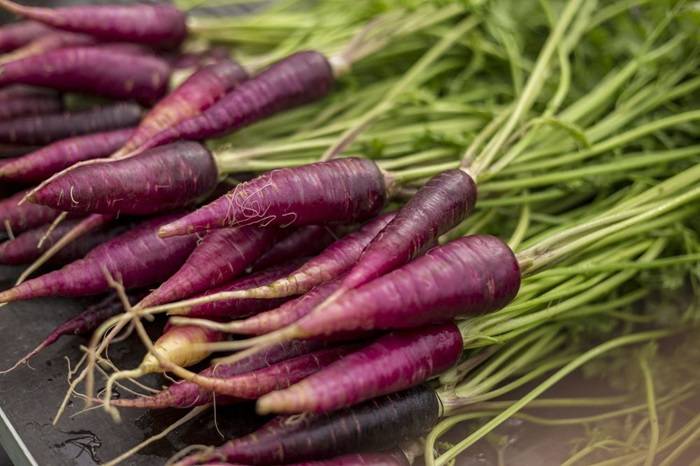
4. Purple Carrots
Nutritional Benefits:
- Contain beta carotene helpful for good vision.
- Helps in digestion
- Anti-inflammatory properties
5. Beets
Nutritional Benefits:
- High in nitrates, which helps in improving blood circulation
- Enhances athletic performance
- Aids in detoxifying the liver
6. Purple Cauliflower
Nutritional Benefits:
- Anthocyanins and vitamin C
- Aids in immune function
- Helps in maintaining weight
7. Purple Asparagus
Nutritional Benefits:
- High in fiber and folate
- Aids digestion
- Diuretic action that cuts down on bloating
8. Purple Bell Peppers
Nutritional Benefits:
- High in vitamin C and antioxidants
- Cures skin blemishes
- Improves immunity
9. Purple Kale
Nutritional Benefits:
- Rich in iron and calcium
- Keeps the bones healthy
- Has a high amount of fiber to aid in good digestion
10. Red Onions
Nutritional Benefits:
- Rich in Quercetin; an antioxidant which reduces inflammation
- Aids in reducing heart problems and diseases
- Anti-bacterial in nature
How to Add Purple Vegetables to Your Diet
Adding purple vegetables to meals is very easy and delicious too. Following are a few ideas:
- Salads: Add shredded purple cabbage, beets, or purple kale for a colorful and nutrient-rich boost.
- Smoothies: Blend purple carrots or beets with berries for a nutritious smoothie packed with antioxidants.
- Roasted Dishes: Roast eggplant, purple sweet potatoes, and beets with olive oil and spices for a tasty side dish.
- Soups: Use purple cauliflower or cabbage to create vibrant, hearty soups.
- Stir-fries: Sauté purple bell peppers and onions for a flavorful and nutritious dish.
Nutritional Comparison of Purple Vegetables
| Vegetable | Key Nutrients | Health Benefits |
| Purple Cabbage | Vitamin C, K, fiber | Boosts immunity, supports digestion |
| Eggplant | Fiber, potassium, nasunin | Supports brain and heart health |
| Purple Sweet Potatoes | Vitamin A, fiber | Regulates blood sugar, supports vision |
| Beets | Nitrates, folate | Improves blood flow, detoxifies liver |
| Purple Carrots | Beta-carotene, fiber | Aids digestion, reduces inflammation |
| Purple Cauliflower | Vitamin C, anthocyanins | Supports immunity, weight management |
| Red Onions | Quercetin, sulfur compounds | Reduces inflammation, heart health |
Frequently Asked Questions
Are purple vegetables healthier than regular vegetables?
Yes, purple vegetables often offer more antioxidants because of the anthocyanins in them that create health added benefits.
Do purple vegetables taste different?
Most vegetables that are purple tend to taste similar to their non-purple variety, but a little sweeter or milder.
Can I eat purple vegetables raw?
Yes, many vegetables, like purple cabbage, red onions, and purple bell peppers, can be consumed raw in salads or smoothies.
Are purple potatoes healthier than regular potatoes?
Yes, purple potatoes contain more antioxidants and fiber compared to white potatoes.
Where do I find purple vegetables to buy?
They are available at farmers’ markets, grocery stores, and online. Specialty stores may carry more varieties as well.
Purple vegetables are packed with nutrients and offer a wide range of health benefits while adding vibrant colors to your plate. Whether you enjoy them raw, roasted, or blended into smoothies, these antioxidant-rich vegetables can help improve overall well-being. Including a variety of purple vegetables in your diet is an excellent way to boost nutrition and enjoy delicious, healthy meals every day.