

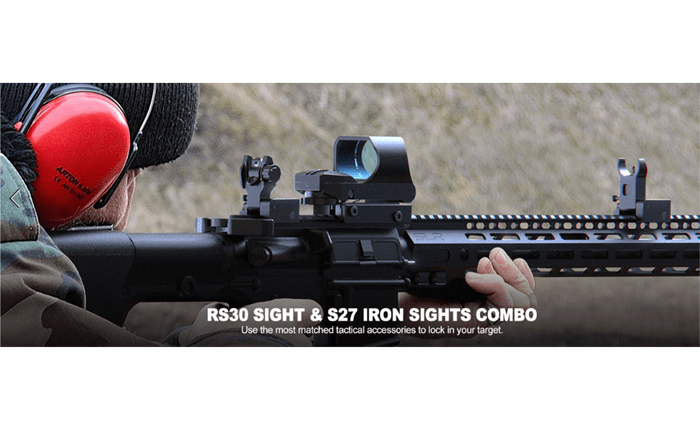
In recent years, the world of firearm optics has seen a surge in popularity of red dot sights, especially among those who prioritize self-defense. These advanced sighting systems offer a myriad of benefits, but the question remains: Are red dot sights a good choice for self-defense? Let’s delve into the intricacies of red dot sights, comparing their advantages and disadvantages to determine their suitability for personal protection.
Understanding Red Dot Sights
What is a Red Dot Sight? A red dot sight is an electronic aiming system that utilizes a light-emitting diode (LED) to project an illuminated reticle, often in the form of a red or green dot, onto the target plane. These sights are designed to provide a clear and consistent aiming point, facilitating rapid target acquisition and accurate shot placement.
Types of Red Dot Sights:
- Tube Style: Resembling traditional rifle scopes, these sights offer improved durability and protection against the elements.
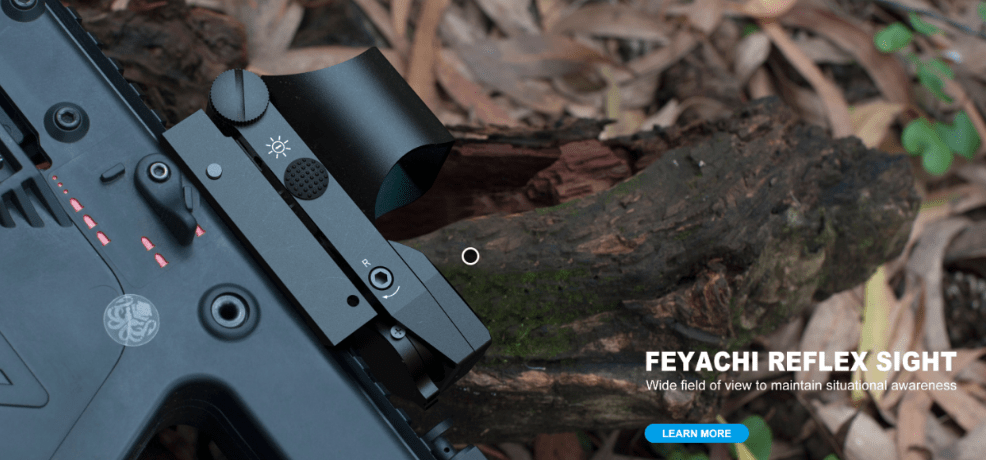
- Open Style: Compact and lightweight, these sights expose the LED and lens components, making them popular for their minimalistic design.
- Prism Style: Using a prism for reticle focus, these sights offer enhanced clarity and sharpness, albeit at a slightly larger and heavier profile.
Suitability for Self-Defense
Effective Range: Red dot sights are primarily designed for short to medium-range engagements, making them ideal for self-defense scenarios where quick target acquisition is crucial. Their unmagnified nature ensures an unhindered field of view, enhancing situational awareness in close-quarters situations.
Reticle Size: The choice of reticle size is a critical factor. Larger reticles offer faster target acquisition in close-quarters engagements but may sacrifice precision at longer ranges.
Low-Light Performance: Red dot sights work effectively in low-light conditions, thanks to their illuminated reticles. However, in situations where the target might not be clearly visible, pairing the sight with a weapon-mounted flashlight is advisable for improved target identification.
Holster Compatibility: Yes, you can holster a pistol with a red dot sight, provided you choose a holster specifically designed for this purpose. Factors such as compatibility, retention, protection, concealment, and comfort should be considered when selecting a holster.
Pros and Cons of Red Dot Sights
Advantages:
- Quick Target Acquisition: Crucial in high-stress situations, red dot sights facilitate rapid aiming.
- Parallax Reduction: Minimal parallax ensures consistent reticle position for enhanced accuracy.
- Ease of Use: User-friendly design with a short learning curve, suitable for both novice and experienced shooters.
Considerations:
- Effective Range: Tailored for short to medium-range engagements.
- Reticle Size: Balance between speed and precision is crucial; choose according to preferences and intended use.
- Low-Light Performance: Effective, but additional lighting may be beneficial in certain scenarios.
- Holster Compatibility: Choose a holster designed for pistols with red dot sights, considering various factors.
Disadvantages:
- Limited Battery Life: Regular checks and spare batteries are essential to prevent optic failure.
- Bulkiness: Some sights add weight and size, requiring a balance between form and function.
- Cost: Quality red dot sights can be a significant investment.
Conclusion
In conclusion, red dot sights can be highly effective for self-defense, offering quick target acquisition and improved accuracy. However, like any tool, they come with their own set of considerations. Regular battery maintenance, choosing the right reticle size, and ensuring holster compatibility are crucial steps in maximizing the benefits of red dot sights for personal protection. While they may have some limitations, the advantages they bring to the table make red dot sights a compelling choice for those prioritizing quick and precise aiming in self-defense scenarios.