

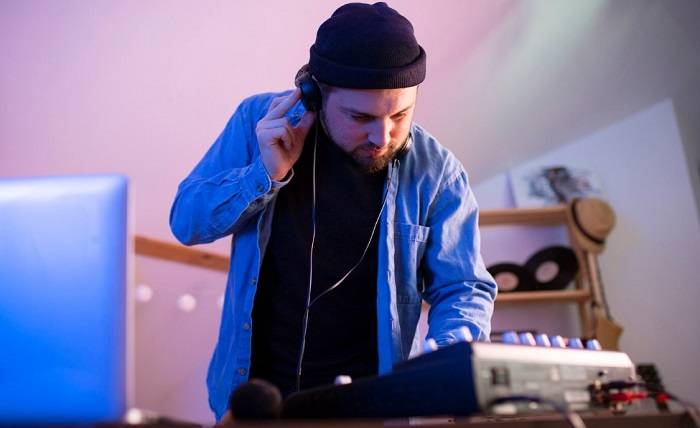
The music industry has significantly shifted towards music streaming platforms in recent years. Music distribution and consumption have become easier with the rise of platforms like Spotify, Apple Music, and Tidal. This shift has opened up new opportunities and challenges for hip-hop artists. Industry professional Benjy Grinberg explores how music streaming has changed the game for artists in the hip-hop genre.
Increased Exposure
The rise of music streaming platforms, such as Spotify and Apple Music, has revolutionized the music industry, offering hip-hop artists unprecedented access to a vast and diverse global audience. These platforms have broken down geographical barriers, allowing artists to transcend their local markets and gain recognition on a global scale. Through streaming, artists can attract new fans, connect with a broader and more diverse audience, and ultimately have their music heard by individuals who may have never stumbled upon their work otherwise. This newfound exposure has transformed the way music is consumed and opened doors for emerging artists to showcase their talent and make a lasting impact in hip-hop.
Reduced Dependence On Labels
Hip-hop artists have depended on record labels for distribution, marketing, and music promotion for decades. However, music streaming platforms have changed this dynamic. With platforms like Soundcloud, YouTube, and Bandcamp, artists can distribute their music directly to fans without needing a label. This shift has given artists more control over their music and the direction of their careers.
Revenue Model Shift
While streaming has opened up new avenues for revenue generation, it also presents several challenges for artists in hip-hop. In general, the revenue generated from streaming is low, with each stream earning only a small fraction of a cent. Hip-hop artists, often known for releasing lengthy albums with many tracks, may not see significant revenue gains from streaming. Additionally, many streaming platforms employ a “freemium” model, giving consumers free access to music with ads. However, this model may not be sustainable for artists relying on music royalties.
Music Discovery
With more artists than ever releasing music, music discovery has become an essential aspect of the industry. Streaming platforms offer listeners many options for discovering new music, which is particularly relevant for hip-hop artists. These platforms use algorithms to recommend music to listeners based on their listening habits, potentially increasing the audience for lesser-known artists.
Impact Of Live Performances
Hip-hop has always been a genre that thrives on live performances. Streaming platforms allow artists to reach a global audience with live shows. Many streaming platforms, such as Tidal, offer exclusive live performances that fans can view anywhere. This opens up new revenue streams for artists who can sell tickets to these live performances.
Challenges
Despite the many opportunities that music streaming platforms offer artists, challenges still exist. One of the main challenges is the low royalty rates that streaming platforms pay artists. The low rates have sparked debates about whether streaming platforms pay artists fairly. Although platforms like Tidal offer higher royalty rates, they are not accessible to all artists. Another challenge is the oversaturation of the industry. The music streaming platforms offer a crowded field, with numerous artists vying for attention. For emerging artists, getting discovered can be challenging amidst the noise created by established artists with huge followings. On the other hand, established artists must keep up with the ever-increasing competition and find ways to remain relevant in the industry.
Conclusion
Music streaming platforms have changed the music industry, providing opportunities and challenges for hip-hop artists. While the increased exposure and reduced dependence on labels are advantageous for artists, revenue generation from streaming and sustainability of free models, while sustainable for companies, may take time. But Benjy Grinberg insists that despite these challenges, streaming platforms have become essential for hip-hop artists to promote their music and reach new audiences. The future of the music industry will inevitably depend on new streaming technologies, and the trends will shape the direction of the industry.