

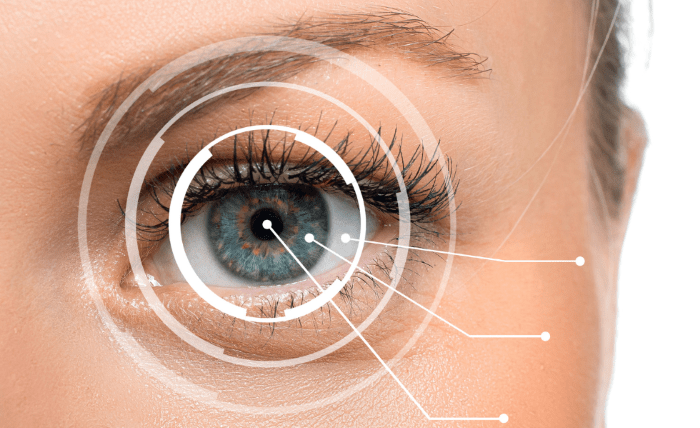
How a 15-minute procedure transforms the first moments of every day
The 6 AM Reality Check
Your alarm goes off. You reach for your glasses—except they’re not there. Panic sets in for exactly three seconds before you remember: you don’t need them anymore. Welcome to your new morning routine, courtesy of LASIK eye surgery.
Chicago Arbor Eye Institute patients describe this moment as surprisingly emotional. After years of dependency on corrective lenses, that first week of naturally clear vision feels almost supernatural.
What Really Changes (Beyond Just Seeing Better)
Your shower becomes a different experience entirely. No more carefully removing glasses before stepping in. No more squinting to read shampoo bottles. The simple act of washing your face transforms from a careful negotiation with frames to pure, unrestricted movement.
Dr. Andrea Arteaga notes the psychological impact: “At Chicago Arbor Eye Institute, we see patients who tell us LASIK didn’t just correct their vision—it corrected their relationship with mornings. There’s something powerful about starting each day with immediate, clear sight.”
Your bedside table gets a makeover. That designated spot for glasses, contact solution, and lens cases? Gone. Patients often report feeling oddly liberated by the empty space, as if their bedroom finally belongs entirely to rest rather than vision correction logistics.
The Science Behind Your New Normal
LASIK works by reshaping the cornea using precise laser technology. This correction addresses common refractive errors including myopia (nearsightedness), hyperopia (farsightedness), and astigmatism. The procedure typically takes 10-15 minutes per eye, with most patients experiencing improved vision within 24 hours.
The corneal flap created during LASIK heals naturally, typically within days. Modern femtosecond laser technology ensures precision at the microscopic level, creating predictable outcomes for qualified candidates.
Who Makes the Best LASIK Candidate?
Professional demands often drive the decision. Surgeons, pilots, and others requiring precision vision frequently choose LASIK for occupational advantages. Similarly, active individuals tired of contact lens limitations during sports find freedom in permanent correction.
Age considerations matter significantly. Most candidates fall between 18-65, with stable prescriptions for at least one year. Presbyopia onset around age 40 may influence procedure selection, sometimes favoring advanced techniques or monovision approaches.
Pre-existing conditions require careful evaluation. Dry eye syndrome, autoimmune conditions, or corneal abnormalities may affect candidacy. Comprehensive screening ensures appropriate candidate selection and optimal outcomes.
What Nobody Tells You About Recovery
The first day feels surreal. Many patients describe a dreamlike quality to suddenly clear vision. Objects appear sharper and colors more vibrant than remembered, creating an almost hyperreal visual experience.
Your depth perception needs time to adjust. After years of lens-corrected vision, your brain requires several days to recalibrate natural sight. This adjustment period is completely normal and resolves quickly.
Light sensitivity is temporary but noticeable. Sunglasses become essential for the first week, particularly outdoors. This photophobia gradually decreases as healing progresses.
The Investment Perspective
LASIK costs vary based on technology, surgeon experience, and geographic location. However, calculating long-term savings reveals surprising value. Consider annual spending on glasses, contacts, solutions, and replacements over decades.
Many patients qualify for HSA or FSA funding, effectively reducing out-of-pocket costs. Some employers offer vision surgery benefits, further improving affordability.
Technology That Makes the Difference
Wavefront-guided LASIK creates detailed corneal maps, enabling customized corrections beyond traditional prescriptions. This technology addresses higher-order aberrations, often improving night vision and visual quality.
Femtosecond laser flap creation eliminates mechanical blade use, improving precision and reducing complications. Computer-controlled laser pulses create consistent, predictable flaps with minimal tissue trauma.
Making the Chicago Choice
Chicago Arbor Eye Institute combines advanced technology with surgical expertise in a city renowned for medical excellence. The concentration of skilled ophthalmologists and state-of-the-art facilities makes Chicago a destination for vision correction.
Patient outcomes consistently demonstrate the value of choosing experienced surgeons with access to cutting-edge equipment. Dr. Arteaga emphasizes, “We believe LASIK success depends on matching the right technology with individual patient needs—that’s what sets Chicago Arbor Eye Institute apart in delivering life-changing results.”
Your Next Step
LASIK consultation involves comprehensive eye examination, medical history review, and technology options discussion. This evaluation determines candidacy and procedure recommendations specific to your vision needs and lifestyle demands.
The morning routine you’ve known for years could become a memory. Clear, natural vision awaits—starting tomorrow at 6 AM.
Ready to transform your mornings? Schedule your LASIK consultation with Dr. Andrea Arteaga at Chicago Arbor Eye Institute today.