

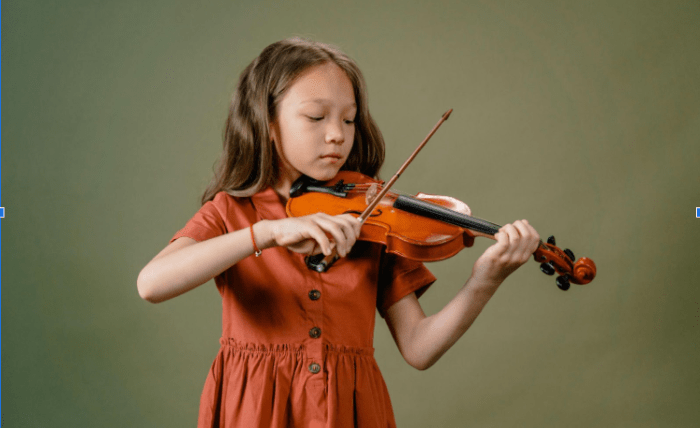
People often say music is best learned at a young age. While kids do tend to pick up skills quickly, that doesn’t mean adults or seniors should miss out. Learning music later in life offers its own set of meaningful benefits. Whether you’re five or fifty-five, it can bring joy, mental sharpness, and a sense of purpose.
In Colorado, where outdoor living and community events are part of everyday life, music fits naturally into the rhythm. From food festivals and farmers markets to cozy evenings with live acoustic sets, there’s a strong appreciation for creative expression. Music becomes part of how people unwind, connect, and enrich their lives. Learning to play or sing isn’t just a personal hobby—it’s something that adds real value, no matter your age.
Music Sharpens the Mind—At Any Stage of Life
One of the clearest benefits of music is how it boosts brain function. For kids, learning an instrument or taking voice lessons helps improve memory, focus, and even language and math skills. It strengthens the areas of the brain tied to coordination and decision-making, which supports learning and daily tasks.
These benefits extend well beyond childhood. Adults and seniors who learn music often notice sharper thinking, better concentration, and improved emotional balance. Research shows that music increases neuroplasticity, the brain’s ability to form new connections, which plays a key role in maintaining cognitive health as we age.
In Colorado, many senior centers, libraries, and community organizations have introduced music-based wellness and enrichment classes, making the connection between music and cognitive health a practical part of everyday life. That’s why there are now plenty of welcoming options like music classes for all ages in Colorado, where both kids and adults can build skills that support brain health and lifelong growth.
Emotional Well-Being and Stress Relief
Music has a natural calming effect. Even listening to a favorite song can help reduce anxiety and lift your mood. When you start learning how to play or sing, those benefits grow even stronger.
Practicing music gives you a healthy outlet for stress. It lets you focus your mind on something creative and positive. Over time, this can lower daily tension and even improve your sleep.
For people of all ages, music is a tool for self-expression. You don’t have to be perfect. You just have to enjoy it. Whether it’s a teenager dealing with school stress or an adult trying to unwind after work, music can make a real difference in emotional health.
Music Builds Confidence and Discipline
Learning music takes patience, and that’s a good thing. You set small goals, maybe playing your first song or mastering a tricky note, and with each step, your confidence grows.
This kind of steady progress teaches discipline. You learn to show up, keep practicing, and stick with something, even when it feels tough. These lessons apply to other parts of life too, like work, school, or personal goals.
And it’s not just for kids. Adults who start music lessons often find that it boosts their self-esteem. Many are surprised at how quickly they can learn when they give themselves the chance. Even if you’ve never played an instrument before, starting now can show you what you’re capable of.
A Powerful Social Connector
Music naturally brings people together. Whether it’s a school band, a church choir, or a group guitar class, music creates community.
This is important for kids, who build teamwork and communication skills through group practice. But it’s also powerful for adults. If you’re looking to meet people, connect through shared interests, or just have fun, music provides an easy way to do it.
Even in families, music can help bridge the gap between generations. A grandparent might take lessons alongside their grandchild, or a parent might jam with their teen. These shared moments turn into meaningful memories.
In a world where many people feel isolated, joining a music group or class can make a big difference in your sense of connection.
The Joy of Lifelong Creativity
One of the most beautiful things about music is that it’s never too late to start. Creativity doesn’t have an age limit. Whether you’re 18 or 80, learning music gives you a new way to express yourself.
As we grow older, we often seek out hobbies that are relaxing, fulfilling, and personal. Music checks all those boxes. You don’t have to perform or record—just playing for yourself can bring deep satisfaction.
Some people even discover their musical side for the first time in retirement. With more free time, they finally try that instrument they had always dreamed about. Others return to music after decades away and fall in love with it all over again.
These moments of creativity add meaning to our lives. They remind us that we’re always growing and exploring, no matter our age.
Practical Tips to Start Learning Music at Any Age
Getting started with music is easier than ever. Here are some tips for diving in:
- Pick something that excites you. Don’t worry about what’s “easy” or “practical.” If you love the sound of the piano or always wanted to sing, start there.
- Start small. You don’t need long sessions. Even 15 minutes a day adds up quickly.
- Use online tools. Apps and video tutorials make it simple to learn at home. Platforms like YouTube and Skillshare offer lessons for every level.
- Find a class or teacher. In-person or online classes give you structure and support. A teacher can help you improve faster and stay motivated.
- Be kind to yourself. Progress may feel slow at first. That’s normal. Celebrate the small wins and keep going.
- Make it fun. Play music you enjoy. Sing along to your favorite songs. Join a group if that’s your style. The key is to enjoy the process, not just the result.
Music is one of the few things in life that stays with us forever. It helps our brains stay sharp, gives us a healthy outlet for emotions, and connects us with people. Most of all, it brings joy.
Learning music at any age is a gift—not just for today, but for every day that follows. Whether you’re just starting or picking it up again after years, it’s worth every minute. The journey may start with a single note, but the benefits can echo throughout your life.