

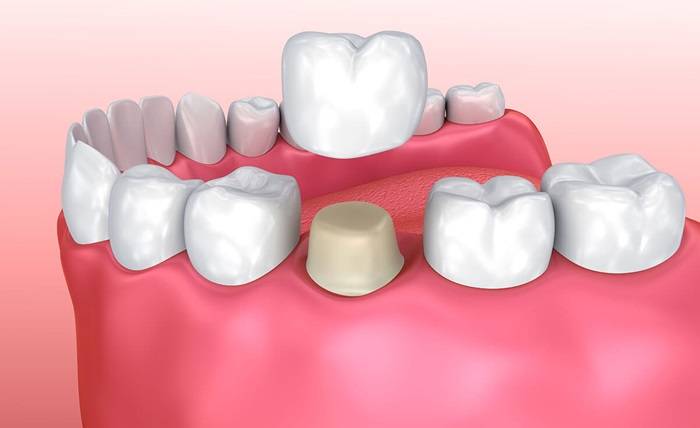
Dental crowns strengthen and improve the appearance of damaged teeth by covering and shielding them. A crown may occasionally come loose or fall off, which can be unsettling and unexpected. To keep your tooth and have it treated as soon as possible, it’s critical to know how to address this situation.
If your dental crown falls out, it’s normal to feel concerned, but staying calm and informed can help. Understanding why crowns might come loose and what steps to take can make a big difference. By knowing what to do, you can safeguard your tooth and get the proper care promptly. Let’s explore in detail:
Why Dental Crowns Fall Off
Dental crowns can fall off for several reasons, each contributing to the potential failure of this crucial dental restoration:
Weakening of the Adhesive: Over time, the glue that holds the crown onto your tooth can become weaker. This can happen slowly, causing the crown to loosen. Things like how long the crown has been in place, everyday use, and the quality of the glue can all affect how long it stays strong.
Improper Fit or Defects: If the crown wasn’t fitted correctly or has defects from the manufacturer, it might not stick well. A poorly fitting crown can have gaps or pressure spots that can cause it to come loose.
Tooth Decay: Decay or damage to the tooth under the crown can weaken its stability. When decay forms around the edges of the crown, it can make the bond less strong and cause the crown to loosen.
Excessive Pressure: Chewing hard foods, grinding your teeth, or clenching can put too much pressure on the crown. This can weaken the glue holding it in place and increase the chance of it coming loose.
Poor Oral Care: If you don’t maintain proper dental hygiene, plaque may build up around your crown, causing deterioration and weakening the glue that holds it in place. Consistent brushing and flossing are essential for keeping the health of the tooth and the crown.
Trauma or Injury: The crown may come loose due to a physical trauma or injury to the mouth, such as a fall or accident. Accidents that impact the mouth area can affect both the crown and the tooth it covers.
How to Prevent Dental Crowns from Falling Off
Preventing a dental crown from falling off involves a combination of good oral care practices and mindful habits:
Keep Up Good Oral Hygiene: Regular brushing and flossing are essential for preventing plaque buildup and maintaining the health of both the crown and the underlying tooth. Use fluoride toothpaste and floss daily to keep the area around the crown clean.
Avoid Hard and Sticky Foods: Chewing on hard foods like nuts, ice, or candy can put undue pressure on the crown and increase the risk of dislodgement. Sticky foods, such as caramel, can also pull at the crown and affect its adhesion.
Wear a Mouthguard: If you grind your teeth or engage in contact sports, wearing a mouthguard can protect your crowns and natural teeth from excessive forces that might lead to dislodgement.
Regular Dental Check-ups: Regular visits to your dentist allow for the early detection of any issues with your crown. Your dentist can assess the condition of the crown and the underlying tooth, making adjustments or replacements as needed.
Address Any Dental Issues Promptly: If you notice signs of wear, sensitivity, or a loose feeling in your crown, contact your dentist immediately. Early intervention can prevent further complications and ensure that the crown remains securely in place.
Follow Post-Procedure Care Instructions: After getting a crown placed, follow any specific care instructions provided by your dentist. Adhering to these guidelines can help ensure the crown stays in place and functions properly.
Manage Bruxism: If you have bruxism (nighttime teeth grinding), consider using a nightguard to protect your crowns from the pressure and stress caused by grinding. This simple device can significantly reduce the risk of crown damage.
Be Mindful of Tooth Sensitivity: If your crown feels sensitive or uncomfortable, it could indicate a problem with the crown or the underlying tooth. Address these issues promptly with your dentist to avoid further complications.
What to Do If Your Dental Crown Falls Out
If your dental crown falls out, it’s important to act quickly and follow these steps to protect your tooth and address the situation appropriately:
Retrieve and Inspect the Crown: If possible, find and keep the dislodged crown. Avoid touching the inside surface to prevent contamination. Rinse it gently with water if it is dirty, but avoid using toothpaste or scrubbing agents.
Examine the Tooth: Check the exposed tooth for any visible damage or debris. If the tooth has sharp edges or appears damaged, cover it with a piece of dental wax or sugarless gum to protect it until you can see your dentist.
Contact Your Dentist: Schedule an appointment with your dentist as soon as possible. Even if the crown seems intact, it’s crucial to have it re-cemented or replaced by a professional. Your dentist will assess the situation and determine the best course of action.
Avoid Using the Tooth: Refrain from chewing on the affected side of your mouth to prevent further damage or discomfort. If you experience pain or sensitivity, over-the-counter pain relievers can help manage the symptoms temporarily.
Keep the Area Clean: Maintain good oral hygiene by brushing and flossing around the exposed tooth and crown area. Be gentle to avoid irritating the exposed tooth or causing additional issues.
Will Your Tooth Be Damaged If Your Dental Crown Falls Off?
If your dental crown falls off, the underlying tooth may be at risk of damage, but the extent of the damage depends on various factors:
Condition of the Tooth: If the tooth underneath the crown is healthy and intact, the risk of damage is relatively low. However, if the tooth has been weakened by decay or damage, it may be more susceptible to further harm.
Exposed Tooth Structure: When a crown falls off, the exposed tooth structure may be sensitive to temperature changes and pressure. This sensitivity can cause discomfort and make the tooth more vulnerable to decay or damage if not properly protected.
Potential for Decay: Without the protection of the crown, the underlying tooth may be exposed to bacteria and plaque. This exposure increases the risk of decay and can compromise the health of the tooth.
To minimize potential damage, it’s essential to act promptly if your crown falls out. Follow temporary measures, such as using dental cement to reattach the crown or keeping the area clean, until you can see your dentist. Your dentist will assess the condition of the tooth and provide appropriate treatment to prevent further issues.
Conclusion
Dealing with a dislodged dental crown can be stressful, but understanding the causes, preventive measures, and proper steps to take can make the process more manageable. By maintaining good oral hygiene, avoiding risky habits, and seeking timely professional care, you can protect your crown and underlying tooth, ensuring a smooth resolution to the issue.
If you find yourself in the situation of having a dental crown fall out, stay calm and follow the outlined steps to safeguard your oral health. With prompt action and appropriate care, you can successfully manage the situation and continue to enjoy a healthy, functional smile.
For personalized advice and treatment, book a consultation at Dentakay Clinic today.