

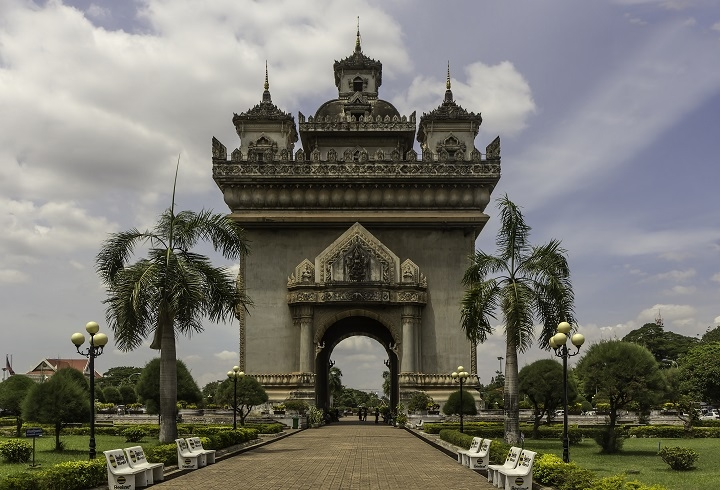
Tucked away on the banks of the Mekong River, Vientiane, the capital of Laos, is often overshadowed by its bustling neighbors like Bangkok or Hanoi. However, this quiet, serene city is a hidden gem in Southeast Asia, offering a blend of rich history, laid-back charm, and cultural treasures. Unlike other capitals in the region, Vientiane exudes a more relaxed atmosphere, making it the perfect destination for travelers seeking tranquility and an authentic Laotian experience.
A City Steeped in History
Vientiane has a long and storied history that dates back centuries. Once a small trading outpost, it became the capital of the Lan Xang Kingdom in the 16th century. The city has seen the rise and fall of kingdoms, colonization by the French, and the turmoil of war. Despite its tumultuous past, Vientiane has emerged as a peaceful city that quietly embraces its rich history while moving toward modernity.
One of the most significant historical events in Vientiane’s past is the French colonization in the late 19th century. The French influence is still visible today, especially in the city’s architecture. Colonial buildings dot the cityscape, offering a glimpse into a bygone era when French traders and missionaries arrived in Laos. The wide, tree-lined boulevards and French bakeries are charming reminders of this colonial legacy.
However, Vientiane’s history goes back much further than the French period. It has been a crossroads for Buddhism, which remains an essential part of the city’s identity. The ancient temples and stupas scattered throughout the city are testaments to the city’s deep-rooted spiritual heritage. Despite modernization, Vientiane remains a place where ancient traditions continue to thrive alongside the emerging urban landscape.
The Tranquility of the Mekong River
One of the defining features of Vientiane is its proximity to the Mekong River. The river is not just a geographical landmark; it plays an integral role in the life of the city. As the sun begins to set, locals and visitors alike gather by the riverbank, enjoying the cool breeze and watching the orange glow of the sun reflecting on the water. This daily spectacle creates a magical atmosphere and reminds visitors why Vientiane is often described as one of the most relaxing capital cities in Southeast Asia.
The riverfront has also undergone significant transformation in recent years, with the development of a riverside promenade that has become a favorite spot for evening strolls, bike rides, and social gatherings. The addition of markets, cafés, and small restaurants has breathed new life into the area, making it a hub of activity where people can enjoy good food, local crafts, and a peaceful atmosphere all in one place.
Exploring the Temples of Vientiane
One of the highlights of visiting Vientiane is exploring its many temples, or wats. The city is home to some of the most beautiful and historically significant temples in Laos, each offering a glimpse into the country’s deep spiritual roots and architectural beauty.
Wat Si Saket
Wat Si Saket is one of the oldest temples in Vientiane and a must-visit for anyone interested in Laotian history and culture. Built in 1818, this temple is known for its stunning cloister wall, which houses thousands of tiny Buddha statues. These statues, made from wood, stone, and bronze, create a striking visual that leaves a lasting impression. The temple has survived several wars and conflicts, making it one of the few temples in Vientiane to retain its original structure.
Pha That Luang
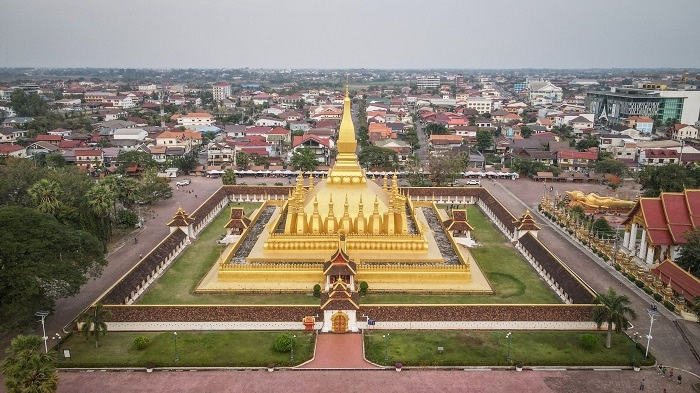
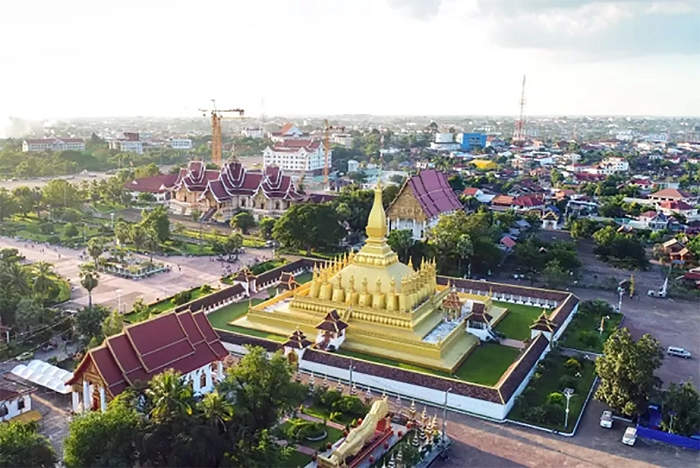
Arguably the most important national monument in Laos, Pha That Luang, or the Great Stupa, is a symbol of Laotian sovereignty and Buddhism. This impressive golden stupa is said to contain a relic of the Buddha and is a major pilgrimage site for Buddhists across the country. The stupa’s golden spires rise majestically against the sky, making it a breathtaking sight, especially at sunrise or sunset. Surrounding the stupa are various smaller temples and monuments, making Pha That Luang a complex that reflects the spiritual heart of Vientiane.
Wat Si Muang
Wat Si Muang is another significant temple in Vientiane, known for its connection to the city’s protective spirit. It is a place of pilgrimage for locals, who come to make offerings and seek blessings for health, wealth, and happiness. Unlike other temples, Wat Si Muang is always bustling with activity, giving visitors a glimpse into the everyday spiritual practices of the Laotian people.
Also Read: Richard Goodall
The Influence of French Colonial Architecture
Vientiane’s blend of Laotian and French colonial architecture is one of the city’s most charming features. After the French colonization in the 19th century, many colonial-style buildings were constructed, giving the city a distinct European flair. Today, these buildings house embassies, government offices, cafés, and even guesthouses, but they retain their unique architectural style.
One of the best places to experience this French colonial influence is along the streets near the Presidential Palace, where wide boulevards lined with colonial buildings transport visitors back in time. Many of the city’s bakeries and cafés also serve French-inspired pastries, allowing travelers to enjoy a taste of France in the heart of Southeast Asia.
Culinary Delights in Vientiane
The food scene in Vientiane is a reflection of the city’s cultural diversity. Traditional Laotian dishes blend seamlessly with French, Thai, and Vietnamese influences, offering a unique culinary experience that caters to all tastes.
Laotian Cuisine
No visit to Vientiane would be complete without trying some of the traditional Laotian dishes that reflect the country’s rich culinary heritage. Laap, a minced meat salad flavored with fresh herbs and spices, is a must-try dish that offers a burst of flavors. Served with sticky rice, it’s a favorite among locals and visitors alike.
Another staple is tam mak hoong, a spicy green papaya salad that is both refreshing and packed with bold flavors. This dish is a testament to the Laotian love for fresh ingredients and vibrant spices. Street food stalls across the city offer variations of this dish, making it easy to find and enjoy during your stay.
French Influence on the Food Scene
Thanks to the city’s colonial past, Vientiane is home to numerous French-inspired cafés and restaurants. Visitors can indulge in croissants, baguettes, and pastries, alongside a cup of rich Laotian coffee. The combination of French techniques with local ingredients creates a unique fusion that is distinctly Vientiane.
For those looking to experience fine dining, there are a number of French restaurants that offer a mix of traditional French cuisine with a Laotian twist. Dining in these establishments allows visitors to savor the rich culinary history that remains from the French colonial period.
A Growing Hub for Art and Culture
Vientiane may be small in comparison to other Southeast Asian capitals, but it is quickly becoming a hub for contemporary art and culture. Galleries, studios, and cultural centers have sprung up around the city, showcasing the work of local artists who are blending traditional Laotian themes with modern artistic expressions.
The Lao National Museum offers a deep dive into the country’s history and culture, with exhibits that cover everything from ancient artifacts to modern art. Additionally, events such as the annual Vientiane Film Festival are helping to put the city on the map as a cultural destination.
Vientiane may not have the high-energy vibe of larger Southeast Asian capitals, but it offers something truly special: a sense of serenity and cultural richness that is hard to find elsewhere. Whether you’re wandering through ancient temples, enjoying a sunset by the Mekong River, or savoring a blend of Laotian and French cuisine, Vientiane provides a peaceful retreat that invites travelers to slow down and savor the beauty of life in Laos.
For those seeking a travel experience that combines history, culture, and tranquility, Vientiane is a destination worth discovering. With its welcoming atmosphere and hidden gems, the capital of Laos offers an authentic glimpse into a country that remains relatively untouched by mass tourism, making it one of Southeast Asia’s best-kept secrets.