

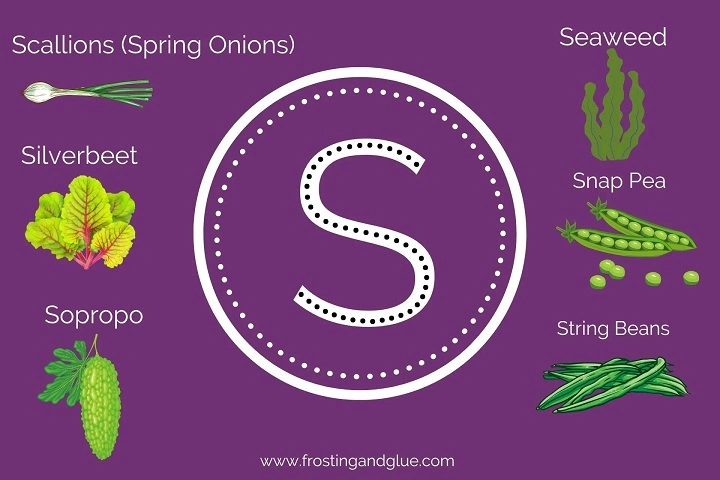
Vegetables are an essential part of a balanced diet, providing important nutrients such as vitamins, minerals, fiber, and antioxidants. Many vegetables that start with the letter S are widely used in cooking around the world, while some are lesser-known but equally nutritious.
This guide explores different vegetables that start with S, their nutritional benefits, how to use them in cooking, and tips on incorporating them into a healthy diet.
List of Vegetables That Start With S
There are several vegetables that begin with the letter S, ranging from leafy greens to root vegetables and legumes.
Spinach
Spinach is a leafy green vegetable that is packed with essential nutrients. It is widely used in salads, smoothies, and cooked dishes.
- It is high in vitamin K, which supports bone health.
- It contains iron, which helps in oxygen transport in the blood.
- It has antioxidants that protect against cell damage.
How to Use
- Add fresh spinach to salads or sandwiches.
- Blend it into smoothies for extra nutrients.
- Sauté it with garlic and olive oil as a side dish.
Sweet Potato
Sweet potatoes are starchy root vegetables that are naturally sweet and rich in nutrients. They come in different varieties, including orange, purple, and white.
- They are high in vitamin A, which promotes eye health.
- They provide fiber, which aids digestion and supports gut health.
- They contain complex carbohydrates for sustained energy.
How to Use
- Roast them with cinnamon and honey for a natural sweetness.
- Mash them and use them as a side dish.
- Slice them into fries and bake for a healthier alternative to regular fries.
Snap Peas
Snap peas are crisp, sweet, and edible pod peas that can be eaten raw or cooked.
- They are low in calories but high in fiber.
- They provide vitamin C, which boosts immunity.
- They contain antioxidants that reduce inflammation.
How to Use
- Eat them raw as a snack or in salads.
- Stir-fry them with garlic and soy sauce.
- Add them to soups or noodle dishes.
Scallions
Scallions, also known as green onions, have a mild onion flavor and are used in various cuisines.
- They contain sulfur compounds that support heart health.
- They are rich in vitamin C and K.
- They add a fresh, mild onion taste to dishes.
How to Use
- Chop and sprinkle them over soups and salads.
- Use them as a garnish for Asian dishes.
- Grill them and serve as a side dish.
Savoy Cabbage
Savoy cabbage is a type of cabbage with crinkled leaves and a mild flavor.
- It is high in fiber, which aids digestion.
- It contains antioxidants that help fight inflammation.
- It provides vitamin C, which strengthens the immune system.
How to Use
- Shred it and use it in coleslaw.
- Sauté it with butter and garlic.
- Add it to soups and stews for extra texture.
Salsify
Salsify is a root vegetable that resembles a long parsnip and has a mild, oyster-like flavor.
- It is a good source of dietary fiber.
- It contains potassium, which supports heart health.
- It provides vitamin B6, which helps in brain function.
How to Use
- Boil and mash it like potatoes.
- Roast it for a caramelized flavor.
- Add it to soups and stews.
Swiss Chard
Swiss chard is a leafy green vegetable with colorful stems and a slightly bitter taste.
- It is high in magnesium, which supports muscle and nerve function.
- It contains vitamin K, which promotes blood clotting and bone health.
- It is packed with antioxidants that protect against chronic diseases.
How to Use
- Sauté it with olive oil and garlic.
- Add it to pasta dishes or omelets.
- Use it in soups and stews.
Shallots
Shallots are small, onion-like vegetables with a mild and slightly sweet flavor.
- They are rich in antioxidants that reduce inflammation.
- They provide vitamin A and C for immune support.
- They contain allicin, which has antibacterial properties.
How to Use
- Mince them and add them to salad dressings.
- Caramelize them for a sweet flavor.
- Use them as a base for sauces and marinades.
Seaweed
Seaweed is an edible marine vegetable commonly used in Asian cuisine. It is packed with minerals and unique nutrients.
- It is high in iodine, which supports thyroid function.
- It contains antioxidants that protect against cell damage.
- It provides fiber, which aids digestion.
How to Use
- Add dried seaweed to soups or stews.
- Use it to wrap sushi.
- Sprinkle it over rice or salads.
Soybeans
Soybeans are legumes that are commonly used to make tofu, soy milk, and other plant-based products.
- They are high in protein, making them ideal for vegetarian and vegan diets.
- They contain isoflavones, which may support heart health.
- They provide essential amino acids for muscle growth.
How to Use
- Boil and eat them as edamame.
- Use soy milk as a dairy alternative.
- Add tofu to stir-fries or soups.
Sugar Snap Peas
Sugar snap peas are a hybrid of snow peas and garden peas, known for their sweet and crunchy texture.
- They are a good source of fiber and vitamin C.
- They contain antioxidants that reduce inflammation.
- They help regulate blood sugar levels.
How to Use
- Eat them raw as a healthy snack.
- Add them to stir-fries and salads.
- Steam them and serve with a dip.
Health Benefits of Vegetables That Start With S
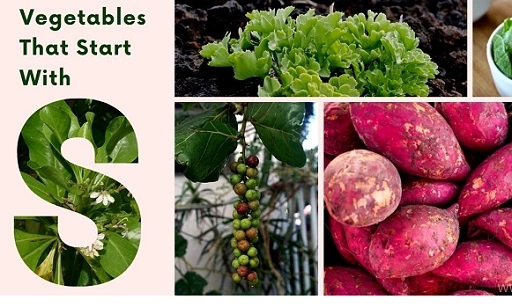
Rich in Vitamins and Minerals
Many of these vegetables provide essential nutrients such as vitamin A, vitamin C, potassium, and magnesium, which are important for overall health.
High in Fiber
Vegetables like sweet potatoes, salsify, and soybeans are rich in fiber, which supports digestion and gut health.
Supports Heart Health
Scallions, shallots, and soybeans contain compounds that help lower cholesterol and support cardiovascular health.
Boosts Immunity
Spinach, snap peas, and Swiss chard are packed with vitamin C, which strengthens the immune system and helps the body fight infections.
How to Include These Vegetables in Your Diet
Experiment With Different Cooking Methods
Try roasting, steaming, stir-frying, or blending these vegetables into soups to find the best flavor and texture.
Use Them in Everyday Meals
Add spinach to smoothies, use scallions as garnishes, and incorporate sweet potatoes into breakfast or dinner dishes.
Try New Cuisines
Explore different cuisines by using soybeans in Asian dishes, seaweed in Japanese recipes, or Swiss chard in Mediterranean cooking.
Frequently Asked Questions
What is the most common vegetable that starts with S
Spinach is one of the most widely used vegetables that start with S.
Are sugar snap peas the same as snow peas
No, sugar snap peas are a hybrid between garden peas and snow peas, making them sweeter and crunchier.
Can seaweed be eaten daily
Yes, but it should be consumed in moderation due to its high iodine content.
What is the best way to store shallots
Shallots should be kept in a cool, dry place to prevent sprouting.
Is salsify related to parsnips
Yes, salsify is a root vegetable that is similar in appearance to parsnips but has a slightly different flavor.