


Many people assume that all vegetables come directly from nature, but the truth is that several vegetables are the result of human intervention. Over centuries, farmers and scientists have selectively bred plants to enhance their taste, size, and resistance to pests and diseases. Some vegetables have been modified through traditional crossbreeding, while others have been developed using genetic engineering.
This guide explores the most well-known man-made vegetables, how they were created, and their impact on agriculture and nutrition.
What Are Man-Made Vegetables
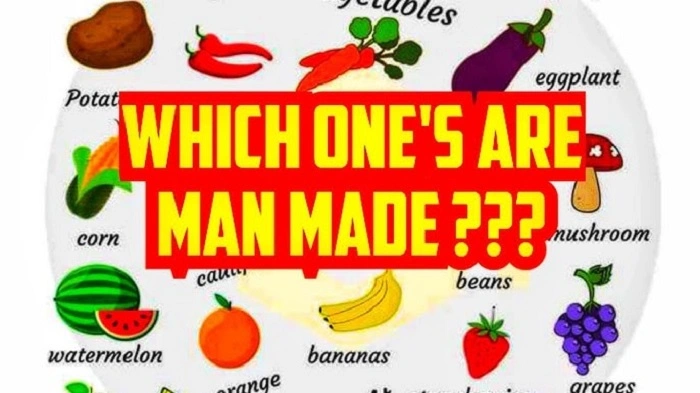
Man-made vegetables are crops that have been altered through selective breeding, hybridization, or genetic modification. These methods have allowed farmers to improve yields, create better-tasting produce, and develop crops that can withstand harsh environmental conditions.
Types of Man-Made Vegetables
There are three primary ways that vegetables can be man-made:
- Selective breeding involves choosing plants with desirable traits and cross-pollinating them over generations.
- Hybridization is the process of crossing two different plant species to create a new variety.
- Genetic modification involves directly altering the DNA of a plant to introduce new characteristics.
List of Man-Made Vegetables
Many vegetables that people eat today did not exist in their current form thousands of years ago. Below are some of the most well-known vegetables that were created or altered by humans.
Broccoli
Broccoli is a man-made vegetable that was developed through selective breeding of wild cabbage.
- It was cultivated by the Romans more than two thousand years ago.
- It is high in vitamin C, fiber, and antioxidants.
- It supports immune health and digestion.
How It Was Made
Broccoli was selectively bred from a wild mustard plant. Over time, farmers encouraged traits such as a larger flower head and better taste.
Cauliflower
Cauliflower, like broccoli, was derived from the wild mustard plant. It has a dense, edible head that makes it a versatile vegetable in cooking.
- It is low in calories but high in fiber and vitamins.
- It contains compounds that help reduce inflammation.
- It can be used as a low-carb substitute for rice and flour.
How It Was Made
Farmers selectively bred mustard plants that had larger, tightly packed flower buds, eventually developing cauliflower.
Brussels Sprouts
Brussels sprouts are another vegetable that originated from the wild mustard plant. They are known for their small, cabbage-like heads.
- They are high in vitamin K, which supports bone health.
- They contain antioxidants that promote heart health.
- They are an excellent source of fiber.
How They Were Made
Through selective breeding, farmers developed Brussels sprouts by encouraging plants with tightly clustered leaves to reproduce.
Carrots
Carrots were originally small, bitter, and purple or white in color. The orange carrots commonly eaten today were developed by humans.
- They are rich in beta-carotene, which supports eye health.
- They contain antioxidants that help reduce the risk of disease.
- They provide fiber for digestive health.
How They Were Made
Early farmers selectively bred carrots with sweeter flavors and brighter colors, leading to the orange varieties available today.
Corn
Corn, also known as maize, was originally a small, hard grain called teosinte. It has been selectively bred over thousands of years to produce the large, sweet kernels found today.
- It is a good source of carbohydrates for energy.
- It contains fiber that supports digestion.
- It provides essential vitamins such as folate and vitamin C.
How It Was Made
Ancient Mesoamerican civilizations selectively bred teosinte to produce larger, more nutritious kernels, creating modern corn.
Tomatoes
Tomatoes were originally small, wild fruits found in South America. They have been bred over centuries to become larger, juicier, and sweeter.
- They are high in vitamin C and lycopene, which support heart health.
- They contain antioxidants that reduce inflammation.
- They are a key ingredient in many cuisines worldwide.
How They Were Made
Selective breeding allowed farmers to develop different tomato varieties, including cherry, beefsteak, and heirloom tomatoes.
Bananas
Although often mistaken for a fruit, bananas are botanically classified as berries. The modern banana is a hybrid of two wild species.
- It is high in potassium, which supports heart health.
- It provides quick energy due to its natural sugars.
- It is a good source of vitamin B6.
How They Were Made
Wild bananas were full of seeds and difficult to eat. Farmers selectively bred plants that produced seedless, softer bananas.
Kale
Kale is another vegetable that was created through selective breeding of wild mustard. It has become popular for its nutritional benefits.
- It is high in fiber, which promotes digestive health.
- It contains antioxidants that help protect against diseases.
- It is a rich source of vitamin A and K.
How It Was Made
Farmers bred mustard plants with larger leaves to create kale. Different varieties, such as curly and Tuscan kale, were later developed.
Cabbage
Cabbage, like kale, was developed from the wild mustard plant. It has been grown for centuries for its dense, leafy heads.
- It is high in vitamin C, which boosts the immune system.
- It contains compounds that help reduce the risk of cancer.
- It provides fiber for a healthy digestive system.
How It Was Made
Selective breeding focused on plants with tightly packed leaves, eventually resulting in cabbage varieties.
Genetically Modified Vegetables

While many vegetables were developed through traditional breeding, some have been genetically modified to improve their resistance to pests and diseases.
Examples of Genetically Modified Vegetables
- GMO corn is resistant to certain pests and herbicides.
- GMO potatoes have been modified to resist bruising and disease.
- GMO tomatoes were developed to stay fresh longer.
Impact of Man-Made Vegetables on Agriculture
The development of man-made vegetables has significantly improved food production, making crops more accessible and nutritious.
Advantages
- Increased yield allows farmers to produce more food on less land.
- Enhanced nutrition provides consumers with vegetables rich in vitamins and minerals.
- Better resistance to pests and diseases reduces the need for chemical pesticides.
Disadvantages
- Selective breeding can reduce genetic diversity, making crops more vulnerable to disease.
- Some people prefer non-GMO foods due to concerns about long-term health effects.
- Hybrid vegetables may not reproduce true to type, requiring farmers to buy new seeds each season.
Frequently Asked Questions
What is the most common man-made vegetable
Broccoli is one of the most well-known man-made vegetables, developed through selective breeding of wild cabbage.
Are genetically modified vegetables safe to eat
Yes, genetically modified vegetables undergo extensive testing before they are approved for consumption.
Why were carrots originally purple
Early carrots contained anthocyanins, which gave them a purple color. Over time, selective breeding led to the orange varieties seen today.
Is corn a natural vegetable
No, modern corn was developed through selective breeding from an ancient grain called teosinte.
How are hybrid vegetables different from genetically modified vegetables
Hybrid vegetables are created by crossbreeding plants, while genetically modified vegetables have their DNA altered in a laboratory.