

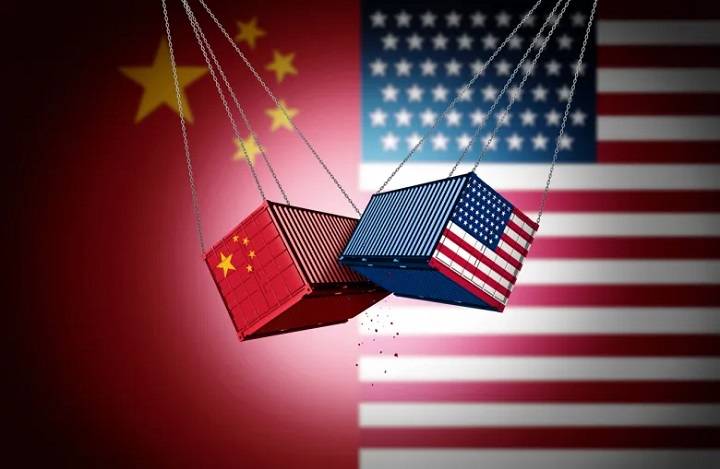
Ah, the saga of the US-China tariffs trade deal — it’s almost like a geopolitical soap opera, filled with cliffhangers, plot twists, and no shortage of drama. If you’ve ever wondered why your favorite gadget sometimes costs a bit more, or why those shipping containers seem stuck forever, the tariffs war between the US and China might just be the culprit.
So, let’s take a leisurely stroll through this complex story, unpacking the highs, the lows, and what it all means for you, me, and the global economy. Ready? Let’s dive in.
What Are Tariffs Anyway? A Quick Refresher
Before we get knee-deep in the US-China trade tussle, let’s just hit the brakes and explain tariffs in plain English.
Tariffs are like taxes slapped on goods when they cross borders. Imagine you’re a baker selling cupcakes. If your neighbor decides to charge extra just because you’re bringing cupcakes from your kitchen to their store, that extra charge is a tariff. It’s a way countries protect their own industries by making foreign products more expensive.
Sounds simple, right? Well, things get a lot messier when two economic giants like the US and China start slapping these taxes on each other’s goods.
How It All Started: The Trade War Ignites
Back in 2018, things started heating up. The US, under then-President Donald Trump, decided enough was enough with China’s trade practices, which were viewed as unfair—think intellectual property theft, forced technology transfers, and massive trade imbalances.
So, the US began imposing tariffs — hundreds of billions worth — on Chinese goods. China wasn’t going to just take it lying down and retaliated with tariffs of its own. Suddenly, it felt like a massive game of economic chicken.
This back-and-forth was like watching two heavyweight boxers trading blows. Each tariff hike was a jab, and the global markets felt the punches.
The Stakes: Why Should You Care?
You might be wondering, “Okay, it’s politics and economics, but what does it mean for me?” Well, plenty.
Impact on Prices
Tariffs mean extra costs for companies importing goods. Those costs often get passed down to consumers. So, that shiny smartphone or those cool sneakers might cost more than expected. A drop in the bucket for some, but for others, it tightens the belt just a little more.
Supply Chain Chaos
Many companies rely on intricate supply chains crossing oceans. Tariffs throw a wrench into these well-oiled machines, causing delays and uncertainty. Ever had to wait ages for a package? Blame the trade tensions (at least partly).
Global Economy Shakes
When the two biggest economies wrestle, the ripple effect is global. Markets wobble, investors get nervous, and smaller countries get caught in the crossfire.
The Trade Deal Dance: Back and Forth Negotiations
After months of tariff battles and economic finger-pointing, both sides realized they needed to cool things down. Negotiations started, with trade teams going back and forth like a tennis match.
Phase One Agreement: A Glimmer of Hope
In January 2020, the US and China signed the “Phase One” trade deal — a sort of ceasefire, if you will. China agreed to purchase more American goods — from soybeans to manufactured items — and promised to strengthen protections for intellectual property.
The US, in return, paused further tariff hikes and reduced some existing tariffs.
Sounds promising, right? Well, it was just the start of what was expected to be a marathon, not a sprint.
What the Deal Did and Didn’t Do
The Good
- De-escalation: It helped ease tensions a bit, calming markets and businesses.
- Commitments: China pledged to buy $200 billion more in US goods over two years.
- IP Protections: The deal included provisions to curb intellectual property theft.
The Not-So-Good
- Tariffs Still There: Most tariffs remained in place — so prices for many goods were still elevated.
- Trust Issues: Both sides still eyed each other suspiciously, wondering if promises would be kept.
- COVID-19 Came Along: Just as the deal was inked, the pandemic threw a wrench into everything, making follow-through tricky.
Personal Anecdote: When Tariffs Hit Home
I remember a friend of mine, let’s call him Mike, who runs a small electronics shop in the Midwest. Right after tariffs spiked, he told me, “Man, the prices on certain components shot up overnight. My margins got squeezed, and I had to either raise prices or eat the costs.”
Mike’s story is just one of many small business owners caught in the crossfire — trying to keep their heads above water while big countries sparred over trade.
What’s Next? The Future of US-China Trade Relations
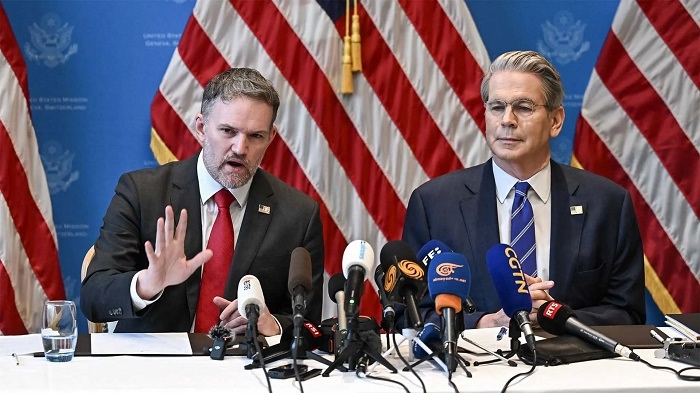
So where do we stand now? Are the tariffs here to stay forever, or will we finally get some relief?
Biden Administration’s Approach
With a new administration in the White House, some expected a reset. But the reality is a bit more complicated. While there’s talk of a more diplomatic approach, many tariffs remain — partly because the underlying issues with China’s trade practices haven’t magically disappeared.
Ongoing Negotiations and Challenges
Trade talks continue, but they’re like trying to untangle a giant knot. Issues like technology transfer, state subsidies, and human rights still linger, making an all-encompassing deal elusive.
The Role of Global Supply Chains
One thing’s for sure: companies are rethinking their supply chains. Some are moving production out of China to other countries — a slow but steady shift that could reshape global trade.
Why It’s More Than Just Tariffs
This whole US-China tariffs trade deal isn’t just about economics. It’s about influence, technology dominance, and geopolitical clout.
China’s rise as a tech superpower has everyone on edge. The US wants to protect its edge, and tariffs became one of many tools in this broader strategic competition.
Wrapping It Up: What Have We Learned?
The US-China tariffs trade deal saga teaches us a few things:
- Trade is never just trade. It’s tangled up with politics, national pride, and long-term strategy.
- Tariffs can hurt everyone. Not just the targeted country, but consumers and businesses worldwide.
- Negotiations are messy. You won’t get neat, perfect solutions overnight.
- Adaptability is key. Businesses and economies that adapt to these shocks fare better.
Are these tariffs just a drop in the bucket or a massive game-changer? Well, it depends who you ask. For big corporations and governments, it’s a chess game with high stakes. For everyday folks, it might just mean a slightly pricier phone or delayed packages.
Either way, it’s a fascinating story of two superpowers trying to find a new balance in a rapidly changing world. And hey, if history teaches us anything, it’s that these trade dramas aren’t going away anytime soon — so buckle up, it’s going to be a bumpy ride.