


As architecture and design continue to evolve, so does the demand for materials that offer both aesthetics and safety. Among these innovations, bullet proof glass windows have become a significant feature in modern buildings—combining high-level protection with sleek, contemporary appeal. Whether in high-risk environments or simply as part of a broader security strategy, bullet-resistant glazing is making its way into both commercial and residential structures.
What Are Bullet Proof Glass Windows?
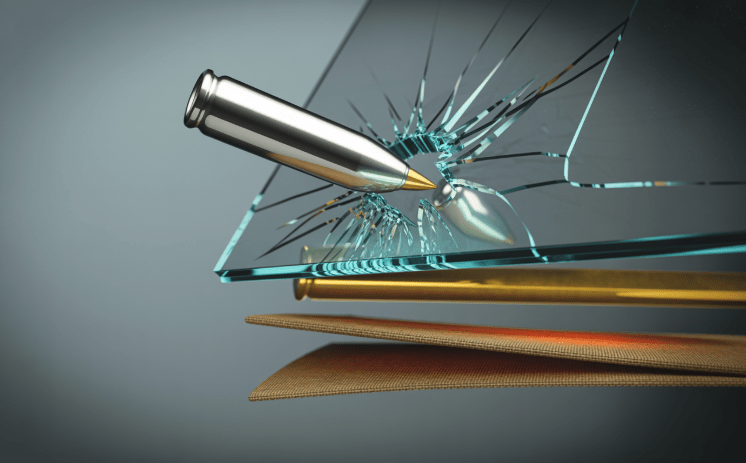
Despite the name, bullet proof glass isn’t actually “proof” against all bullets but is better described as bullet-resistant. These windows are typically made from multiple layers of laminated glass and polycarbonate materials. This combination helps absorb and dissipate the energy of a bullet, reducing the chance of penetration and shattering.
The structure of bullet-resistant glass can vary depending on the required level of protection. For example, lower-rated windows may stop handgun rounds, while higher-rated systems can withstand rifle fire. The key is balancing visibility, thickness, and security.
The Science Behind Bullet Resistance
The effectiveness of these glass windows depends largely on their construction:
- Laminated Glass Layers: These are sheets of glass fused with interlayers, usually made from PVB (polyvinyl butyral) or similar materials.
- Polycarbonate Layers: A strong, flexible plastic that absorbs impact and prevents spalling (glass fragments flying inward).
- Layered Design: These layers are engineered to progressively slow down and stop the projectile.
Different compositions offer different protection levels, classified under standards such as UL 752 or NIJ ratings. These ratings help architects and builders choose the right material for a specific threat level.
Applications in Modern Architecture
Historically associated with military, government, or banking facilities, bullet proof glass windows have seen broader adoption across various industries and even in residential design. Here are some of the most common modern applications:
1. High-Security Commercial Buildings
In city centers or politically sensitive locations, commercial offices often incorporate bullet-resistant windows to protect occupants while maintaining an open, transparent look. Modern frameless designs allow for this added security without compromising on visual appeal.
2. Educational Institutions
With rising safety concerns, schools and universities have started to install bullet-resistant entryways and glass panels. These provide peace of mind for faculty, students, and parents while preserving a welcoming atmosphere.
3. Retail and Hospitality
Luxury retailers and high-end hotels increasingly use bullet-resistant glass to protect merchandise and patrons, especially in storefronts or reception areas where visibility and aesthetics are important.
4. Residential Use
Homeowners in certain areas—especially executives, celebrities, or those living in urban centers—are integrating bullet proof glass windows as part of home security systems. These windows can be custom-made to blend seamlessly with architectural style while offering protection.
How Bullet Proof Glass Aligns with Modern Glass Trends
The push for security in architecture doesn’t have to come at the expense of style. In fact, modern glass trends emphasize minimalism, natural light, and energy efficiency—all of which can coexist with bullet-resistant technology.
1. Seamless Design and Customization
Today’s bullet-resistant glass can be manufactured in various tints, finishes, and sizes. Frameless or low-profile framing options are common, supporting the trend toward sleek, modern aesthetics.
2. Smart Glass Integration
Some designs now integrate bullet-resistant layers with smart glass technologies—such as switchable privacy glass—offering both protection and dynamic functionality.
3. Sustainable Materials
Environmental responsibility is a growing concern in architectural design. Some manufacturers now offer bullet-resistant glass that meets green building standards, utilizing recycled materials and energy-efficient coatings.
4. Multi-Functionality
Modern windows often serve multiple purposes. A single window can now offer bullet resistance, UV protection, thermal insulation, and soundproofing. This aligns well with the trend toward multipurpose design solutions.
5. Considerations for Installation
Installing bullet proof glass windows isn’t as simple as swapping out standard panes. Here are a few considerations for architects and builders:
- Structural Support: These windows are heavier and may require reinforced frames and support systems.
- Permits and Regulations: Depending on location, certain regulations may apply regarding the installation of ballistic materials.
- Cost vs. Need: Bullet-resistant glass can be a significant investment, so a careful risk assessment should be conducted before proceeding.
Final Thoughts
The role of glass in architecture is expanding rapidly, thanks in part to advancements in safety technology. Bullet proof glass windows offer a unique blend of function and form—providing essential protection while keeping pace with modern glass trends in design and sustainability. For those looking to secure their spaces without sacrificing style, this innovation presents a compelling solution.
As the world continues to prioritize both safety and aesthetic innovation, bullet-resistant glazing will likely become an even more common fixture in the urban and residential landscapes of tomorrow.