

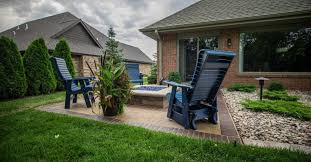
Your backyard is more than just a patch of land behind your house. It’s an extension of your living space, an outdoor sanctuary where you can relax, entertain, and connect with nature. A well-designed outdoor space can significantly improve your quality of life, boost your property value, and even benefit your mental health.
The Value of Outdoor Living
Americans are spending more time at home than ever before. According to the American Time Use Survey, the average American spends about 62% of their waking hours at home. This shift has prompted many homeowners to rethink their living spaces, particularly their outdoor areas.
A study by the National Association of Realtors found that outdoor renovations provide the highest happiness score among all home improvement projects. Specifically, 97% of homeowners report feeling a major sense of accomplishment after completing an outdoor project.
Understanding Your Outdoor Needs
Before diving into any backyard transformation, take time to think about how you want to use your space. Different households have different needs:
Relaxation Zones
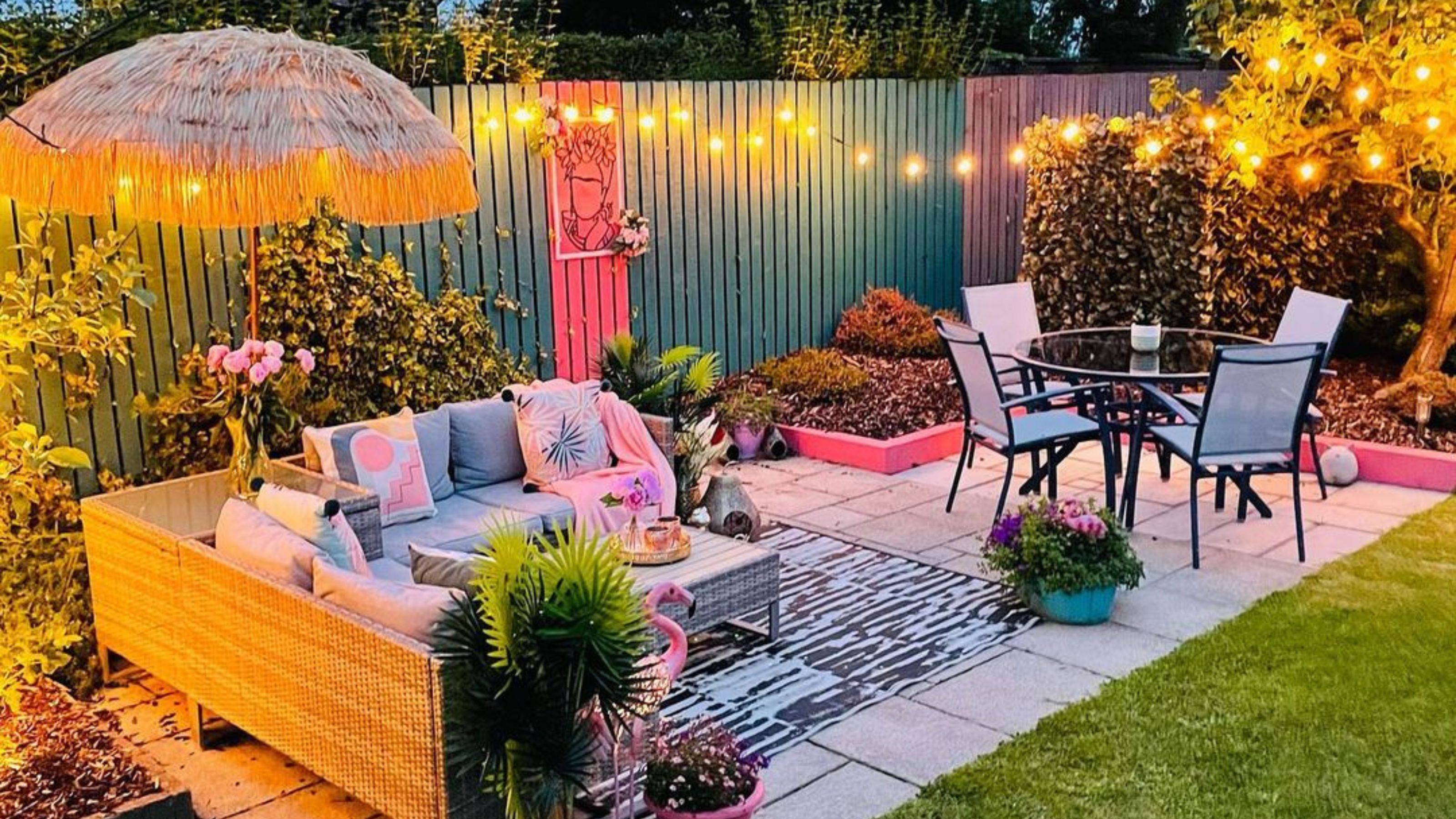
If unwinding is your priority, consider creating dedicated relaxation areas. A hammock nestled between trees, a covered porch with comfortable seating, or a quiet reading nook can provide the perfect escape from daily stress.
Comfortable outdoor furniture has evolved far beyond the plastic chairs of yesteryear. Today’s weather-resistant materials offer the comfort of indoor furniture with the durability needed for outdoor conditions. Look for deep seating with plush cushions, outdoor daybeds, or even hanging chairs that create a sense of escape.
Water features add another dimension of relaxation. The gentle sound of flowing water naturally reduces stress and masks neighborhood noise. Options range from simple tabletop fountains to elaborate ponds with waterfalls.
Entertainment Spaces
For those who love hosting, creating zones for entertaining is essential. An outdoor kitchen extends your entertaining space and keeps the host engaged with guests while preparing food.
Fire features have become increasingly popular as focal points for outdoor gatherings. Fire pits or outdoor fireplaces not only provide warmth on cooler evenings but create a natural gathering spot for conversation. According to the American Society of Landscape Architects, fire pits are among the most requested outdoor design elements, with 66% of homeowners including them in their renovation plans.
Don’t forget about lighting. Strategic outdoor lighting extends the usability of your space into the evening hours while creating ambiance. Solar-powered options have become more efficient and affordable, making them environmentally friendly choices for illuminating pathways, highlighting landscape features, or stringing above gathering areas.
Children’s Play Areas
Families with children benefit from designated play zones that allow kids to burn energy while adults supervise from nearby relaxation areas. Natural play elements like climbing boulders, log balance beams, or sand play areas blend more seamlessly into the landscape than plastic playground equipment.
Experts from the Children & Nature Network report that children who play regularly in natural environments show more advanced motor skills, improved concentration, and reduced symptoms of ADHD compared to those who primarily play indoors.
Edible Gardens
Growing your own food has seen a resurgence in popularity. Beyond the obvious benefit of fresh produce, gardening provides physical activity, stress relief, and a sense of accomplishment.
Raised garden beds make vegetable gardening more accessible by reducing bending and creating optimal growing conditions. For smaller spaces, vertical gardens and container plantings can transform even a tiny patio into a productive growing area.
Herb gardens placed near outdoor cooking areas provide fresh flavors at arm’s reach. Common culinary herbs like basil, rosemary, and mint are also among the easiest plants to grow, making them perfect for beginner gardeners.
Designing for Climate and Region
Your local climate dramatically impacts which design elements will thrive in your outdoor space. Working with plants native to your region reduces maintenance requirements and water consumption while supporting local wildlife.
In hot, dry climates, shade structures become essential for comfort. Pergolas, shade sails, or strategically placed trees can reduce the temperature in seating areas by up to 15 degrees.
In regions with distinct seasons, consider how your space will function year-round. Retractable awnings, outdoor heaters, or windbreaks can extend the usability of outdoor areas beyond the perfect-weather months.
The Mental Health Benefits of Outdoor Spaces
The connection between nature and mental wellbeing is well-documented. Spending time in green spaces reduces cortisol levels (the stress hormone) and improves mood. This makes thoughtfully designed outdoor spaces valuable tools for Depression Therapy and anxiety management.
Research published in the Journal of Environmental Psychology found that just 20 minutes spent in nature significantly lowers stress hormone levels. For those dealing with depression or anxiety, having a private natural retreat just steps from their door can provide accessible mental health support between therapy sessions.
Elements that engage multiple senses enhance this therapeutic effect. Fragrant plants like lavender and jasmine, the sound of rustling ornamental grasses or water features, and varied textures from smooth stones to soft foliage create a fully immersive experience that draws us out of ruminating thoughts.
Sustainability in Outdoor Design
Today’s homeowners increasingly prioritize environmental responsibility in their landscape choices. Sustainable outdoor design focuses on:
Water Conservation
Smart irrigation systems with moisture sensors reduce water waste by watering only when necessary. These systems can cut outdoor water usage by 15-30% according to the EPA’s WaterSense program.
Rain gardens and bioswales manage stormwater runoff by capturing rainfall in planted depressions where it can slowly percolate into the soil rather than flowing into storm drains. These features not only prevent flooding and erosion but create habitat for beneficial insects and birds.
Habitat Creation
Even small yards can support biodiversity. Incorporating native flowering plants attracts pollinators like bees and butterflies, which have faced population declines due to habitat loss.
Layered plantings that include trees, shrubs, and groundcovers mimic natural ecosystems and provide shelter for birds and beneficial insects. According to the National Wildlife Federation, yards with diverse native plantings can support up to 50 times more biodiversity than traditional lawns.
Sustainable Materials
Recycled and locally sourced materials reduce the environmental impact of hardscaping elements. Permeable paving allows water to filter through rather than run off, reducing erosion and replenishing groundwater.
Natural stone, sustainably harvested wood, and composite materials made from recycled content offer environmentally responsible alternatives to conventional concrete.
The Value of Professional landscape design
While DIY projects can be rewarding, professional fort collins landscape design brings expertise in creating cohesive, functional spaces that maximize your property’s potential. Designers bring knowledge of plant combinations, spatial relationships, and technical considerations that most homeowners don’t possess.
A professional can help navigate zoning regulations, identify drainage issues before they become problems, and create designs that mature beautifully over time. They can also guide material selections based on your lifestyle needs, maintenance preferences, and budget.
Making the Most of Small Spaces
Not everyone has a sprawling backyard, but even compact outdoor areas can be transformed into functional, beautiful spaces. Vertical gardening, multi-purpose furniture, and optical illusions like mirrors or perspective plantings can make small spaces feel larger.
Container gardens provide flexibility, allowing you to rearrange your space as needs change or move plants to follow the sun. Dwarf varieties of trees and shrubs deliver the benefits of larger specimens without overwhelming limited square footage.
Low-Maintenance Options for Busy Homeowners
Beautiful outdoor spaces don’t have to demand hours of weekly maintenance. Strategic design choices can reduce upkeep requirements:
Plant Selection
Choosing native plants adapted to your local conditions means less watering, fertilizing, and pest management. Grouping plants with similar water needs (a practice called hydrozoning) further streamlines maintenance.
Perennials that return year after year eliminate annual replanting chores. Ornamental grasses, shrubs, and groundcovers typically require less attention than annual flowers or traditional lawns.
Hardscaping Balance
Thoughtfully placed hardscaping elements like patios, decks, and pathways reduce the total planted area requiring maintenance while creating usable living space. Permeable surfaces like gravel or spaced pavers allow rainfall to percolate but require less care than lawns.
Smart Technology
Automated irrigation systems, robotic lawn mowers, and smart outdoor lighting reduce the time spent on routine maintenance tasks. These technologies continue to become more affordable and user-friendly.
Budget-Friendly Transformation Tips
Creating your ideal outdoor space doesn’t have to break the bank. Consider these approaches for maximizing impact while minimizing expense:
Phased Implementation
Develop a comprehensive master plan but implement it in stages as the budget allows. This approach ensures each element contributes to your long-term vision while spreading the cost over time.
Focus on Structural Elements First
Investing in major hardscaping elements like patios or retaining walls first creates the framework for your outdoor spaces. Plants can be added gradually, starting with larger specimens to establish structure and filling in with smaller plants over subsequent seasons.
DIY Where Appropriate
While some projects require professional expertise, many tasks like planting, mulching, or building simple structures can be DIY projects. Online tutorials and weekend workshops offered by garden centers can help build your skills.
Seasonal Considerations
A truly successful outdoor space provides enjoyment throughout the year. Consider how your space will look and function across seasons:
Spring
Spring-blooming bulbs and shrubs bring welcome color after winter. Rain gardens and proper drainage become particularly valuable during spring downpours.
Summer
Shade becomes essential during hot months. Deciduous trees provide cooling shade in summer while allowing warming sunlight in winter when they drop their leaves.
Fall
Fall foliage extends the garden’s visual interest. Fire features become particularly appealing as temperatures drop. Harvest from edible gardens peaks for many crops.
Winter
Evergreen plants provide structure when deciduous plants are bare. Architectural elements like pergolas, art pieces, or water features maintain visual interest. Wildlife features like bird feeders bring activity to the winter landscape.
Conclusion
Transforming your outdoor space isn’t just about creating a beautiful backdrop, it’s about enhancing how you live. Whether you’re seeking a peaceful retreat, an entertainment hub, or a productive garden, thoughtful design can help your backyard achieve its full potential.
By considering your unique needs, regional climate, and maintenance preferences, you can create an outdoor extension of your home that provides years of enjoyment while potentially increasing your property’s value. And with the documented mental health benefits of spending time in natural settings, your backyard transformation might be one of the most valuable investments you make in your overall well being.
Remember that outdoor spaces evolve over time. Plants grow and mature, needs change, and new possibilities emerge. Embrace this evolution, and don’t be afraid to adapt your space as you discover what brings you the most joy in your outdoor sanctuary.