

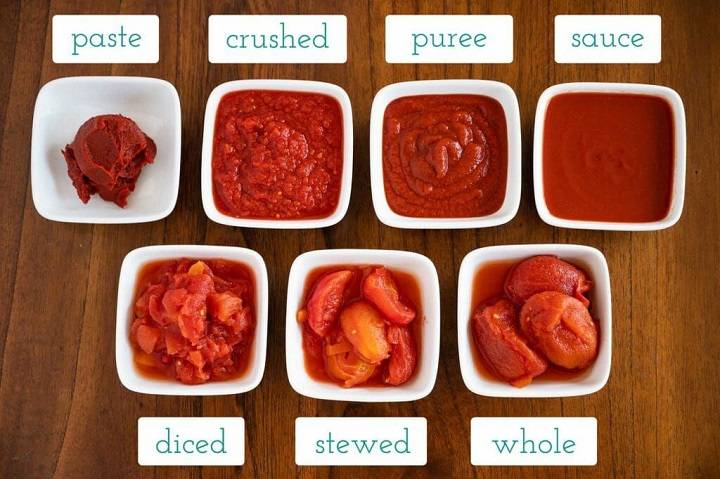
Tomatoes are a staple ingredient in countless recipes around the world, bringing vibrant color, rich flavor, and nutritional benefits to dishes. Among the various tomato-based products, tomato paste and tomato sauce are two commonly used items that often cause confusion due to their similar appearances and uses. However, they serve distinct purposes in cooking and offer unique characteristics that can significantly impact the taste and texture of your culinary creations.
In this comprehensive guide, we’ll delve into the differences between tomato paste and tomato sauce, explore their respective uses in cooking, discuss their nutritional profiles, and offer tips on how to choose the right product for your recipes.
Understanding Tomato Paste
Tomato paste is not only cherished for its culinary versatility but also for its nutritional profile. Rich in vitamins, particularly vitamin C and vitamin K, as well as antioxidants like lycopene, tomato paste offers a healthful addition to various dishes. Lycopene, in particular, has been linked to potential health benefits such as reducing the risk of certain cancers and promoting heart health.
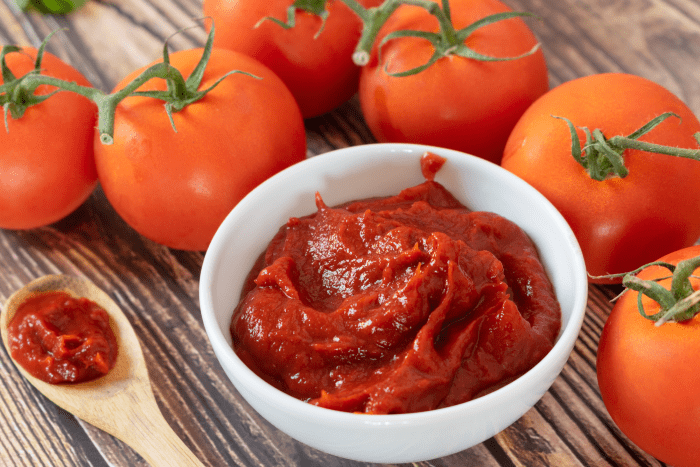
Furthermore, the process of creating tomato paste involves concentrating the natural sugars present in tomatoes, resulting in a slightly sweeter flavor profile compared to fresh tomatoes. This sweetness enhances the depth of flavor in sauces, soups, stews, and other dishes, making tomato paste a staple ingredient in kitchens around the world.
Key Characteristics of Tomato Paste:
- Concentrated Flavor: Tomato paste boasts a deep, concentrated tomato flavor that adds depth and complexity to dishes.
- Thick Texture: With its dense consistency, tomato paste contributes thickness and body to sauces, soups, and stews.
- Versatility: While tomato paste is often used as a base for sauces, it can also be utilized to enhance the flavor of various dishes, including marinades, braises, and even pizza toppings.
- Long Shelf Life: Due to its concentrated nature, tomato paste has a long shelf life when stored properly, making it a convenient pantry staple.
Uses of Tomato Paste in Cooking:
- Sauce Base: Tomato paste serves as the foundation for many pasta sauces, including marinara, Bolognese, and puttanesca.
- Flavor Enhancer: Adding a spoonful of tomato paste to soups, stews, and casseroles boosts their savory profile and enriches the overall taste.
- Marinades and Glazes: Incorporating tomato paste into marinades for meats or vegetables adds depth of flavor and helps caramelize the exterior during cooking.
Understanding Tomato Sauce
Tomato sauce, also commonly referred to as marinara sauce or pasta sauce, is a versatile culinary staple celebrated for its rich flavor and vibrant color. This savory condiment is crafted from ripe tomatoes that undergo a meticulous cooking process to achieve its smooth texture. The tomatoes are typically blanched, peeled, and then simmered to perfection, releasing their natural juices and flavors.
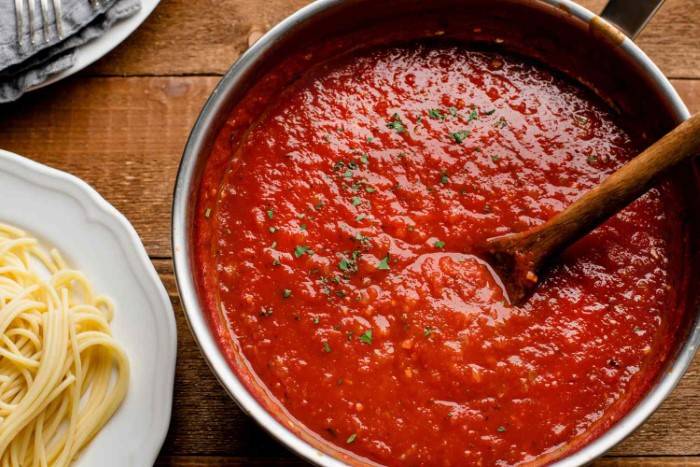
One of the defining characteristics of tomato sauce is its adaptability. While the base consists of cooked tomatoes, various ingredients are often added to enhance its taste profile. Common additions include aromatic herbs such as basil, oregano, and thyme, which infuse the sauce with fragrant notes. Garlic and onions are frequently sautéed and incorporated into the mixture to provide depth and complexity.
Key Characteristics of Tomato Sauce:
- Smooth Consistency: Tomato sauce has a smooth, pourable texture that coats pasta evenly and complements other ingredients in recipes.
- Balanced Flavor: While tomato sauce retains the essence of tomatoes, it is typically seasoned with herbs like basil, oregano, and garlic, resulting in a well-rounded flavor profile.
- Ready-to-Use: Unlike tomato paste, which requires dilution with liquid, tomato sauce is ready to use straight from the bottle or can, making it a convenient option for quick meals.
- Versatility: Tomato sauce is incredibly versatile and can be used as a topping for pasta, pizza, or grilled meats, as well as a base for soups, braises, and simmered dishes.
Uses of Tomato Sauce in Cooking:
- Pasta Dishes: Tomato sauce is a classic accompaniment to pasta dishes, including spaghetti, lasagna, and ravioli.
- Pizza Toppings: Spread tomato sauce over pizza dough as a base before adding toppings for a traditional Margherita or your favorite pizza combination.
- Simmered Dishes: Tomato sauce serves as a flavorful liquid for simmering meats, poultry, or vegetables, infusing them with moisture and taste.
Nutritional Comparison
Both tomato paste and tomato sauce offer nutritional benefits, thanks to their high content of vitamins, minerals, and antioxidants. However, there are some differences to consider:
Tomato Paste:
- Higher concentration of lycopene, a powerful antioxidant associated with numerous health benefits, including reduced risk of certain cancers and heart disease.
- More significant amounts of vitamin C and potassium per serving compared to tomato sauce.
- Due to its concentrated form, tomato paste is more calorie-dense than tomato sauce.
Tomato Sauce:
- Lower concentration of lycopene compared to tomato paste, but still a good source of this antioxidant.
- Typically contains additional ingredients like herbs, spices, and sometimes sugar or salt, which can affect its nutritional profile.
- Generally lower in calories and sodium compared to tomato paste, especially if choosing unsweetened or low-sodium varieties.
Tips for Choosing the Right Product:
- Consider Recipe Requirements: Determine whether your recipe calls for a thick, concentrated tomato flavor (in which case, tomato paste is ideal) or a lighter, pourable consistency (where tomato sauce fits best).
- Check Ingredient Labels: Look for tomato products with minimal additives and preservatives, especially if you’re aiming for a healthier option.
- Experiment with Flavors: Try different varieties of tomato paste and tomato sauce to find the ones that best complement your taste preferences and cooking style.
Related Post:
- Exploring Delicious Alternatives to Pinto Beans: A Comprehensive Guide
- How Many Ounces in a Cup: Understanding Measurements in the Kitchen
- Understanding the Conversion: How Many Grams in a Pound?
In summary, while tomato paste and tomato sauce may appear similar, they serve distinct purposes in cooking and offer unique characteristics that can enhance the flavor and texture of your dishes. Whether you’re seeking a concentrated flavor boost or a versatile, ready-to-use condiment, understanding the differences between these two tomato-based products is key to culinary success. By incorporating tomato paste and tomato sauce into your cooking repertoire, you can elevate your meals with the vibrant taste of ripe tomatoes year-round.