

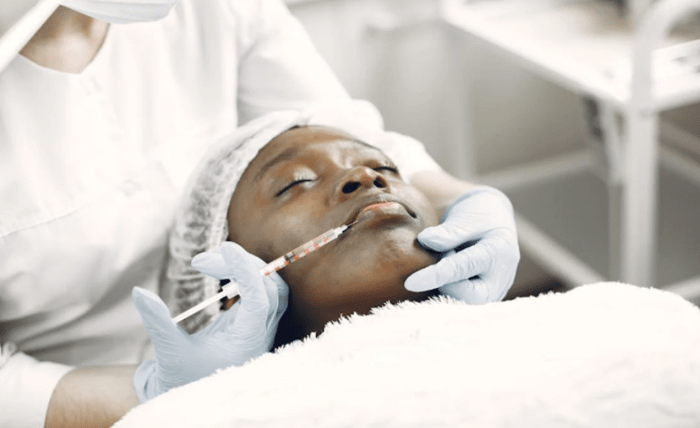
Cosmetic procedures are becoming more and more popular as people seek ways to enhance their appearance. From injectables to surgeries, these treatments are now widely available. However, with this rise in demand comes a dangerous trend: unregulated cosmetic procedures. In a rush to achieve their ideal look without breaking the bank, many people are turning to unlicensed practitioners, unknowingly risking their health and well-being.
Lately, complications from unregulated procedures have been increasing, leaving many individuals with lasting physical and emotional scars. The temptation of affordable cosmetic enhancements often overshadows the potential risks involved. The dangers of choosing cost over quality are real, and understanding them is crucial before making any decisions about your appearance.
Why the Lack of Regulation Is a Growing Problem
In many places, the beauty industry is loosely regulated, especially when it comes to non-invasive treatments like injectables or fillers. While invasive surgeries are more strictly monitored, many cosmetic procedures fall into a gray area where unlicensed individuals can easily slip through the cracks. Without clear laws in place to define who can perform these procedures, unregulated practices thrive.
This lack of legal oversight makes it difficult to ensure that every practitioner follows health and safety guidelines.
High-Risk Cosmetic Procedures: What You Need to Watch Out For
Certain cosmetic procedures are more likely to be performed by unregulated practitioners. For instance, treatments like biopolymer injections are a common target for unlicensed individuals looking to make a quick profit. Patients may believe that since these procedures are non-invasive, they are safe, but the reality is far more dangerous when performed by someone without proper training.
Biopolymer injections are one of the most dangerous unregulated procedures on the market today. These injections, often marketed as a quick and affordable way to enhance body contours, involve injecting silicone or other synthetic substances into the body.
For those who have already undergone biopolymer injections, removal can be a critical step in avoiding further harm. Many individuals who undergo biopolymer injection removal report improved health and reduced discomfort, emphasizing the importance of seeking professional help when dealing with complications from unregulated procedures.
If you too are considering removing these fillers, look up the keyword biopolymers removal on any search engine to find a reliable professional for this job.
The Immediate Health Risks of Cheap Cosmetic Procedures
One of the most alarming aspects of unregulated cosmetic procedures is the immediate threat they pose to a patient’s health. Complications can start as early as during or immediately after the procedure. Infections are one of the most common issues, caused by non-sterile environments and unclean tools. These infections can lead to sepsis, a life-threatening condition if left untreated. Furthermore, many unlicensed practitioners use counterfeit or poor-quality materials, which can cause allergic reactions, swelling, and inflammation. The lack of medical knowledge among these practitioners means they often mismanage these complications, putting patients at greater risk of serious harm.
Another significant danger is incorrect administration of anesthesia. Many unregulated practitioners lack formal training in anesthesia and may use the wrong dose, which can lead to anesthesia toxicity, respiratory issues, or even death in extreme cases. Patients undergoing cheap procedures may not be aware of the life-threatening risks they are taking until it’s too late.
Long-Term Complications: What Happens When Things Go Wrong
While immediate health risks are frightening, the long-term complications can be just as devastating. Botched procedures can lead to permanent physical damage, such as scarring, nerve damage, or disfigurement. These effects are often irreversible and can have a significant impact on a person’s self-esteem and mental well-being.
Beyond the physical consequences, there is the psychological toll that comes with living with a botched procedure. Many people who have undergone unregulated cosmetic treatments suffer from depression, anxiety, and low self-worth. They may avoid social situations, feel ashamed of their appearance, and face ongoing emotional distress. Corrective surgeries are often required to address the damage caused, which not only puts the patient at risk of further complications but also adds to the financial burden, undoing the initial savings from the unregulated procedure.
How to Avoid Becoming a Victim: Tips for Choosing a Safe Provider
The best way to avoid the dangers of unregulated cosmetic procedures is to do thorough research before committing to any treatment. First and foremost, ensure the practitioner is licensed and certified by a recognized medical board. This information should be readily available online, and you can often verify credentials through medical licensing boards.
Ask questions about the practitioner’s experience and success rate, and don’t hesitate to request before-and-after photos of previous patients. You should also inquire about the facility where the procedure will take place. A certified medical professional will work in a clean, sterile environment, not in someone’s home or a non-medical setting.
Lastly, be wary of deals that seem too good to be true. Quality cosmetic procedures come at a cost, and it’s important to prioritize safety and expertise over price. The risks of choosing a cheaper option far outweigh the benefits.
Unregulated cosmetic procedures present a range of hidden dangers, from immediate health risks to long-term physical and emotional trauma. While the appeal of low-cost treatments may be strong, the consequences of opting for an unlicensed practitioner can be devastating. Infections, disfigurement, emotional suffering, and limited legal recourse are just some of the risks that patients face. The best defense is to educate yourself, thoroughly research practitioners, and prioritize safety over affordability. Remember, when it comes to cosmetic procedures, cutting corners could cost you much more in the long run. Seek out qualified, licensed professionals who adhere to medical standards, and protect yourself from the serious risks of unregulated treatments.