

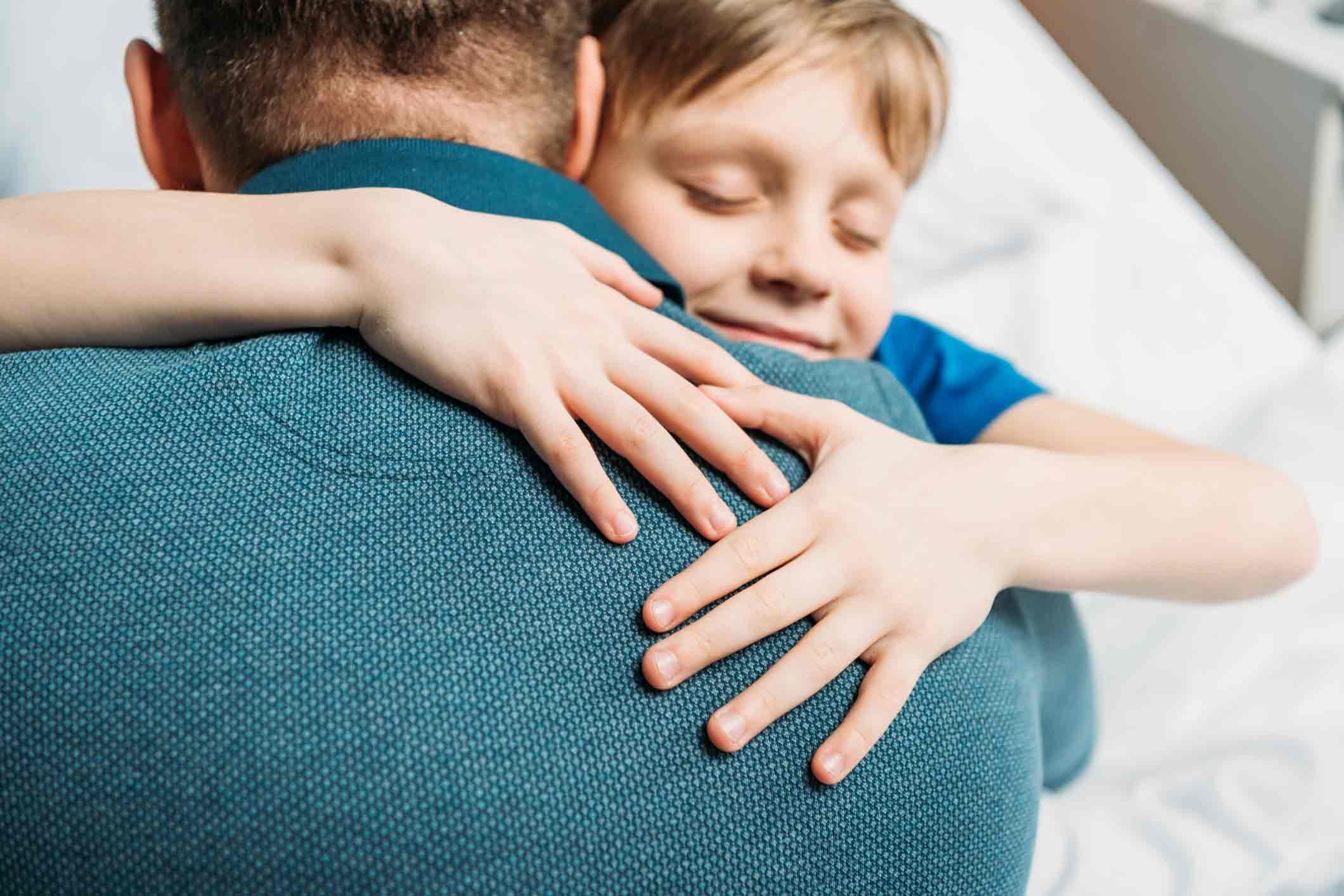
Fatherhood has undergone a significant transformation over the past few decades. Once primarily seen as the breadwinner and disciplinarian, fathers today are much more involved in the emotional and day-to-day upbringing of their children. This shift reflects broader societal changes in gender roles, family dynamics, and the growing recognition of the importance of a father’s involvement in child development. The Tennessee Men’s Clinic highlights the significance of this evolving role, noting that modern fathers are embracing a more engaged and supportive approach, one that prioritises connection, involvement, and emotional presence.
The Traditional Role vs. The Modern Father
Historically, the role of fathers was largely centred around providing financially for the family. They were often the authoritative figures in the home, with limited direct involvement in child-rearing tasks like feeding, bathing, or engaging in emotional support. While many fathers took pride in their role as providers, this limited participation in the nurturing aspects of parenting often created a disconnect between father and child.
However, as gender norms have evolved, so too has the role of fathers. Today’s fathers are more likely to share household responsibilities with their partners, taking an active role in everything from cleaning and cooking to attending parent-teacher meetings and participating in children’s extracurricular activities. This shift not only reflects changing expectations of gender equality but also an increased understanding of the profound influence fathers have on their children’s well-being and development.
The Emotional and Developmental Impact of Fathers
Research has consistently shown that fathers play a crucial role in their children’s emotional and psychological development. A father’s involvement is linked to better academic performance, improved social skills, and enhanced emotional regulation in children. Active father-child relationships are also associated with greater self-esteem and confidence, as well as lower rates of behavioural problems. Fathers provide unique contributions to their children’s lives, including teaching resilience, problem-solving, and the value of healthy relationships.
The modern father is also more attuned to the emotional needs of their children. Where fathers in the past may have been less inclined to express vulnerability or empathy, today’s fathers are more likely to engage in open emotional communication. They recognise the importance of offering comfort, encouragement, and affection, creating a more balanced and supportive environment for their children.
Work-Life Balance and Fatherhood
One of the key challenges modern fathers face is balancing career ambitions with their desire to be present in their children’s lives. As the expectations for active fatherhood have increased, so too has the pressure on men to juggle work and family life. For many fathers, the task of striking a balance between providing for their family financially while also being involved in daily parenting is a significant source of stress.
Employers are increasingly recognising the value of supporting employees in their roles as fathers. Flexible working hours, paid paternity leave, and remote work opportunities are now more common, allowing fathers to spend more time with their children during critical stages of development. This increased flexibility has made it easier for fathers to be present for important milestones, such as the birth of a child, school events, and family outings.
The Importance of Support and Resources
For many fathers, navigating this new role can be both rewarding and challenging. Access to support networks, advice, and resources can help fathers better navigate the complexities of modern fatherhood. Whether through parenting groups, counselling services, or healthcare providers like the Tennessee Men’s Clinic, support systems are essential for fathers who are looking to engage more meaningfully in their children’s lives while maintaining their own well-being.
Final Thoughts
The role of fathers has evolved significantly over the years, with modern fathers becoming more involved, emotionally engaged, and supportive than ever before. This shift has had a positive impact on family dynamics, child development, and the mental health of both fathers and children. As society continues to embrace gender equality and redefine traditional roles, fathers will play an increasingly important part in shaping the future of families, raising the next generation with love, support, and presence.